Why Do We Buy Things What We Don’t Need?

Why Do We Buy Things What We Don’t Need?
Why Do We Buy Things What We Don’t Need?
New research shows mood and self-control shape purchases more than needs or price. Discover how fatigue and marketing cues push impulsive buys and drive overconsumption and how to spot them.
We like to believe we make purchases rationally: we weigh needs, costs, and benefits. But research shows that emotion often beats reason in the marketplace. A meta‐analysis of 231 samples with over 75,000 consumers found that mood states and self‐control mediate strongly whether a person succumbs to impulse buying.
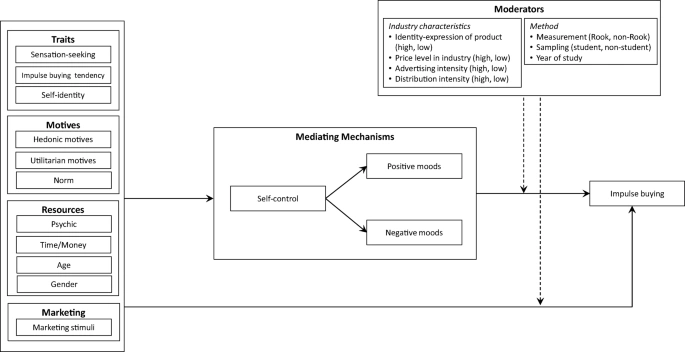
When you’re tired, stressed or anxious, your self‐control is weakened. Suddenly, that item that you told yourself you didn’t want becomes a salve to negative feelings. Some purchases are little rituals of comfort or escape. Behavioural economists call this “affective” decision-making. And once the emotional pull is present, rational objections tend to lose force.
Marketing, Time, and Social Signals
It is never just within us. The world around us is wired to provoke consumption. Here are some of the key external triggers behaviourally proven:
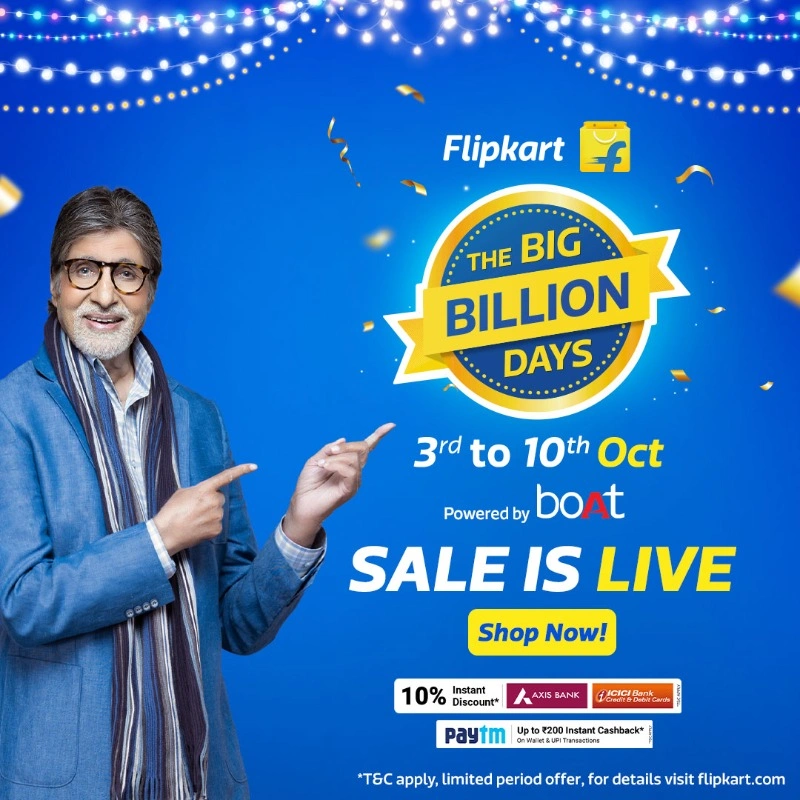
- Marketing stimuli: Bright colours, “limited time offer” claims, countdown timers, and scarcity or exclusivity claims create a sense of urgency. The feeling is: buy now, or forever regret missing out.
- Online environments: Ease of access, ability to compare, delayed payments (“buy now pay later”), constant notifications, endless scrolling all heighten opportunities to buy. Researchers examining online impulse buying among young consumers find that persuasion techniques and self‐control are central in determining how often unnecessary purchases happen.
- Social influences, identity, and status: We are social creatures. What others have, what we think we should appear like, and what trend we follow, all play a role. To buy something is often also to affirm something about who we are, or who we want to be.
Cognitive Biases and Decision Shortcuts
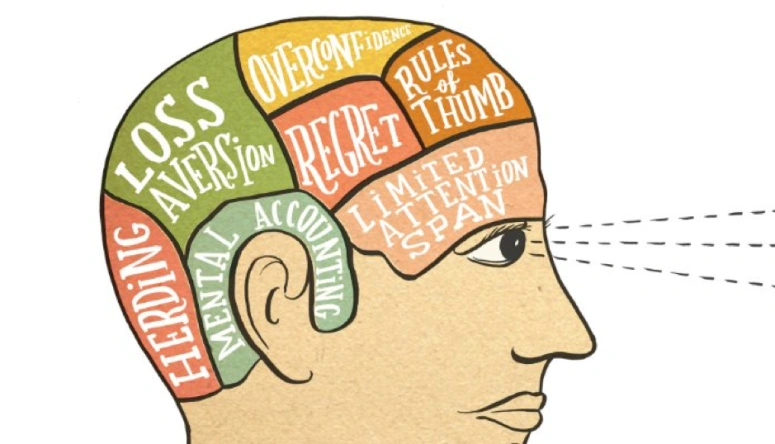
As much as we like to imagine we deliberate, our minds often use shortcuts. These shortcuts are often biased and, in many cases, lead to overspending.
- Present bias: We give stronger weight to immediate rewards over future costs. That dress looks good now; the regret of debt later seems distant.
- Loss aversion: The pain of losing (or missing out) often feels larger than the pleasure of gaining. So “limited time only” or “exclusive stock” works.
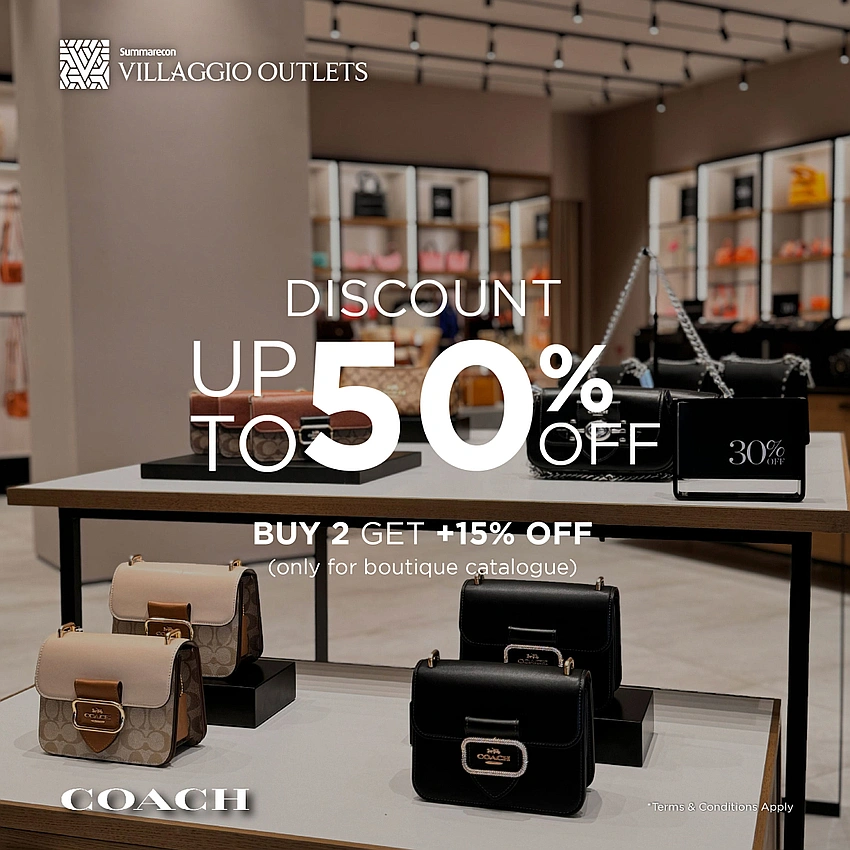
- Anchoring: The first price or reference point we see (e.g. “original price $200, now $120”) anchors what we consider reasonable, making the discounted price feel like a bargain even if $120 is more than you needed to pay.
- Denomination effect: We are more willing to spend if the cost is broken down into smaller parts. Small amounts feel less painful.
- Pain of paying: Paying hurts psychologically. If payment is decoupled (credit card, delayed payment, etc.), the pain is less immediate, so purchases feel easier.
Identity, Aspiration, and the “More” Narrative
Literature teaches us that identity is not fixed. We narrate ourselves in stories: who we were, who we are, who we want to become. Purchases often act as props in that story: a certain gadget, piece of clothing, or décor item signals a version of ourselves we aspire to.
Even if we don’t need a new watch, it feels like an emblem of success. Even if our home is full, a single stylish chair might whisper: “You are refined, you have taste.” These are narrative investments. They may not be practical, but they are emotionally and socially palpable.
The Cost Is More Than Money
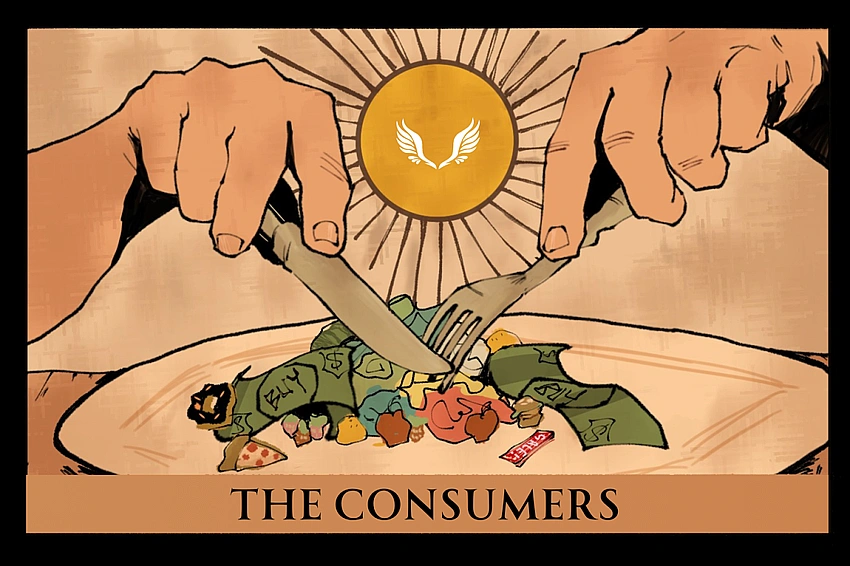
Part of the tragedy (and fascination) of buying things we do not need is that the cost is not only financial. There are opportunity costs: time spent shopping, deciding, organising, cleaning, and storing. Cognitive costs: guilt, regret, wondering what one could have done instead. Environmental costs also loom large in current discourse: consuming more means more waste, more energy, more extraction of resources.
Behavioural economics invites us to widen our view of “cost” beyond the price tag. Because often what we lose is not obvious till after we buy.
What Can We Do?
Since knowing is half the battle, here are some ideas (from both studies and my own experimentation) for resisting superfluous consumption:
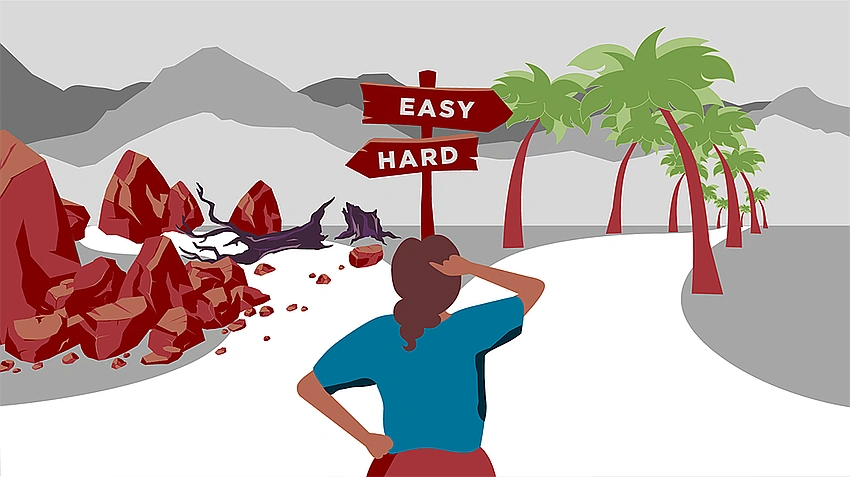
- Introduce friction: Just make it slightly harder to buy. Wait 24 hours before purchase, remove saved payment info, and turn off push notifications. These delays allow emotions to cool and rational thought to reassert itself.
- Increase transparency of the pain of paying: Use cash more often, or track spending visually so you see what you lose.
- Reflect on identity: Ask whether the purchase aligns with how you genuinely want to see yourself, or is just a reactive impulse.
- Create “cooling off” routines: A ritual like walking away, having a tea, writing down reasons for and against.
At the end of the day, I think we buy what we do not need because consumption is woven into our stories: of ourselves, of society, of success. Behavioural economics does not provide an excuse for unnecessary buying, but it illuminates how complex, how emotional, how socially tuned our decisions are. It is not only about goods; each buy is a small story told, a moment’s consolation, a claim to a version of who we believe ourselves to be.
Understanding that helps us decide not merely what to buy, but why to buy. And sometimes, knowing the why is enough to decide not to buy.
#ImpulseBuying #ConsumerBehavior #AffectiveDecisionMaking #MarketingPsychology #EmotionalShopping #Affect #Overconsumption
