Mark Tully, BBC's 'Voice of India', dies at 90

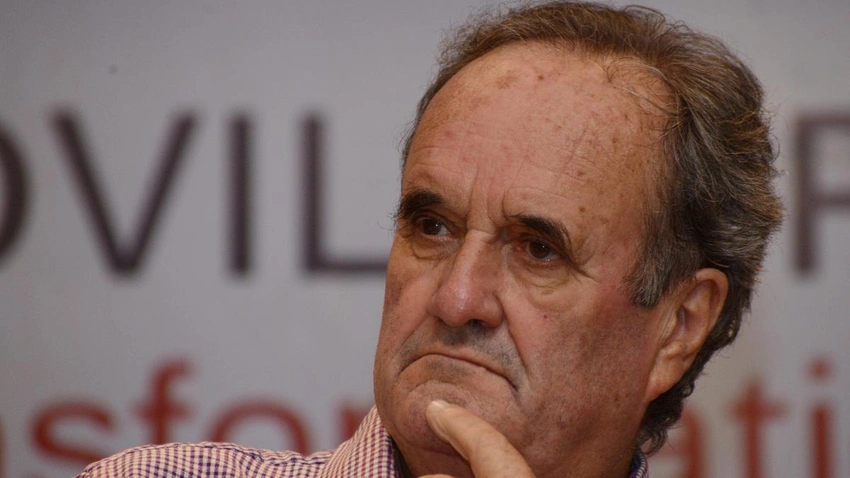
Mark Tully, BBC's 'Voice of India', dies at 90
Renowned BBC journalist Mark Tully, known for his calm, clear reporting from India, dies at 90 in Delhi, leaving a legacy that shaped how the world understood the subcontinent.
Veteran broadcaster Mark Tully, long hailed as the BBC's 'voice of India', died at 90 in Delhi on Sunday. Over decades, his calm, distinctive narration guided audiences through India's most turbulent chapters—from wars to famines, elections to upheavals. Born in 1935 in Calcutta, he developed a deep fluency in Hindi and a talent for translating complex events into clear, contextual storytelling that resonated with viewers and readers across borders.
Among his defining assignments were the Bhopal gas disaster in 1984, one of India's worst industrial catastrophes, and the Indian army's assault on the Golden Temple in Amritsar in 1984. His reporting was marked by balance, patience, and a willingness to listen to voices on all sides. He reported from Amritsar, Ayodhya, and other focal points, earning a reputation for careful analysis rather than sensationalism. His work helped shape public understanding of India's evolving democracy during critical decades.
In 1992, during the Ayodhya mosque demolition, he faced threats from Hindu extremists who shouted 'Death to Mark Tully' and even locked him in a room until a local official and a priest intervened. He later described the event as a gravest setback to secularism since independence in 1947, a reminder of the risks journalists face when covering communal tension.
His contributions earned him top civilian honors in India, including the Padma Shri and the Padma Bhushan, and Britain knighted him in 2002 for services to broadcasting and journalism. He was widely respected for his insistence on accuracy, his humility, and his ability to explain complexity with clarity.
Friends and colleagues recall his approachable manner and his role as a mentor to younger reporters. His death marks the end of an era for Indian journalism and for the BBC's presence in the subcontinent. Yet his legacy lives on in the many voices he helped shape and the standards of fairness and balance he championed.
