Washington’s AI Era Just Ended: Who Really Runs the Future Now?

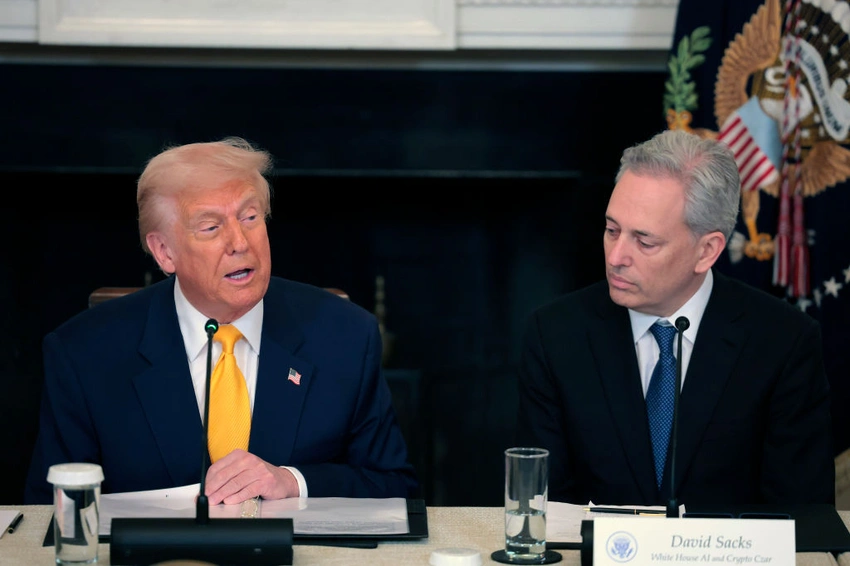
Washington’s AI Era Just Ended: Who Really Runs the Future Now?
The AI czar is officially out. As tech policy leadership shifts away from D.C., we explore who will step into the power vacuum and what it means for the future of innovation.
The Great Tech Migration: D.C. Loses Its Grip on AI
The departure of high profile figures from the center of political power marks a turning point in the short history of artificial intelligence policy. When an AI czar steps down and moves further from the halls of Washington, the vacuum left behind isn't just a personnel gap. It represents a fundamental shift in where the rules of our future are written.
The Decentralization of Power
For a brief window, it seemed like the federal government was ready to exert its influence over the rapidly evolving world of neural networks and large language models. However, as leadership roles change and key advisors return to private life, that influence is starting to wane. We are seeing a move away from centralized regulation toward something far more fragmented.
Where does the power go next?
- Silicon Valley Boards: Decisions on safety and deployment will likely return to the same boardrooms that funded the initial boom.
- The Open Source Community: Without a strong federal hand, independent developers might set the pace for innovation.
- State Level Legislation: We can expect places like California to fill the void with their own set of rules.
A Return to the Wild West?
There is a certain irony in tech leaders entering government only to exit shortly after. It suggests that the slow, methodical pace of D.C. policy might be incompatible with the move fast and break things mentality of the tech sector.
But we should be careful what we wish for. While fewer bureaucratic hurdles might accelerate the release of new tools, it also leaves us without a unified vision for safety. When policy leadership shifts away from a public forum and back into private hands, the public loses its seat at the table.
Who Fills the Void?
The real winners in this transition are likely the venture capitalists and tech founders who prefer self regulation. They are now in a position to define the ethical boundaries of AI without constant federal oversight.
We are witnessing the end of an era of centralized AI governance. Whether this leads to a new golden age of innovation or a chaotic race to the bottom remains to be seen. One thing is certain: the future of AI is no longer being decided in Washington.
