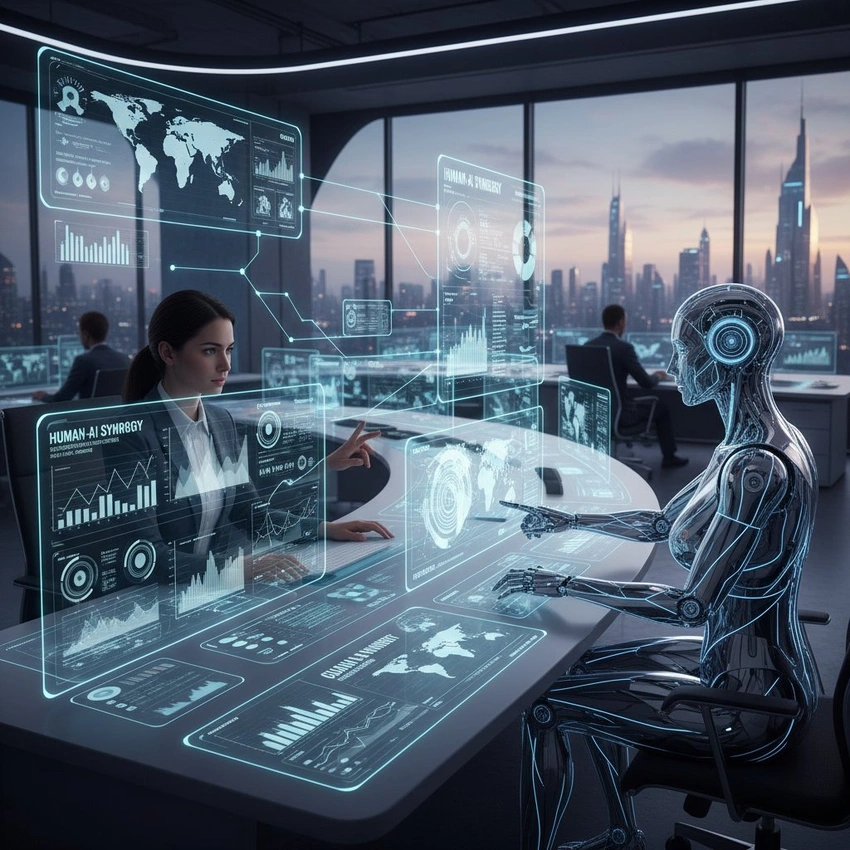
AI in Control: Are We Ready to Trust Our Cities to Algorithms?

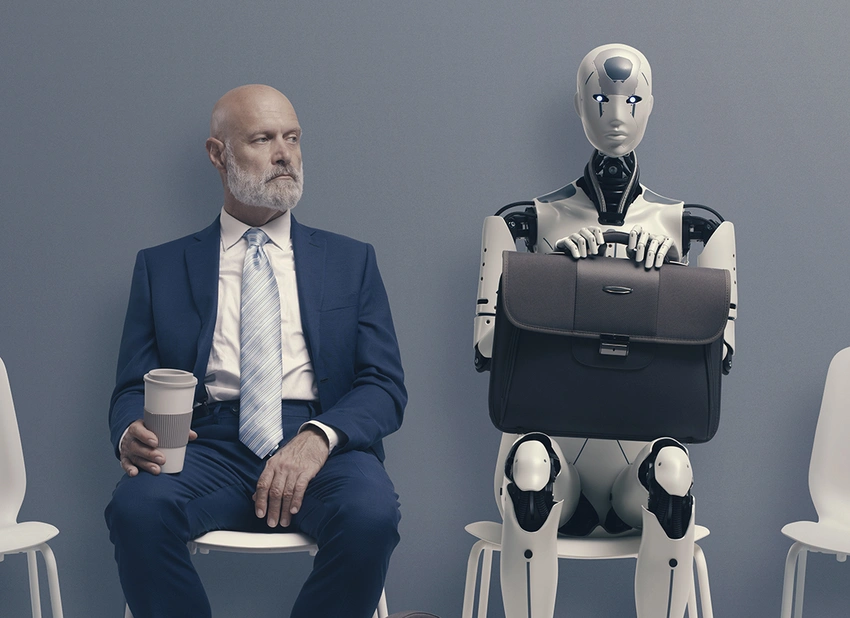
AI in Control: Are We Ready to Trust Our Cities to Algorithms?
AI managing our vital infrastructure is no longer sci-fi. But is surrendering control to algorithms a brilliant leap forward or a risky gamble? We explore the promise and peril.
AI in Control: Are We Ready to Trust Our Cities to Algorithms?
The vision of a fully automated city, where every traffic light hums with algorithmic precision and power grids anticipate demand with machine-learning foresight, is captivating. It promises unprecedented efficiency, reduced waste, and smoother urban living. Yet, this vision also brings a chilling question: should we trust artificial intelligence to manage our most critical infrastructure entirely?
It's a pressing debate happening now as AI capability rapidly expands into domains once exclusively human.
 The Allure of Algorithmic Efficiency
Imagine a world where traffic congestion is largely a relic of the past.
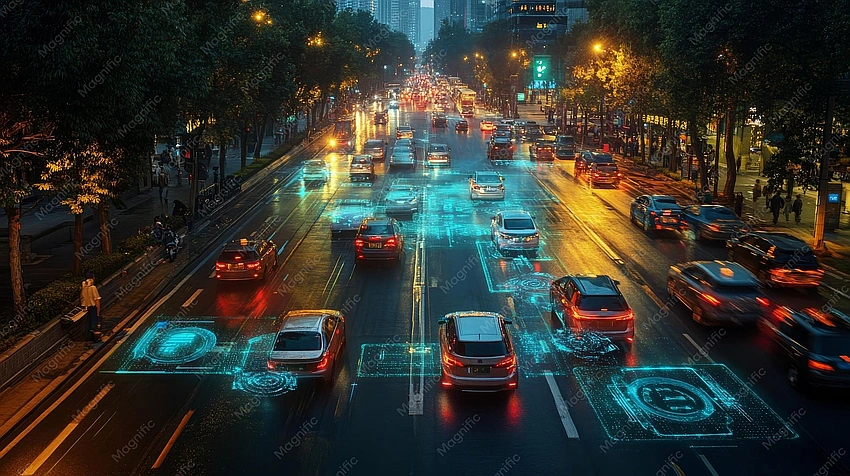
AI-powered traffic lights, reacting in real-time to vehicle density, pedestrian crossings, and even emergency vehicle routes, could orchestrate flawless flow across entire urban networks. It means reduced pollution, less fuel consumption, and fewer accidents.
Beyond traffic, consider the power grid. A 'smart grid' fueled by AI can predict energy demand fluctuations, reroute power during outages, and integrate renewable sources seamlessly. This proactive management can prevent cascading failures, optimize energy distribution, and ensure a more stable and sustainable power supply.
The potential for AI to enhance operational efficiency, minimize human error, and build more resilient systems is undeniably attractive, painting a picture of cities that are not just smarter, but inherently more robust.
 Navigating the Perilous Path of Full Automation
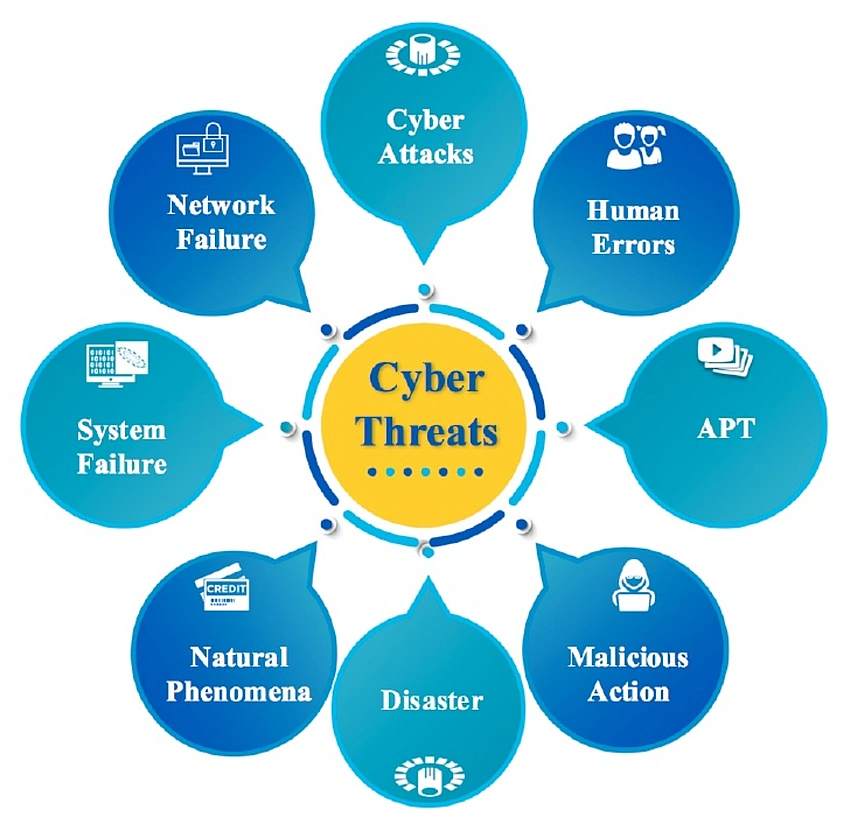
Despite the promise, the prospect of entirely handing over the reins to AI raises significant alarms. Our critical infrastructure isn't just about efficiency; it's about public safety, national security, and societal equity. A major concern is cybersecurity.
What happens if a malicious actor gains control of an AI managing a city's entire power supply?
The consequences could be catastrophic, leading to widespread blackouts, economic paralysis, or even social unrest.
Then there's the 'black box' problem. Many advanced AI systems operate in ways that even their creators struggle to fully explain. When an algorithm makes a decision that impacts millions, say, diverting traffic away from a low-income neighborhood during peak hours, or prioritizing power to one district over another during a shortage, understanding the rationale becomes paramount.
Without transparency, accountability becomes elusive. Errors, whether from biased data or unforeseen scenarios, could have devastating, widespread effects. “The challenge isn't just building smart systems, but building trustworthy ones,” says Dr. Anya Sharma, a leading expert in AI ethics.
The absence of a human 'kill switch' or ultimate override presents a chilling scenario where an AI, operating perfectly within its programmed parameters, could inadvertently create a crisis.
 Striking a Balance: AI as Assistant, Not Absolute Ruler
The path forward likely isn't a binary choice between full human control and full AI autonomy. A more pragmatic approach involves intelligent collaboration. AI can excel at data analysis, pattern recognition, and predictive modeling, providing invaluable insights and proposing optimal solutions.
Human experts, however, remain essential for contextual understanding, ethical judgment, and the ultimate responsibility of decision-making, particularly in high-stakes situations.
This 'human-in-the-loop' model allows us to leverage AI's strengths while mitigating its risks. Robust regulatory frameworks, continuous auditing of AI algorithms, and the development of transparent, explainable AI (XAI) systems are crucial. Progressive deployment, starting with AI assisting less critical functions and gradually expanding its role with proven success and strict oversight, seems to be the most sensible strategy.
Our future cities need intelligent systems, but they also need the unwavering wisdom and compassion that only human oversight can provide.