Indian-flagged LPG ships cross Hormuz, easing India's fuel flow

Indian-flagged LPG ships cross Hormuz, easing India's fuel flow
Two LPG carriers cross the Hormuz Strait and head to Indian ports, with arrivals expected March 26-28, as India notes resumed energy routes amid regional tensions.
Two Indian-flagged LPG carriers, Jag Vasant and Pine Gas, have transited the Strait of Hormuz this evening, carrying 92,612.59 MT of LPG and sailing toward India. They are destined for Indian ports and are likely to reach between March 26 and 28, 2026, with 33 and 27 Indian seafarers on board, respectively. These movements come as the corridor reopens after heightened tensions in the Gulf, with many vessels previously held up around the strait. The ministry said the two ships were among a group of 22 Indian-flagged vessels that had been stranded or delayed in the Persian Gulf during the disruption, and that passage has been gradually resuming from both sides.
Earlier this week, LPG carriers Shivalik and Nanda Devi, carrying about 92,712 tonnes of LPG—roughly a day’s cooking gas consumption for India—reached Indian shores, with Shivalik arriving at Mundra in Gujarat on March 16 and Nanda Devi at Kandla a day later. Two additional LPG carriers had departed on March 13 and crossed the strait early on March 14, underscoring a gradual return to normal energy shipments alongside continuing oil cargoes.
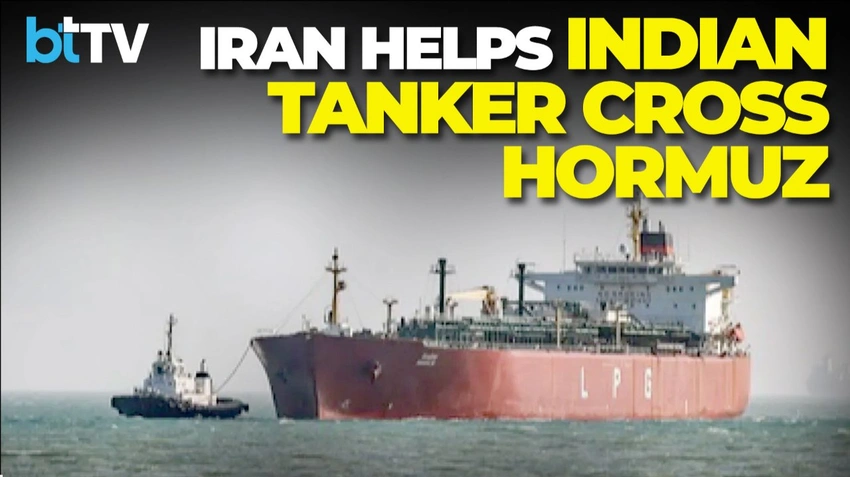
In a related development, reports indicate that an Indian-flagged tanker was guided through the volatile corridor with support from the Iranian Navy, illustrating the complex diplomacy and security coordination involved in keeping critical energy routes open as global energy routes face continued pressure. Separate movements have shown that India’s energy shipments—especially LPG—continue to reach its coastline despite the geopolitical frictions in West Asia.
The fleet movements, including Jag Laadki, an Indian-flagged tanker that carried crude oil from the UAE to Mundra, and Jag Prakash, transporting gasoline from Oman toward Africa, highlight the ongoing activity in the region and India’s emphasis on securing reliable routes for essential fuel supplies as tensions persist in the broader Gulf region.
