Diesel Protein Powder Canada: The Ultimate Review for Muscle Recovery

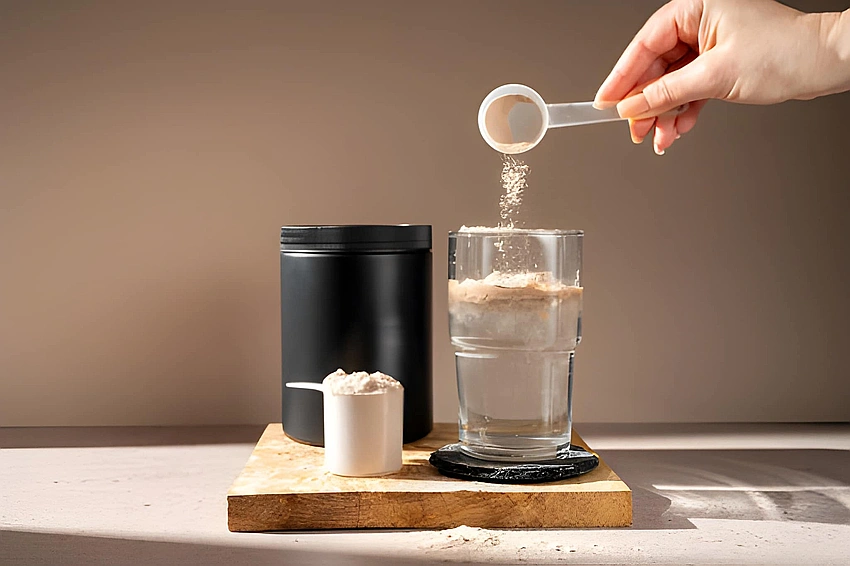
Diesel Protein Powder Canada: The Ultimate Review for Muscle Recovery
Walk into almost any Canadian supplement shop and you’ll see it: Diesel protein powder Canada 🔗 front and center, marketed as one of the cleanest whey isolates on the market. If you’re serious about muscle recovery, fat loss, or simply hitting your daily protein target without fillers and heavy sugar, Diesel has probably caught your eye.
In this in-depth review, you’ll learn exactly what’s in Diesel, how it supports muscle repair, who it’s best for, how it compares to options like vegan protein bars, and why recovery is about more than just protein. We’ll also touch on complementary products like vitamin A E cream for skin recovery and mention where brands like Vitasave fit in the Canadian supplement landscape.
What Is Diesel Protein Powder?
Diesel is a whey protein isolate brand from PERFECT Sports, widely available across diesel protein powder Canada retailers both online and in-store. It’s positioned as a premium, ultra-clean protein powder made from 100% New Zealand whey isolate.
Key characteristics include:
- Sourced from grass-fed, pasture-raised New Zealand dairy.
- Processed into a high-purity whey isolate with minimal lactose, carbs, and fats.
- Sweetened with stevia, with no artificial colours or flavours in current Canadian formulations.
For lifters, athletes, and busy professionals, Diesel aims to deliver fast-digesting protein with as few “extras” as possible.
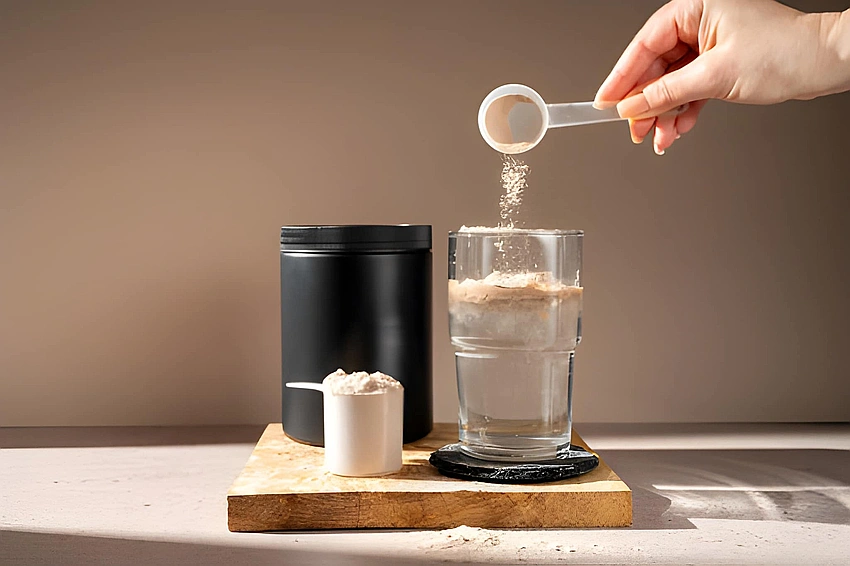
Ingredient Profile: What’s Actually in Diesel?
Looking at the Canadian product label gives a clear picture of why Diesel has a “clean” reputation.
Typical formula per scoop (varies slightly by flavour):
- Around 26–27 g of protein from 100% New Zealand whey protein isolate.
- 0 g total fat in most flavours, with some variants listing trace amounts.
- 0 g total carbohydrates or near-zero, depending on flavour.
- Low sodium (about 40–170 mg depending on flavour).
Common ingredients across flavours include:
- New Zealand whey protein isolate as the sole protein source.
- Natural flavours.
- Sunflower oil (for texture in some flavours).
- Cellulose gum (thickener).
- Stevia extract for sweetness.
- Natural colours like beetroot, cocoa, turmeric, or beta-carotene depending on flavour.
Diesel is:
- Gluten-free and peanut-free.
- Made in Canada with New Zealand dairy.
- Third-party tested for WADA banned substances according to PERFECT Sports.
For those with allergies, it contains milk and may be processed in facilities that also handle sesame and soy.
Why New Zealand Whey Matters
A big part of the marketing for diesel protein powder Canada is the New Zealand whey story—and there’s some substance behind it.
New Zealand dairy is known for:
- Grass-fed, pasture-raised cows for most of the year due to mild climate and fertile grazing conditions.
- Strict agricultural standards that limit the use of growth hormones.
PERFECT Sports emphasizes that their Diesel whey is:
- Sourced from New Zealand grass-fed cows (NZMP dairy).
- Processed using low-temperature micro-filtration to keep the protein fractions “undenatured,” which helps preserve bioactive peptides that may support immunity and muscle recovery.
While “undenatured” is sometimes used loosely in marketing, lower-heat processing is generally considered beneficial for preserving protein quality.
Muscle Recovery: How Diesel Supports Gains
Fast Digestion and High Leucine Content
Whey isolate is one of the fastest-digesting protein sources available, quickly delivering amino acids into the bloodstream. Diesel’s 26–27 g of protein per serving provides a robust dose of essential amino acids and around 2.5–3 g of leucine, the key trigger for muscle protein synthesis.
Post-workout, this rapid influx of amino acids helps:
- Repair micro-tears from resistance training.
- Stimulate muscle protein synthesis for growth and strength gains.
- Reduce muscle soreness when combined with adequate rest and overall nutrition.
Low Fat, Low Carb: Ideal for Cutting or Sensitive Stomachs
Because Diesel is ultra-low in fats and carbs, it:
- Fits easily into calorie-restricted or low-carb diets.
- Minimizes lactose content, making it more tolerable for people with mild lactose sensitivity compared to whey concentrates.
For those who experience bloating with standard whey blends, Diesel’s isolate base can feel noticeably lighter.
Taste, Mixability, and Real-World Experience
Flavour Range
Diesel comes in a range of flavours—chocolate, vanilla, strawberry, and more creative options—each using natural flavours and stevia for sweetness.
Users commonly report:
- A sweet but not overwhelmingly sugary taste (stevia does have a signature note some people notice).
- Smooth texture when mixed with water or milk.
- Good mixability with minimal clumping when shaken vigorously.
A typical serving is around 30 g of powder, yielding 26–27 g of protein—meaning the vast majority of the scoop is pure protein.
Comparing Diesel to Other Recovery Options
Diesel vs. Generic Whey Concentrate
Standard whey concentrates:
- Usually contain more lactose, carbs, and fats.
- Can cause bloating or digestive discomfort in sensitive people.
Diesel’s isolate-only formula offers:
- Higher protein per scoop.
- Lower lactose (with claims of up to 99% lactose removed).
- Cleaner macros for those tracking calories closely.
For many, this justifies the slightly higher price per serving.
Diesel vs. Vegan Protein Bars
While they’re not directly comparable, vegan protein bars often fill a similar “convenience recovery” role. Many top-rated vegan bars deliver 10–20 g of plant-based protein alongside fiber and carbs.
Key differences:
- Diesel is a dairy-based whey isolate—excellent amino acid profile, fast absorption, but not suitable for vegans or those with dairy allergies.
- Popular vegan protein bars use pea, rice, or other plant proteins, are suitable for vegans and those avoiding dairy, and often include more fiber.
- Bars are more of a snack or mini-meal, while Diesel is a focused protein delivery tool.
In a well-rounded regimen, many athletes use Diesel post-workout and keep vegan protein bars on hand for plant-based snacks or travel-friendly options.
Where Recovery Meets Overall Wellness
Muscle recovery isn’t just about protein. A smart routine often includes:
- Solid sleep hygiene.
- Hydration and electrolytes.
- Micronutrient support (e.g., magnesium, vitamin D).
Even skincare can come into play for active people. Products like vitamin A E cream 🔗 are popular among athletes and outdoor enthusiasts to support skin health, as vitamin A supports cellular turnover and vitamin E offers antioxidant protection and moisturization.
While vitamin A E cream doesn’t directly impact muscle repair, it can help keep skin barrier function healthy—useful if you’re training outdoors, sweating heavily, or dealing with friction and irritation from equipment.
Who Is Diesel Protein Powder Best For?
You may be an excellent candidate for diesel protein powder Canada if you:
- Want a high-purity whey isolate with minimal carbs, fats, and lactose.
- Track macros closely for cutting, recomp, or competition prep.
- Prefer products with no artificial colours or flavours and stevia sweetening.
- Need fast-digesting post-workout protein but tolerate dairy.
On the other hand, Diesel might not be ideal if you:
- Are vegan or strictly dairy-free (consider vegan protein bars or plant-based protein powders instead).
- Dislike the taste of stevia or are sensitive to its aftertaste.
- Prefer a thicker, creamier shake with more carbs and fats (for bulking, a whey blend or adding oats/nut butters might suit you better).
Pros and Cons of Diesel Protein Powder Canada
Pros
- High protein per scoop (26–27 g) with minimal fillers.
- 100% New Zealand whey isolate from grass-fed cows.
- Very low lactose, carbs, and fats—great for lean diets and digestion.
- No artificial colours or flavours in current Canadian formulas.
- Made in Canada and third-party tested for banned substances.
Cons
- Higher price per serving than basic whey concentrates.
- Contains dairy, so not suitable for vegans or those with milk allergies.
- Stevia sweetness isn’t for everyone.
- Still a processed supplement—whole food protein sources should remain the base of your diet.
Frequently Asked Questions (FAQs)
1. Is Diesel good for lactose-intolerant people? Diesel is a whey isolate with almost all lactose removed—up to 99%, according to manufacturer information. Many lactose-sensitive people tolerate it well, but those with severe lactose intolerance or milk allergies should proceed cautiously and consult a healthcare provider.
2. Can I use Diesel for weight loss? Yes, if integrated into a calorie-controlled diet. Its high protein and near-zero carbs/fats make it easy to fit into low-calorie or low-carb plans. However, weight loss still depends on overall energy balance and lifestyle.
3. How many scoops per day are safe? Most people do well with 1–2 scoops per day, depending on body size, activity, and other protein sources. Aim for total daily protein around 1.6–2.2 g/kg of body weight if your goal is muscle gain, and adjust from there with guidance from a nutrition professional.
4. How does Diesel compare to plant-based proteins and vegan protein bars? Diesel offers faster digestion and a complete amino acid profile typical of whey, making it extremely effective post-workout. Plant-based powders and vegan protein bars are better for those avoiding animal products and can offer extra fiber and micronutrients. Many athletes use both across different contexts.
5. When should I take Diesel for best muscle recovery? The most common times are:
- Post-workout (within 1–2 hours) to support recovery.
- As a protein-rich snack between meals.
- Occasionally before bed if your overall protein intake is low, though a slower-digesting source like casein or a whole-food meal is more traditional for nighttime.
6. Can I stack Diesel with other supplements like vitamin A E cream or magnesium? Yes—since vitamin A E cream is topical, it doesn’t conflict with protein intake. Magnesium (including specialty forms like magnesium taurate) can support muscle function and relaxation, but as always, discuss combinations with your healthcare provider if you have medical conditions or take medications.
Real-Life Example: Diesel in a Canadian Training Routine
Meet Alex, a 29-year-old recreational lifter from Toronto. He trains four times per week after work and found himself feeling heavy and bloated using a cheaper whey blend. After switching to diesel protein powder Canada—one scoop in water post-workout and occasionally another scoop in a smoothie on rest days—he noticed:
- Less post-shake bloating and gas.
- Easier macro tracking during a cut thanks to Diesel’s ultra-lean profile.
- Slightly improved recovery when combined with better sleep and nutrition.
On weekends when he’s on the go, Alex keeps vegan protein bars in his bag so he has a dairy-free, fiber-rich snack option, especially on days when his digestion feels more sensitive. At night, he uses vitamin A E cream to support skin health after sun exposure from outdoor training.
Diesel isn’t the sole hero of his gains, but it plays a clean, reliable role in his overall routine.
Final Verdict: Is Diesel Protein Powder Worth It?
If you’re in Canada and looking for a high-quality whey isolate with strong credentials—grass-fed New Zealand dairy, very low lactose, no artificial colours or flavours, and robust third-party testing—diesel protein powder Canada earns its place on the shortlist.
It’s ideal for:
- Post-workout recovery.
- Lean mass phases and cutting cycles.
- People who want minimal ingredients and maximum protein.
Just remember: protein powder is a tool, not a magic solution. Whole foods, good sleep, hydration, and supportive extras—from smart snacks like vegan protein bars 🔗 to topical recovery aids such as vitamin A E cream—all contribute to a complete performance and wellness strategy. Many Canadian retailers, including multi-brand stores like Vitasave 🔗, carry Diesel alongside complementary health products so you can build a full-stack routine under one roof.
