Gas Prices Pinch Americans as Iran War Pressure Lingers

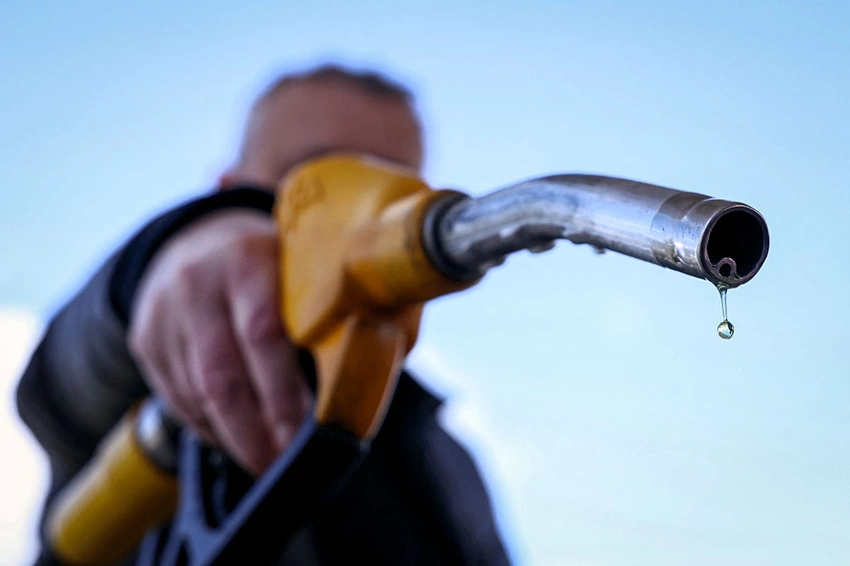
Gas Prices Pinch Americans as Iran War Pressure Lingers
Rising fuel costs reshape budgets across the U.S. Hear drivers and economists weigh in on how higher gas prices are affecting wallets and the broader economy.
A new wave of higher gas prices is reshaping how American households plan their budgets as the Iran-related conflict pushes up crude prices. In the past two months, Americans spent about $24 billion more on gasoline than they did before the conflict, according to new figures. For many families that means tighter wallets and tougher choices on everyday trips.
Oil prices have swung and analysts warn the worst may still be ahead if wholesale costs stay elevated. The volatility in energy markets is feeding uncertainty about when pump prices will ease, complicating plans for summer travel and daily commuting.
What are Americans doing in response? Many drivers are dialing back nonessential trips, carpooling, consolidating errands, and shopping around to snag discounts at the pump. Some households are cutting back on discretionary spending to keep essentials in balance as fuel costs take a larger bite out monthly budgets.
Policy makers and energy watchers say relief could come if supply lines stabilize, diplomacy eases tension, or new energy policies shift the market. Until then, the common refrain is: plan ahead, compare prices, and expect fuel costs to remain a factor in household finances.
