SZA vs. The Algorithms: Is AI Erasing the Soul of Black Music?

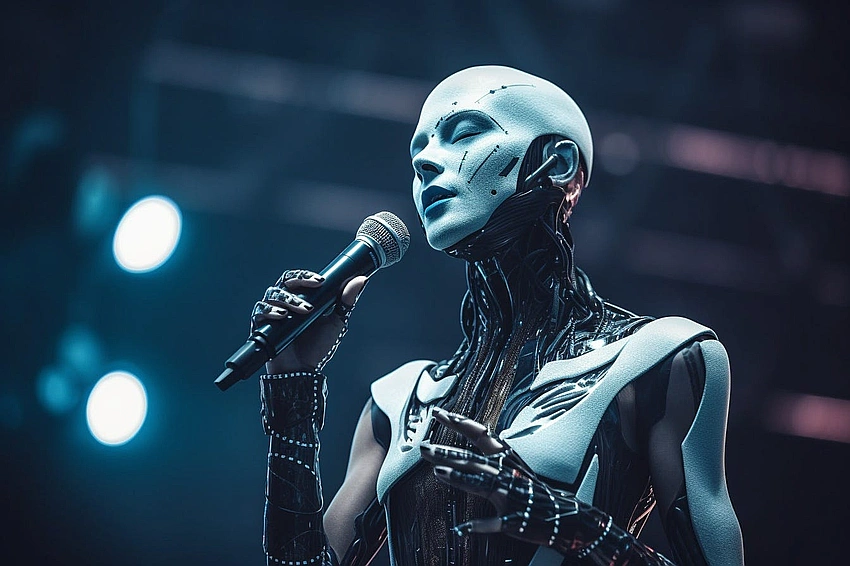
SZA vs. The Algorithms: Is AI Erasing the Soul of Black Music?
SZA declares war on AI, citing "stereotypical struggle music" and stolen streams. As algorithms mimic Black artistry, we ask: Are we trading human soul for soulless efficiency?
The War on Human Experience
When SZA speaks, the music world listens. But her recent comments to i-D Magazine were not just about album delays or tour dates. They were a distress signal. The superstar R&B artist described herself as feeling "at war" due to the encroachment of Artificial Intelligence in music. This is not just an artist venting about new technology. It is a profound warning about the erosion of cultural memory, the theft of identity, and the rise of what she calls anti-intellectualism.
We are living in a moment where AI writes songs, designs fashion, and animates films. It feels efficient. It feels futuristic. Yet, SZA’s critique highlights a darker reality that tech enthusiasts often ignore. She argues that this technology disproportionately impacts Black music. She describes hearing AI-generated covers of new artists like Olivia Dean, noting that the human artist cannot even collect streams on her own voice being mimicked. Worse, she points out the "weird, stereotypical struggle music" that these algorithms produce when prompted to create Black art.
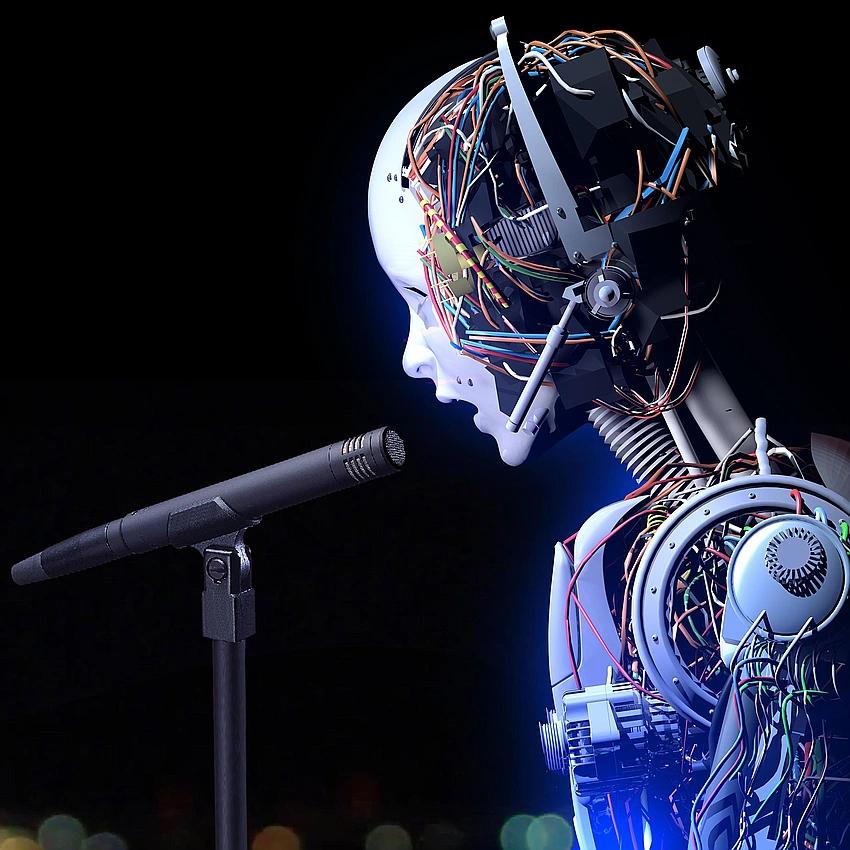
The Algorithm Has No Soul
This is the crux of the crisis. AI operates on patterns, not presence. It scrapes the internet for data, analyzing existing sounds, lyrics, and visuals to generate something statistically similar. When it attempts to replicate Black music, it does not draw from the rich, complex history of the diaspora or the specific emotional nuance of an artist like SZA. Instead, it often regurgitates a caricature.
It reduces the profound pain, joy, and resilience found in Blues, Jazz, Soul, and R&B into a mathematical formula for "struggle." This is what SZA finds offensive, and rightly so. It is digital minstrelsy. It strips the context from the content, leaving us with a hollow shell that sounds right superficially but feels wrong spiritually.
Key issues raised by the rise of AI music include:
- Loss of Economic Agency: New artists like Olivia Dean lose visibility when AI floods the market with lookalikes before they can even establish their careers.
- Cultural Stereotyping: Algorithms reinforce existing biases, creating flat, one-dimensional versions of complex cultural expressions.
- The Ease of Creation: As SZA notes, she is up against "doing things easy." Art is often born from difficulty, friction, and the human condition.
The Danger of "Doing Things Easy"
SZA framed her battle not against other pop stars or R&B singers, but against "anti-intellectualism." This is a vital distinction. The threat isn't competition. The threat is the devaluation of the human process. If a machine can churn out a fully formed song in seconds without sleeping, eating, or hurting, what creates the value in music?
On her album SOS, SZA sang, Robot got sleep but I don’t power down. That line now feels prophetic. The robot has the luxury of infinite stamina, but it lacks the one thing that makes art resonate: the possibility of failure and the reality of death. Human creativity is precious because it is finite. It is shaped by our limitations. The "angst" that SZA mentions wanting to use to drive her into bizarre directions is something code cannot replicate. Code does not feel angst. It only simulates the syntax of it.
Protecting Cultural Memory
When we allow AI to become the primary architect of our culture, we risk losing our collective memory. Fashion, film, and music are how we document what it means to be alive in a specific time and place. If those documents are forged by a predictive text generator, we are filling our history books with hallucinations.
The emergence of AI artists like Xania Monet, who sign multimillion-dollar deals, suggests the industry is ready to cut out the human element to save a buck. But at what cost? We risk entering an era where content is abundant, but meaning is scarce.
SZA’s declaration of war is a call to arms for everyone who consumes art. We have to decide if we want the easy blend of information provided by a machine, or the messy, complicated, and undeniable truth of the human experience. As for SZA, she is betting on her own humanity. We should probably do the same.
