Devil Wears Prada 2: Darker, Sharper, and Surprisingly Better

Devil Wears Prada 2: Darker, Sharper, and Surprisingly Better
The sequel takes a darker, more honest look at the fashion world, delivering sharper satire, bold performances, and a fresh critique of magazines today.
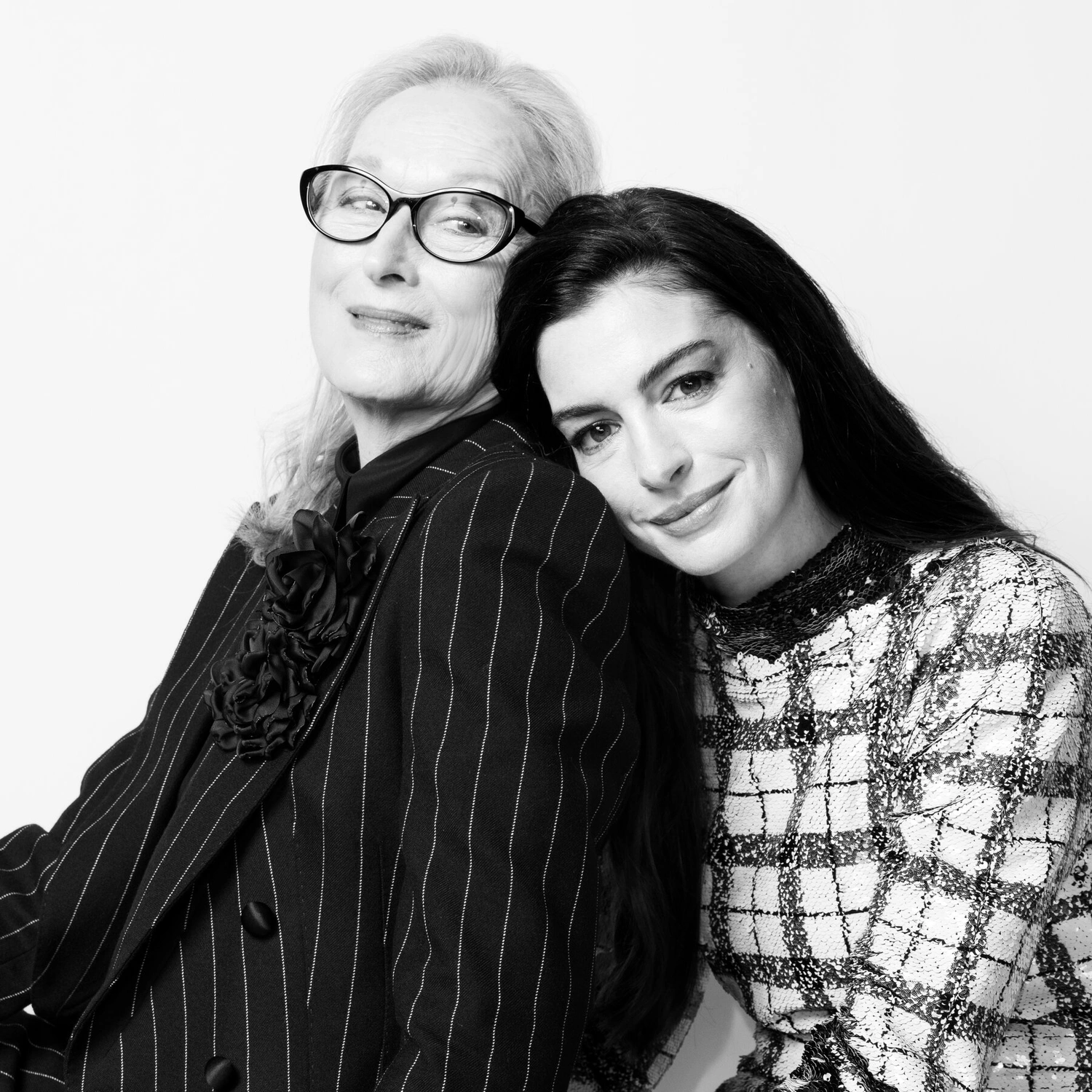
The new sequel to The Devil Wears Prada leans darker and more grounded, and early takes suggest it lands with more bite than the original. The ensemble—Meryl Streep, Anne Hathaway, Emily Blunt, Stanley Tucci—returns alongside director David Frankel, guiding a story that shifts from glossy escapism to a sharper critique of the fashion world. The tone is leaner, the jokes sharper, and the stakes feel closer to real-world magazines and boutiques.
Critics describe the film as more ambitious in its look at the industry, offering a brutal, honest portrait of the state of magazines today. It revisits familiar beats with an upgraded production and a mood that's more somber, which some see as a refreshing, if tough, take on the fashion fantasy. The shift has sparked conversations about how fashion media has changed and what audiences expect from a fashion-centered blockbuster.
Beyond nostalgia, the movie seems to embrace a bigger idea: power, fame, and the pressure to stay on trend collide with real-world consequences. Performances are expected to carry the weight, with Streep and Hathaway delivering nuanced work that grounds the satire. If the craft matches the ambition, the film could become a renewed benchmark for fashion cinema rather than a routine sequel.
