Lubaina Himid leads Britain at Venice Biennale, from corridor to pavilion

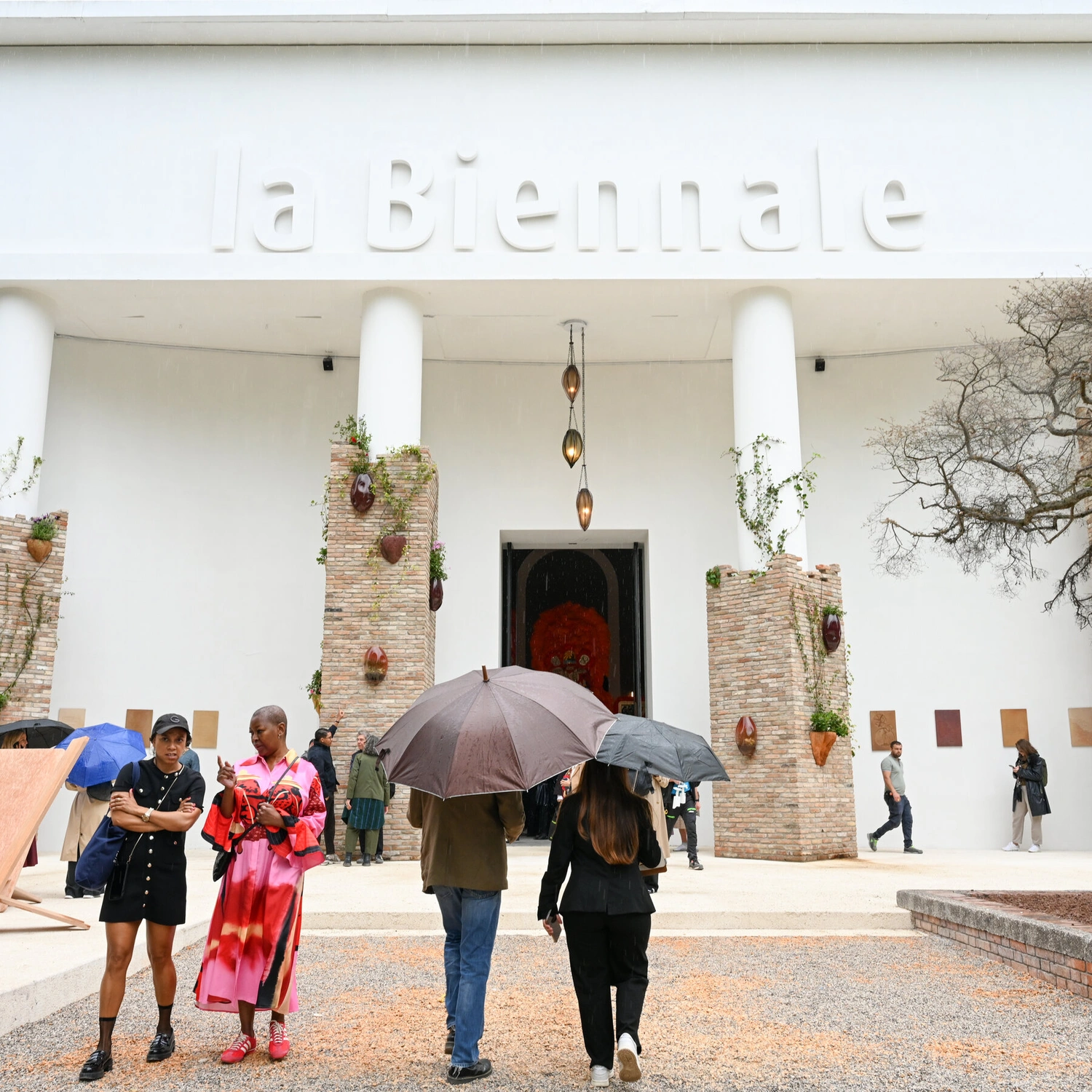
Lubaina Himid leads Britain at Venice Biennale, from corridor to pavilion
Britain’s pavilion artist at Venice Biennale, Lubaina Himid, reflects a decades-long rise from cramped corridors to the world’s stage, turning a Preston terrace into a studio as the art world watches.
As the Venice Biennale opens, Lubaina Himid stands at the center of Britain's pavilion, her career tracing a path from the cramped corridors of the 1980s to the sunlit pavilions of the Giardini. The event, often described as the Olympics of art, has long tested the nerve and reach of Black British artists, and Himid's selection continues a notable run that includes colleagues who have shaped recent UK presence on the world stage. Her work embodies a blend of memory, history and form that has become a touchstone for conversations about representation in contemporary art.
Despite the mounting attention, Himid keeps a steady home life in Preston, where she has quietly built a studio in a Victorian terrace by merging spaces from two houses. The British pavilion team followed a tight schedule: works photographed in January, shipped in February and installed by the end of March. They arrived to find they were the only crew on site, a solitary delta before the gates fully opened to the world. She even took April off, not for rest but to squeeze in a personal milestone—getting married—before the heat of vernissage previews.
Himid’s journey from a pivotal figure who once faced limited exhibition chances to the lead artist for Britain at Venice speaks to a broader arc in UK art. She sits alongside a trio of Black British artists—each moving into the pavilion space in recent years—who have reshaped how British art is imagined abroad. The atmosphere around the Biennale often evokes questions about both belonging and alienation, a theme some observers note amid the serene shores and bustling pavilions, suggesting that the quiet depth of her work speaks louder than grand gestures.
Behind the scenes, Himid’s approach is marked by discipline and a quiet confidence. The studio on her terrace is a microcosm of a practice that has thrived on persistence, collaboration, and a willingness to push through barriers. She has long described herself as obedient to the path she believed in, even as other artists chart different courses. Her readiness to stay the course is part of what makes her pavilion installation feel both intimate and expansive, inviting viewers to engage with history while considering its presence in the contemporary present.
