Iran Strikes Israel Post-Truce: Regional Tensions Soar Amidst Airspace Chaos

Iran Strikes Israel Post-Truce: Regional Tensions Soar Amidst Airspace Chaos
Iran's first strike on Israel since April's truce ignites fresh regional fears. Airspace restrictions expand as the fragile "not war, not peace" dynamic teeters on the brink.
The Middle East finds itself on edge once more as Iran has reportedly launched an attack on Israel, marking the first such incident since a fragile truce was established in April. This significant development immediately escalated regional tensions, prompting widening airspace restrictions across the area and raising concerns about broader instability.
The strike shatters what has been described as a "not war, not peace" stalemate, a precarious situation that has seen US troops in the region adapt to a new normal under constant threat. For months, the geopolitical landscape has been volatile, with international efforts struggling to maintain a semblance of calm.
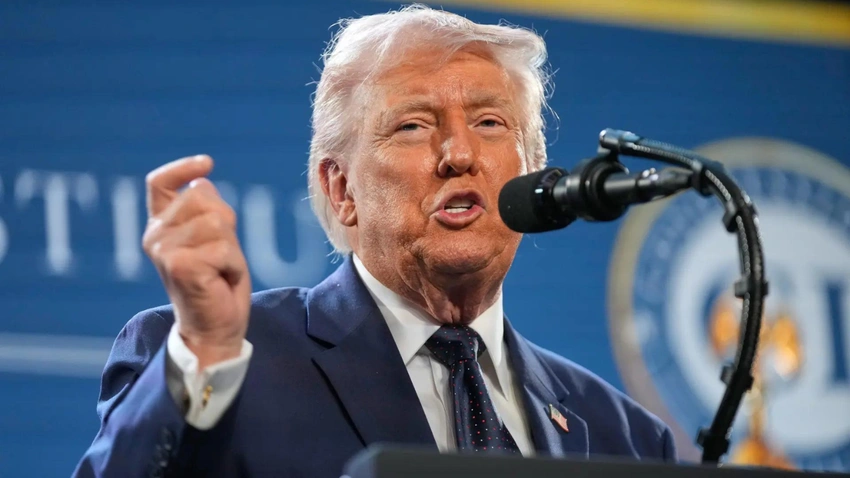
This latest aggression comes against a backdrop of complex and often contradictory international diplomacy, particularly concerning the United States' role. Former President Donald Trump, who once boasted of ending wars, has faced criticism for a "casual disregard for diplomacy" and an "obsession with instant results," which critics argue has contributed to a new world disorder, citing situations in Ukraine, Gaza, Iran, and Lebanon.
Trump himself had previously declared a ceasefire with Iran in April, yet the current situation indicates that peace remains elusive, with a stalemate settling in. His past rhetoric has been sharp, at one point threatening to "blow up" Iran if a peace deal failed, while also claiming that the conflict with Iran was "not an endless war." Such statements underscore the highly charged and unpredictable nature of the relationship between these global players.
The implications of Iran's strike on Israel are far-reaching. Beyond the immediate military and civilian concerns, the incident threatens to unravel any progress made towards de-escalation, putting immense pressure on international actors to prevent a wider conflagration. As regional airspaces become increasingly restricted, the world watches anxiously to see how this critical new chapter in the Middle East's ongoing saga will unfold. The stability of a crucial global region hangs precariously in the balance.
