Has Kolkata Lost Its Joy? A Reflection on Safety and Crime

Has Kolkata Lost Its Joy? A Reflection on Safety and Crime
Kolkata, once celebrated for its vibrant culture, now faces a troubling rise in crime. This poignant reflection examines how safety has diminished in a city that used to inspire hope.
Kolkata, once known as the "City of Joy," is slowly turning into "City of Fear" under the global spotlight. The city, which once stood as a testament to history, culture, and art, is now witnessing heinous crimes like rape. As a resident and especially being a female, living in this city haunts me sometimes. That sense of safety I once took for granted in familiar Kolkata lanes now feels fractured. But when this kind of violence invades a campus, a place of learning and hope, it feels like a direct violation of our collective promise as a society.

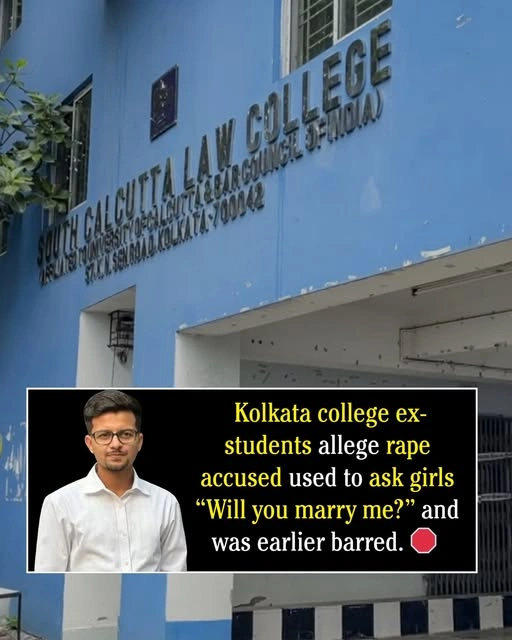
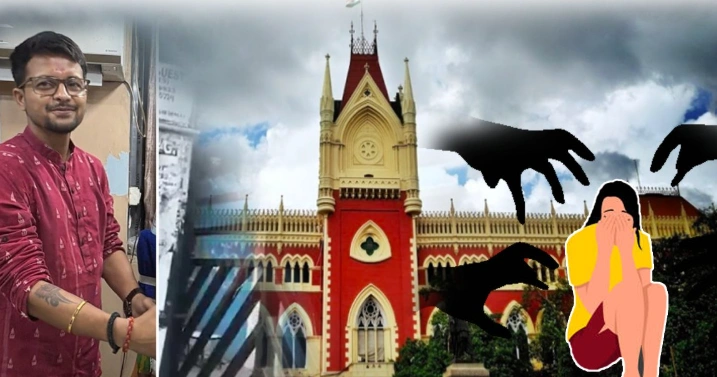
On June 25, 2025, a 24 year old, first year student at South Calcutta Law College was allegedly gang‑raped inside the college guard room by Monojit Mishra (also called “Mango”), a former student and TMCP leader, along with two senior students.
The survivor’s medical report, conducted late on June 26, revealed bite marks, nail scratches, and abrasions around her neck and chest. These injuries support allegations of a violent assault. Legally, such injuries are vital proof under the Indian Evidence Act provisions regarding sexual violence.

The 31-year-old Monojit Mishra is a prime example of institutional impunity driven by favour and authority. His impact persisted long after graduation as a previous leader of the TMCP. He allegedly sold admissions for between ₹50,000 and several lakhs, bypassed college regulations, and used intimidation as a power broker.
His reputation wasn’t limited to this one crime. Over the years, he was accused of stalking, blackmailing, filming women without consent, body‑shaming, and violence. In one disturbing tactic, he reportedly lured women with the Bengali phrase:
Tui amay biye korbi? (Will you marry me?)
Over the years, numerous criminal charges, including molestation, assault, and even attempted murder, had been brought, but nothing significant had been done. As one former friend recounted, surviving students were too terrified to lodge complaints.
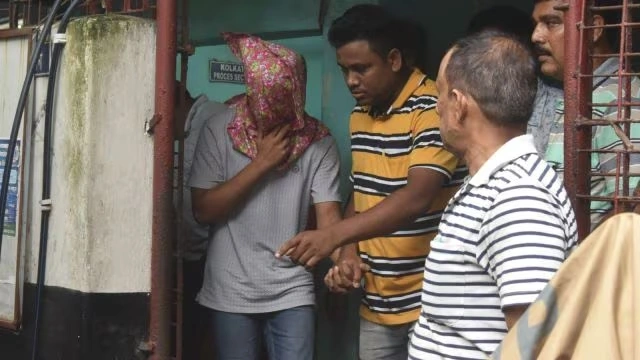
It was discovered by the Special Investigation Team (SIT) that the rape was not spontaneous. Since the survivor's first day, Mishra and his assistants had been stalking her, and they had spent days planning the attack, including filming it for blackmail.
How such predators could thrive in a law school, which is supposed to promote justice, is one of the deeper questions this tragedy exposes. The existence and influence of politically connected people, along with institutional indifference, they contend, created a haven for criminals. Earlier complaints went unanswered; the police and college administration never took any action.
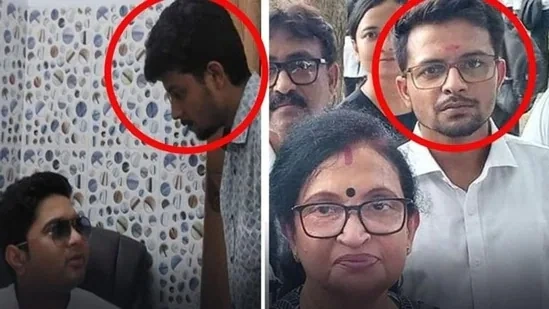
The BJP and other parties have accused the ruling TMC of protecting Mishra because of his purported political ties, pictures of him with high-ranking TMC officials went viral, sparking indignation.
This is not a unique instance. It serves as a harsh reminder that physical places like schools, hospitals, and colleges are unsafe for women, especially in the wake of the 2024 RG Kar doctor rape and murder, which occurred less than a year ago. It highlights structural weaknesses, such as the inability to file complaints, the carelessness of the authorities, and the politicisation that impedes the administration of justice.
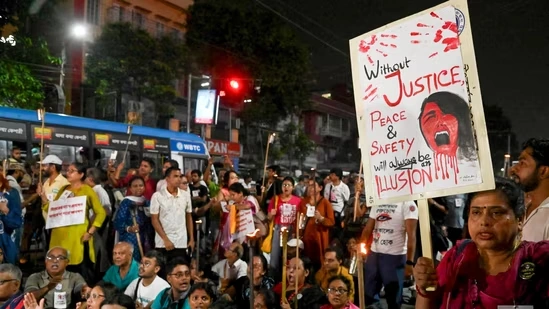
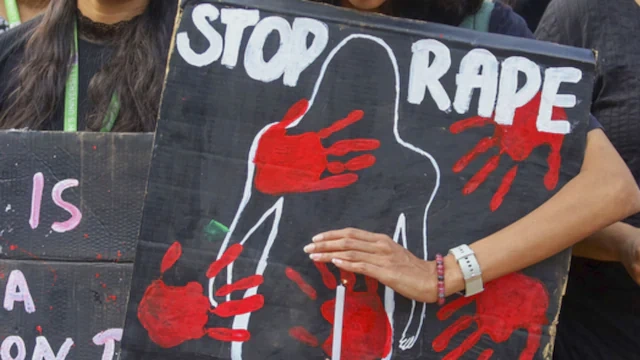
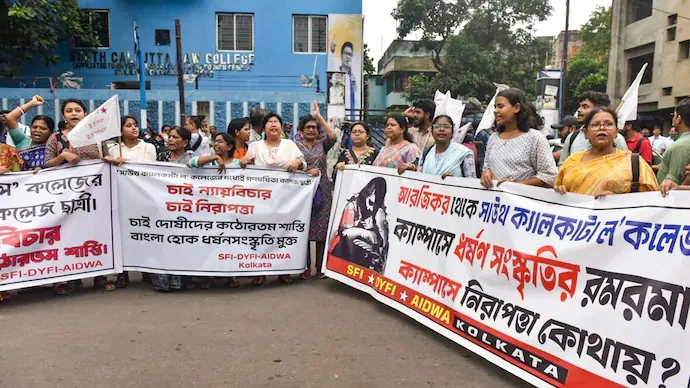
Public reactions have included protests, demands for stricter laws, and calls for CBI inquiries and High Court intervention.
Dr Subarna Goswami, additional general secretary of the All India Federation of Government Doctors’ Association, on the R.G. Kar case (not the law college incident, but relevant context on gang rape in Kolkata):
That quantity [of seminal fluid] cannot be from one person. It suggests the involvement of multiple people.
Dr Raja Dhar of C.K. Birla Hospital (Kolkata), commenting:
Multiple assailants were needed to carry out this horrific act.
While not direct quotes, experts in forensic medicine and psychology understand:
- Such heinous deeds are primarily motivated by power and control. These kinds of rapes are manifestations of power, control, and supremacy over bodies and will rather than sexual assault.
- Perpetrators' psychological traits are important. According to experts, people like Monojit Mishra (“Mango”) exhibit psychopathic features such as emotional manipulation (“Tui amay biye korbi?”), stalking, repeated predation, and a lack of regret.
- When numerous people commit an assault, it gives each member more confidence and diffuses personal accountability. Evidence from R.G. Kar provides a medical illustration of this idea: it takes numerous attackers to confine and injure the victim.
The city that I love so much, the city that brought me and as a resident of Kolkata, I feel betrayed. Not just by the individuals who committed this atrocity, but by a system that let them flourish unchecked. My city’s heritage is one of learning, culture, and justice. Yet what happened on the campus reminds me that respect for women’s safety remains a distant promise. Political protection for predators, institutional lethargy, and enforcement indifference must all be addressed in this situation.
We require prompt justice through impartial investigations, whether by the CBI or a court-appointed SIT, and extensive reforms, such as required ethics training for students, open grievance redress in colleges, and therapy for survivors. I want to restore harmony and confidence in public areas and establishments so that our boys and daughters can pursue education fearlessly as someone who walks these streets in Kolkata.
#Kolkata #CityOfFear #SafetyFirst #SocialIssues #WomenSafety
