El Niño 2026: India Braces for Heat, Below-Normal Monsoon

El Niño 2026: India Braces for Heat, Below-Normal Monsoon
WMO warns El Niño could return mid-2026, likely bringing record heat and a drier monsoon to India, with Hindu Kush Himalaya snow reserves at a new low.
A mid-2026 return of El Niño is on the horizon and could be a strong one, the World Meteorological Organisation said on Friday. The Global Seasonal Climate Update points to a shift in the equatorial Pacific, with sea-surface temperatures rising rapidly and a likely onset of El Niño as early as May–July 2026. Forecasts indicate a nearly global dominance of above-normal land surface temperatures during that period, with below-normal rainfall projected over India through July. After a period of neutral conditions at the start of the year, climate models are now strongly aligned, and there is high confidence in the onset of El Niño, followed by further intensification in the months that follow.
This could spell a difficult season for India, as the monsoon — crucial for farming and water supply — is expected to be below normal. The warmer Pacific and weaker rainfall would heighten heat stress across large parts of the country. Snow reserves across the Hindu Kush Himalaya have fallen to a record low for the fourth consecutive year, signaling growing concerns about water security and glacier-fed rivers.
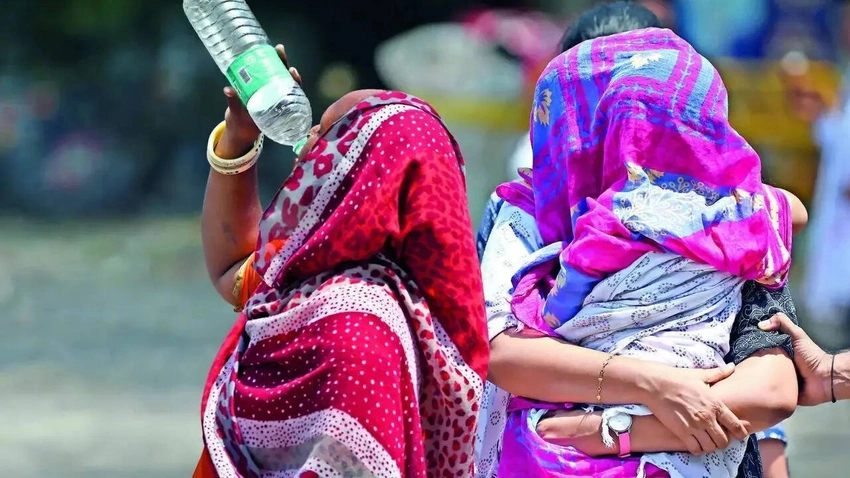
In Delhi, heat has already taken a toll, with the city recording some of its hottest days of the year, underscoring the immediate heat stress risks that could intensify if forecasts hold. Authorities are urging residents to stay hydrated, limit outdoor activity during peak sun hours, and crack down on dust and construction waste violations as conditions heat up.
Experts caution that the spring predictability barrier can affect early forecast certainty, but confidence typically improves after April. As El Niño conditions take hold, policymakers, farmers, and urban planners are urged to prepare for a season of above-average heat and potentially drier monsoons, with contingency measures to protect crops, water supplies, and vulnerable populations.
