The Stig Reveals Near-Fatal Top Gear Crash Trauma: 'No Idea How I Survived'

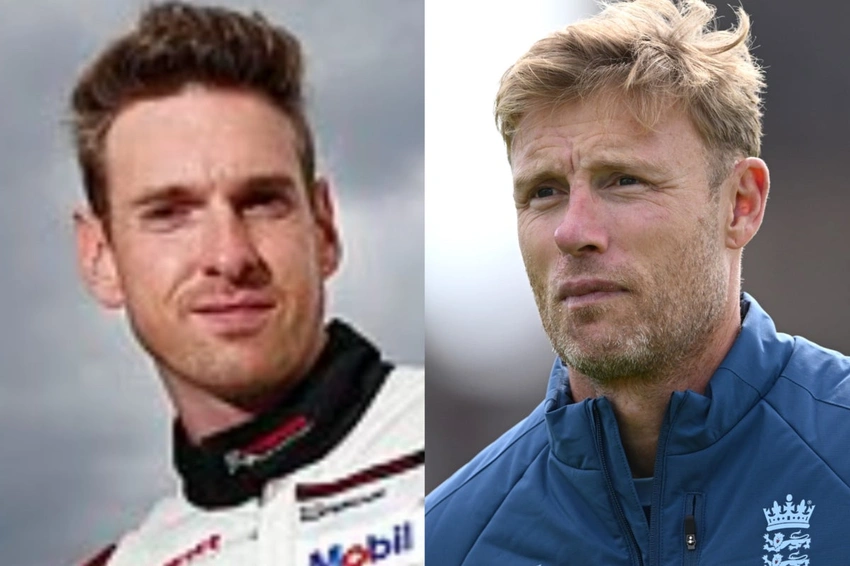
The Stig Reveals Near-Fatal Top Gear Crash Trauma: 'No Idea How I Survived'
Paul Rees, aka The Stig, breaks silence on the Freddie Flintoff car crash, revealing a broken back, PTSD, and a lawsuit against the BBC. A shocking account of the accident that changed everything.
Paul Rees, famously known as The Stig from Top Gear, has come forward with a harrowing account of the 2022 car crash involving presenter Freddie Flintoff, claiming he nearly lost his life and suffered a broken back. Rees, a seasoned ex-Formula 2 and Porsche Supercup driver, was in the vehicle that flipped during filming at Surrey's Dunsfold Aerodrome and is now suing the BBC for damages, which the broadcaster "strenuously denies."
In a candid new interview, Rees, 41, described the terrifying moment, stating, "I genuinely felt like we were going to potentially die, because we had no protection." He recounted that the three-wheeler Morgan Super 3 they were driving had no roof, and he was not wearing a helmet. He starkly remembered, "I was acutely aware the only thing holding my head off the tarmac was Fred’s head." The impact was so severe that his "vision went red," which he later realized was "blood from Fred spraying me in the face."
Rees alleges that he was asked to join Flintoff in the vehicle because the presenter was not deemed "dynamic enough" to navigate a challenging corner on the track. He claims he had "highlighted the risks from the very start" but was ignored, stating, "We were not listened to by the BBC." The professional driver, like Flintoff, has been left with PTSD following the incident and still grapples with how they both survived.
Following the crash, Rees says he waited two hours for medical attention, with a solo medic on site reportedly telling him, "I’m not equipped for this." Although initially given the all-clear, he later discovered a year after the accident that he had suffered a broken back. His reflections paint a grim picture of the events, where he thought, "if we can get out of this and be in wheelchairs, we’re lucky. It was a terrifying thought." He noted how "everything goes in slow motion" during such extreme moments.
