When Does 'AI-Assisted' Become 'Creative Deception'?

When Does 'AI-Assisted' Become 'Creative Deception'?
A film director promised hand-drawn animation but later admitted AI played a significant role. This raises critical questions about transparency and authenticity in the new age of AI-powered art.
We’re living in an exhilarating time for creative tools, where technology can seemingly bring any vision to life. But as these tools become more powerful, the lines between human ingenuity and algorithmic input blur, forcing us to ask: When does AI-assisted art cross into creative deception?
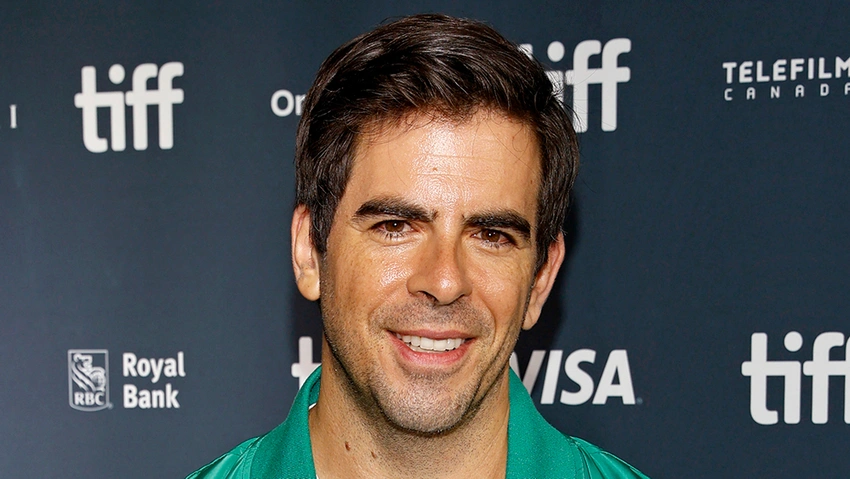
Consider the recent buzz around a highly anticipated horror release, 'Ice Cream Man,' with its August 7 premiere looming. Early on, the filmmaker, Eli Roth, generated excitement by hinting at a unique animated sequence, one he'd initially drawn himself. The idea of a director's personal touch, a handcrafted element in a modern production, resonated deeply with many.
It suggested a commitment to traditional artistry within a contemporary framework.
However, the narrative shifted dramatically closer to the release. Roth conceded that AI had played a significant role in creating those very shots, stating he 'misspoke' in his earlier descriptions.
It cuts to the core of artistic integrity and audience trust. When a creator initially champions a specific, human-centric process, and then later reveals a different, AI-driven reality, it inevitably raises eyebrows. The initial promise paints a picture of a certain kind of effort and skill, a human being toiling over details.
The subsequent admission, while honest, retrospectively changes the perception of that creative work. Was the initial statement a genuine mistake, or was it a strategic misdirection to capitalize on the appeal of human-made art?
Artists and filmmakers, from hobbyists to veterans, need to grapple with this transparency challenge. AI offers incredible efficiency and opens new artistic avenues, but it also introduces an ethical tightrope. If AI is merely a brush or a pencil in the artist's hand, enhancing their existing skill, that's one thing.
But if it's generating significant portions of the content, or even entire sequences, without clear disclosure, we enter a different territory. The 'Ice Cream Man' situation highlights the tension between embracing innovative tech and maintaining an honest dialogue with the audience.
The real danger here is the erosion of trust.
Audiences form an emotional connection with art, often predicated on the perceived human effort and passion behind it. When that perception is later revealed to be incomplete or, worse, inaccurate, it breeds cynicism.
Filmmakers like Eli Roth are in a unique position to shape the conversation around AI in cinema.
Their choices regarding transparency set precedents for the wider industry.
Moving forward, the industry must foster an environment where creators are upfront about their methodologies. It's not about shunning AI; it's about acknowledging its role.
A simple 'AI-assisted' credit or a transparent explanation upfront could preempt much of this debate.
By embracing honesty, even when it means revising earlier statements, creators can safeguard the genuine connection they share with their audience. Otherwise, every 'misspoke' risks becoming a mark against creative credibility, potentially leaving both artists and their patrons feeling deceived. We need to decide, collectively, where we draw that line, and then stick to it with unwavering integrity.
