Authenticity Trap: Is Social Media Still Hurting Women's Self-Esteem?

Authenticity Trap: Is Social Media Still Hurting Women's Self-Esteem?
Despite the 'authenticity' trend, idealized virtual images continue to disproportionately affect women's self-esteem. We explore the hidden costs of performing an online identity.
The Gendered Toll of Virtual Identity Performance
The online world promised connection and self-expression. Now, years into the social media experiment, we're seeing a shift- a call for 'authenticity'. Yet, beneath this veneer of realness, a familiar and insidious pressure persists, especially for women.
The idealized virtual image, painstakingly crafted or seemingly effortless, continues to disproportionately impact women's self-esteem, creating a gendered toll that's often overlooked.
It's time to examine the paradox at the heart of our digital lives.
The Unseen Burden
For decades, traditional media set unattainable beauty standards. Social media amplified this, placing the means of production, and comparison, directly into everyone's hands. Women, more often than men, find themselves navigating platforms where their appearance, lifestyle, and even emotional expressions are constantly under scrutiny.
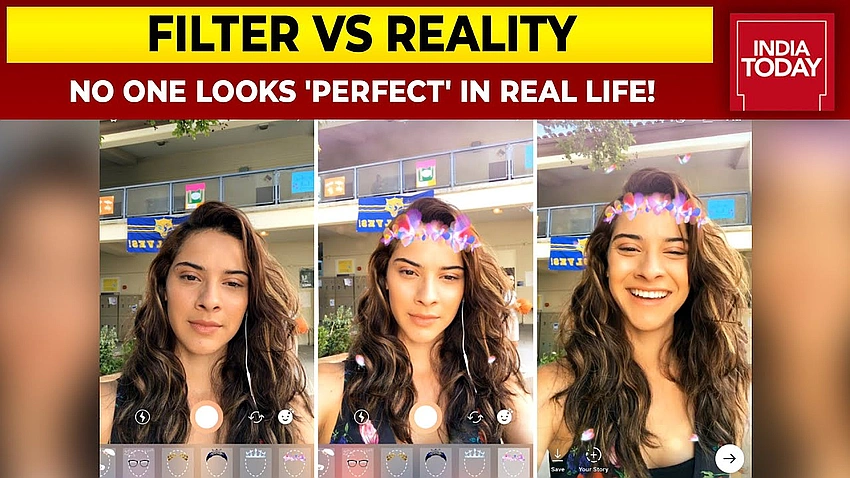
This isn't just about filters- it's about the subconscious pressure to curate a life that aligns with often unrealistic expectations.
The 'perfect' selfie, the 'dream' vacation, the 'effortless' glow- these aren't just posts, they're performances. This constant striving for an idealized persona, often subtle and internalized, makes the digital realm a uniquely challenging space for female identity formation and maintenance. The toll on mental well-being is often invisible but profound.
Authenticity's Double-Edged Sword
The recent trend towards 'authenticity' was supposed to be a reprieve.
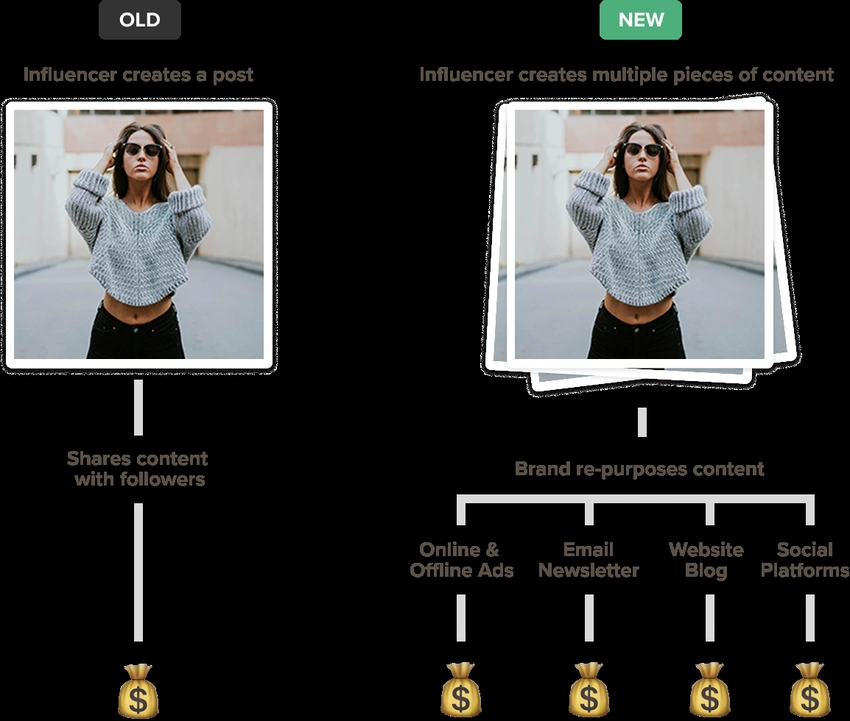
Influencers now share 'unfiltered' moments, 'raw' emotions, and 'real' bodies.
But has it truly helped?
For many women, this simply adds another layer to the performance.
Now, one must not only be beautiful and successful, but also vulnerably 'real' in a polished way.
This expectation of curated vulnerability can be exhausting, a sophisticated new form of identity performance that still demands perfection, just under a different guise. It's a continuous cycle of striving, where even imperfections are aestheticized. The pressure to appear 'effortlessly authentic' is perhaps the most insidious performance of all.
The Psychological Cost
The constant self-monitoring and comparison inherent in virtual identity performance takes a significant psychological toll. Studies consistently show links between heavy social media use and increased anxiety, depression, and body dissatisfaction, particularly among young women. When our self-worth becomes tied to likes, comments, and the perception of a flawless online persona, our inner critic gains immense power.
“Our digital reflections often become warped mirrors, distorting our self-perception and amplifying insecurities,” one expert noted. It impacts mental well-being profoundly, eroding self-esteem from the inside out.
The burden of maintaining this virtual façade is heavier than we often acknowledge.
Reclaiming Self Beyond the Screen
So, how do we break free from this gendered toll? Recognizing the performance is the first step. Actively disengaging, setting boundaries, and intentionally consuming diverse content can help.
More importantly, cultivating a robust sense of self-worth that exists independently of external validation and online metrics is crucial.
True authenticity doesn't need an audience; it thrives in quiet confidence. Let's champion a digital space where women are empowered to be their full, multifaceted selves, without the exhausting pressure of a perfect performance.
It's about building resilience and valuing inner peace over outward perfection.

#VirtualIdentity #SocialMediaPressure #WomenOnline #AuthenticityTrap

Login to comment.
No thots yet. Be the first to share your thoughts!