Macklemore's Tour Exit: Creative Freedom vs. Industry Control

Macklemore's Tour Exit: Creative Freedom vs. Industry Control
Macklemore's removal from Ed Sheeran's tour ignited a firestorm. It's a clash between artistic expression and powerful industry forces. Where do artists stand?
The recent fallout from Macklemore's removal from Ed Sheeran's tour over his “Free Palestine” statements has sent ripples through the music industry. It followed intense pressure from a group of American stadium owners, notably led by Robert Kraft. Sheeran, for his part, claimed he sought a resolution, stating the decision came from promoters and venues, not him.
But the damage was done, and the incident immediately opened up a crucial conversation about artistic freedom versus commercial interests.
Artists Take a Stand
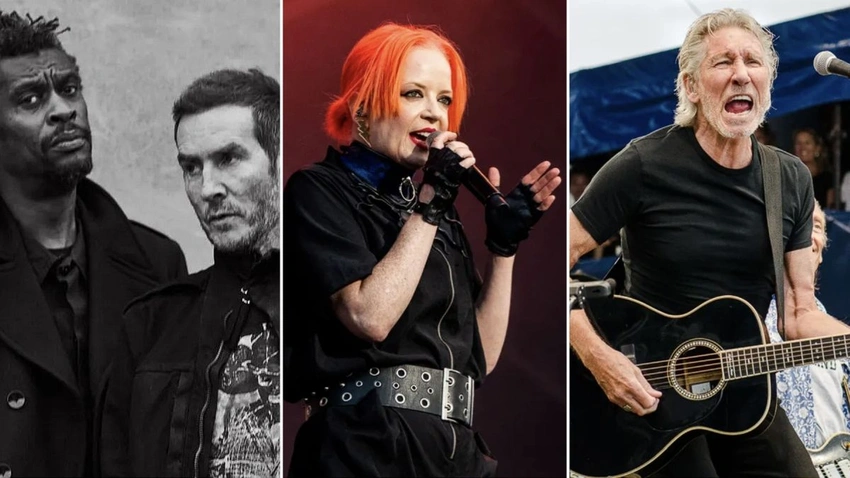
The music world didn't stay quiet. In a powerful show of solidarity, industry giants like Massive Attack, Garbage, and Roger Waters swiftly condemned the move and Ed Sheeran's perceived neutrality.
Massive Attack didn't mince words, declaring,
No artist should tolerate the censorship of another artist, however many millions of dollars are in play.
They elaborated further, emphasizing that “Entertainment can never be bigger than resisting the apartheid & genocide of fellow human beings.” This isn't new territory for Massive Attack, who have consistently championed Palestinian rights, even facing bans and arrests for their activism.
Garbage echoed this sentiment, noting a “global consciousness has shifted” regarding “decades of Israeli persecution and genocidal intent against the Palestinian people.” They directly challenged Sheeran, asserting, “Ed, there is only one victim here: the Palestinian people.” This isn't just about Macklemore; it’s about a wider refusal to normalize or sanitize a situation many artists see as deeply unjust.
The Price of Conviction
Then there's Roger Waters, a long-time advocate for Palestinian rights and the BDS movement. In his characteristic blunt style, he didn't hold back, directly addressing Sheeran and labeling those who “do the wrong thing” with a particularly colorful epithet. It manifested in action.
Sheeran's remaining openers and even his backing band reportedly pulled out in solidarity with Macklemore, a testament to the strong convictions simmering beneath the surface of commercial music.
This situation forces us to confront uncomfortable questions. When an artist uses their platform to speak on human rights, as Macklemore did, how much industry pressure should they endure? And when does an attempt at neutrality become complicity in the eyes of peers and the public?
The line between creative expression and commercial viability feels increasingly blurred, particularly when geopolitical issues are involved.
What's Next for Artistic Activism?
The Macklemore incident, and the powerful response from other artists, highlights a growing trend: artists are increasingly unwilling to remain silent, even if it jeopardizes lucrative opportunities.
They're choosing conscience over commerce, challenging the industry to reconcile its profit motives with fundamental human rights.
It's a bellwether for the evolving role of art in an interconnected, politically charged world.
What does this mean for the future of tours, sponsorships, and artist freedom? Will more artists be willing to risk their careers for their beliefs, and will the industry ultimately be forced to adapt to this new era of principled stands?
