Judge Rules Biden-Era Abortion Pill Restrictions Unlawful!

Judge Rules Biden-Era Abortion Pill Restrictions Unlawful!
A federal judge in Virginia has declared certain Biden-era restrictions on the abortion pill mifepristone "unlawful." Learn what this means for access and the ongoing legal battles.
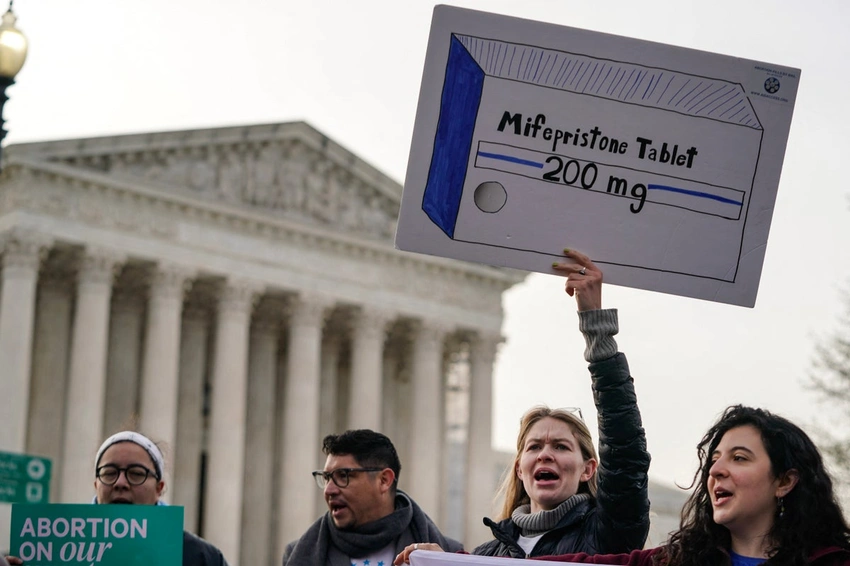
A federal judge in Virginia has made a significant ruling, declaring a key requirement regarding the abortion medication mifepristone as unlawful. U.S. District Judge Robert Ballou, presiding in Charlottesville, stated on Thursday that the Biden administration's mandate for special certification for doctors and pharmacies to prescribe mifepristone lacked proper justification.
Judge Ballou's decision highlighted that the U.S. Food and Drug Administration (FDA) had not adequately explained the necessity of these 2023 restrictions, especially considering its consistent affirmations of mifepristone's safety and effectiveness. "Nor does the FDA explain how, without these restrictions, prescribing the drug becomes an intolerable risk which would require withdrawal of the drug from the market," Judge Ballou wrote, who is a Biden appointee himself.
This ruling stems from a 2023 lawsuit initiated by three abortion providers. While Judge Ballou currently has the authority to compel the FDA to reconsider the contested rule, he noted that federal law does not yet permit him to strike it down entirely. However, he indicated that he might invalidate the rule at a later stage, particularly when addressing separate claims that these restrictions infringe upon the constitutional rights of providers. The FDA has not yet responded to requests for comment regarding this development.
The decision arrives amidst ongoing and widespread efforts by Republican-led states and anti-abortion organizations to limit access to mifepristone. This medication is a critical component of over 60% of abortions in the U.S. Initially approved by the FDA in 2000, access to mifepristone has gradually expanded over the years. This includes a separate Biden-era regulation that permits its prescription and dispensing via mail, a rule that the U.S. Supreme Court allowed to remain in effect in May, pending a broader legal challenge and the FDA's ongoing safety review.
Mifepristone, which is part of a two-drug regimen for abortion, has become a central point of contention in the national abortion debate since the Supreme Court's 2022 overturning of Roe v. Wade. This latest judicial development adds another layer to the complex legal landscape surrounding abortion access in the United States.
