US-Iran Peace Deal Reached, But Israel Rejects Key Terms. Trump Warns!

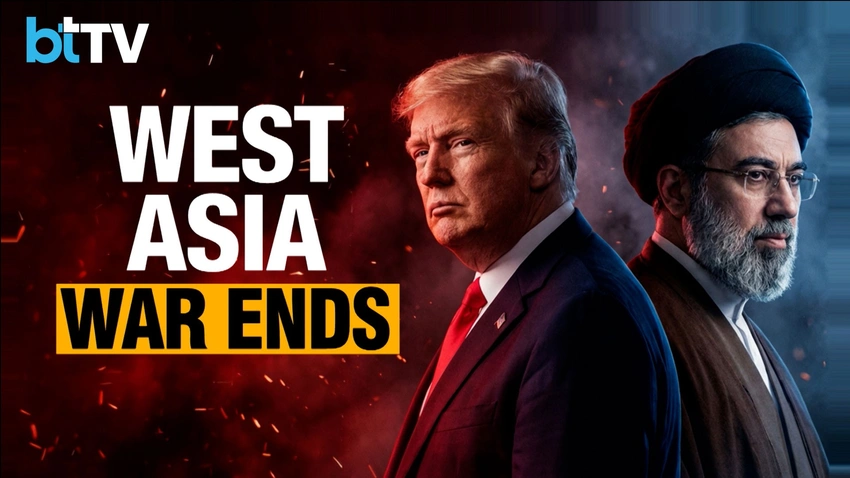
US-Iran Peace Deal Reached, But Israel Rejects Key Terms. Trump Warns!
A landmark US-Iran peace deal aims to end war and reopen the Strait of Hormuz. But Israel rejects terms, and critical uranium issues loom. What's next?
A major diplomatic breakthrough has been announced as US President Donald Trump and Iran’s Supreme National Security Council have agreed on a framework peace deal, aiming to conclude over 100 days of intense conflict. The formal Memorandum of Understanding (MOU) is slated for signing in Geneva this Friday, June 19, marking a significant step towards de-escalation.
The agreement includes vital provisions such as the phased reopening of the strategic Strait of Hormuz and the lifting of the US naval blockade, crucial steps for regional stability and global oil markets. However, not all challenges have been overcome. Key decisions regarding Iran’s highly enriched uranium program have been deferred into a demanding 60-day negotiation window, leaving a critical component unresolved.
The deal has already faced significant opposition, with Israel explicitly rejecting several core components. They have stated their refusal to be bound by the proposed arrangement, introducing a major point of friction. Reports also indicate President Trump warning of a potential return to war if these lingering issues are not adequately addressed.
Further details about the agreement are expected soon, as US Vice President JD Vance announced that the full text of the deal will be released this week. Speaking on ABC's Good Morning America, Vance highlighted the potential for the deal to stabilize oil markets and redefine the complex relationship between the US and Iran. He emphasized that any sanctions relief for Iran would be strictly performance-based, contingent on verifiable nuclear commitments and a long-term abandonment of any weapons program.
Vance also sought to counter criticisms, portraying the agreement as a potential victory for multiple stakeholders, including the United States, Israel, Gulf nations, and even the Iranian populace. This deal represents a delicate balance of diplomatic achievement and unresolved high-stakes issues, underscoring the volatile nature of international relations in the region.
