Peter Arnett, Pulitzer-Winning War Reporter, Dies at 91

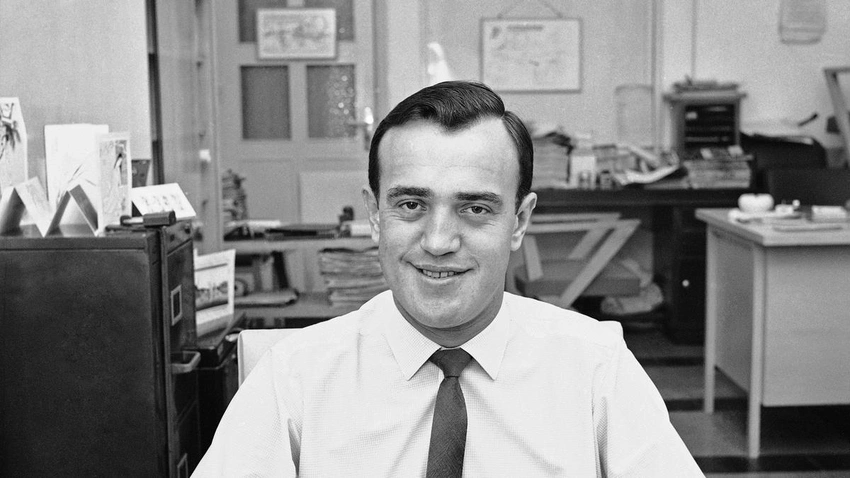
Peter Arnett, Pulitzer-Winning War Reporter, Dies at 91
Pulitzer Prize-winning journalist Peter Arnett, famed for Vietnam coverage and Gulf War updates, has died at 91 in Newport Beach, leaving a legacy of frontline reporting.
Peter Arnett, the Pulitzer Prize-winning war reporter whose career spanned Vietnam to the Gulf War, has died at 91 in Newport Beach. He won the 1966 Pulitzer Prize for international reporting for the Associated Press, earning renown for his on-the-ground coverage of Vietnam from 1962 to 1975. His work brought the realities of war to readers around the world and set a standard for frontline journalism.
Arnett’s career extended beyond print when he became a household name in 1991 for CNN's live updates from Baghdad during the first Gulf War. As missiles rained over the city and air-raid sirens blared, he spoke calmly into the microphone, delivering eyewitness accounts that defined a pivotal moment in television news. “There was an explosion right near me, you may have heard,” he described in a moment that underscored the risks reporters faced in real time. “They are hitting the center of the city.”
His frontline experiences were marked by close calls. In January 1966, while reporting alongside U.S. soldiers, he stood near the battalion commander as a map was shredded by gunfire—an image that would become part of his personal lore about courage under fire. Throughout a decades-long career, Arnett dodged danger to tell the world what war looked like from the ground, whether in rice paddies or desert sands. He later reported for CNN for nearly two decades, helping to shape a generation’s understanding of conflicts abroad.
In recent years, he faced prostate cancer and had entered hospice care before his passing on December 17, 2025, surrounded by friends and family in Newport Beach. His death closes a chapter on a generation of journalists who bridged distant battlefields with vivid, unvarnished storytelling. Arnett’s legacy lives on in the many reports that brought viewers closer to the costs, duties, and humanity of war.
