Trump's Board of Peace Pledges $7B for Gaza Relief at DC Meeting

Trump's Board of Peace Pledges $7B for Gaza Relief at DC Meeting
Donors pledge over $7 billion for Gaza relief as the Board of Peace pushes a plan for Hamas disarmament and Gaza reconstruction.
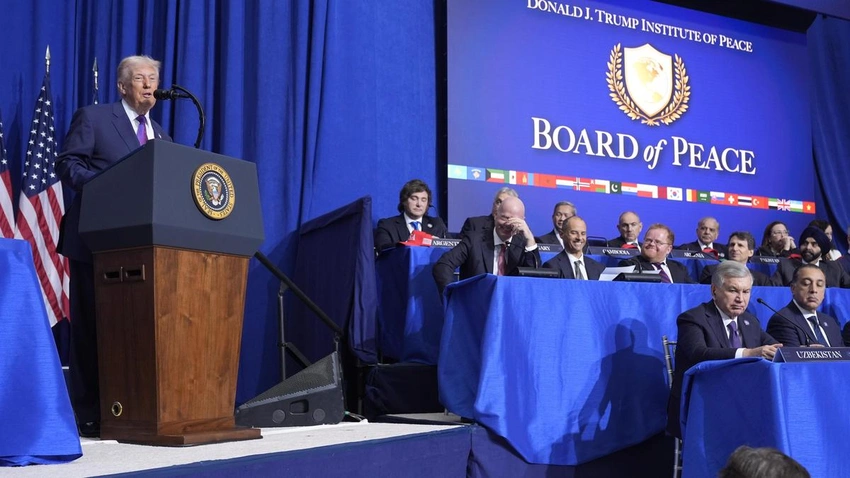
A first meeting in Washington of Trump’s Board of Peace saw donors commit more than $7 billion toward a Gaza relief package. Nine countries joined the effort: Kazakhstan, Azerbaijan, the UAE, Morocco, Bahrain, Qatar, Saudi Arabia, Uzbekistan and Kuwait. Trump said it looks like Hamas will disarm, though there are few signs of the group stepping back its control of the Strip. He also stressed the board will work closely with the United Nations, promising to bring the UN back into closer coordination. Gaza, he said, was no longer a place where relief could be delayed, and the international effort would help support reconstruction while keeping up pressure on actors on the ground.
The plan’s second phase targets both the disarmament of Hamas and the reconstruction of Gaza. Prime Minister Benjamin Netanyahu echoed the stance that there would be no reconstruction before demilitarisation, underscoring the political and security hurdles embedded in any relief effort. The conflict traces back to Hamas’ attack on southern Israel on October 7, 2023, which killed about 1,200 people and hostage 251 others. In Gaza, the health ministry run by Hamas has reported more than 72,000 deaths and the territory’s economy lies in ruins, with an estimated $70 billion in damage according to UN figures.
Several Western allies have declined to join the Board of Peace. The UK, Canada, France and Germany are among those that did not sign on, raising questions about the coalition’s inclusivity and its potential to supplant the UN in driving relief and reconstruction. Trump has insisted the board’s approach will be multinational and cooperative with the UN, arguing that Gaza’s relief must be backed by broad international buy-in while not sidelining traditional global institutions.
As the meeting wrapped, supporters framed the $7 billion pledge as a significant humanitarian gesture aimed at alleviating immediate suffering and kickstarting long-term reconstruction. Critics, however, remain wary of the board’s motivations and its ability to coordinate complex humanitarian and security goals across a fractured region.
In short, the pledge marks a bold, controversial effort to address Gaza’s humanitarian crisis, even as the path to disarmament and rebuilding remains fraught with political and strategic obstacles.
