The End of the Male Gaze on the Catwalk?
The End of the Male Gaze on the Catwalk?
The End of the Male Gaze on the Catwalk?
Women are starting to reclaim the stage for themselves. Not their spectators. And I personally find that extremely empowering for all those girlies out there.
For so many decades, the fashion runway was a stage designed for spectacle: it was a curated fantasy where women were both the art and the audience’s pleasure. Every flick of the hip, every slit in the gown, every coy glance down the runway was captured not just by cameras but by a cultural lens: the male gaze, which dictated what beauty should look like, sound like, and move like. And there was nothing the women could do about it.
But by passing time, something has been quietly, but powerfully shifting.
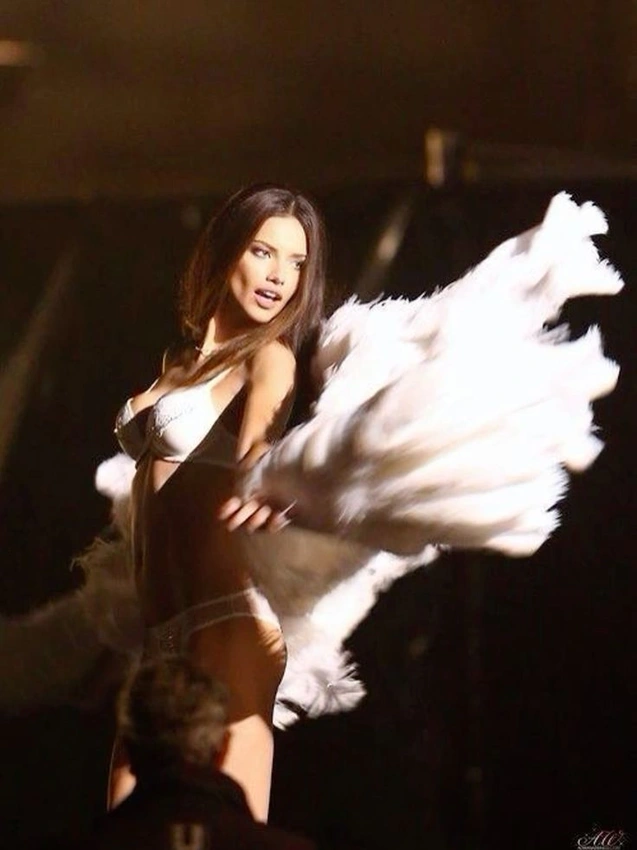
The catwalks on this date are no longer just performances for the audience; they are declarations. Women on the stage aren't walking for anyone anymore; they're walking as themselves and for themselves.
Coined by the film theorist Laura Mulvey in 1975, the “male gaze” describes the way women are portrayed through the eyes of heterosexual men: as passive subjects of desire, rather than active participants in their own narratives.
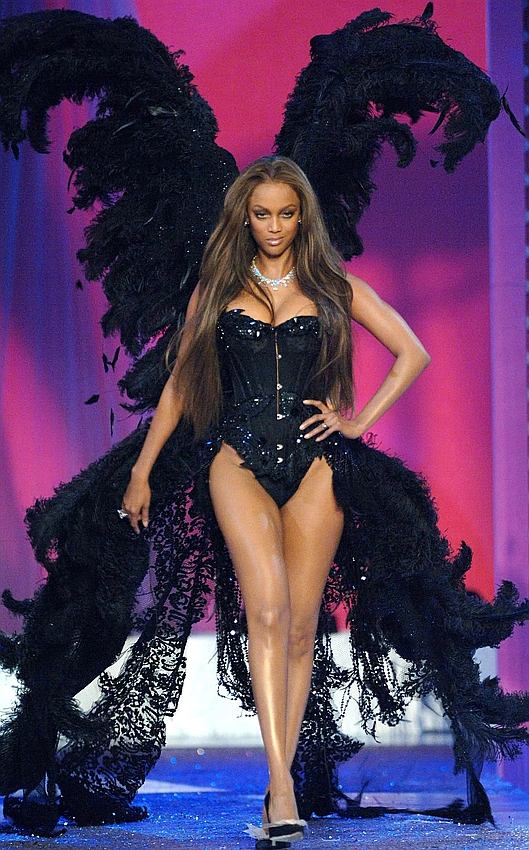
Fashion, for much of its history, wasn’t immune to this. In fact, it thrived on it. The 90s “supermodel era” was glamorous, yes, but it was also very deeply coded. Women like Cindy Crawford and Naomi Campbell were sold as untouchable fantasies, walking embodiments of perfection meant to mesmerize men and intimidate women. Sometimes it's horrifying to even think of it this way.
Fast forward to the 2020s, and the runway feels different. The camera angles have changed, but so has the attitude.
Fashion weeks now feature models who smile, stomp, and stare back. Instead of performing sensuality, they’re performing selfhood. Brands like Savage x Fenty, Collina Strada, and Mugler’s recent revivals have turned the runway into something more like a mirror: reflecting diversity, agency, and attitude.
When Rihanna launched Savage x Fenty in 2018, it was more than just a lingerie show, it was a reclamation. Her models weren’t accessories to the male fantasy; they were celebrations of the female form in all its shapes, colors, and textures. The show featured pregnant models, plus-size dancers, trans women, and disabled performers, proving that beauty wasn’t something to be defined; it was something to be embodied.
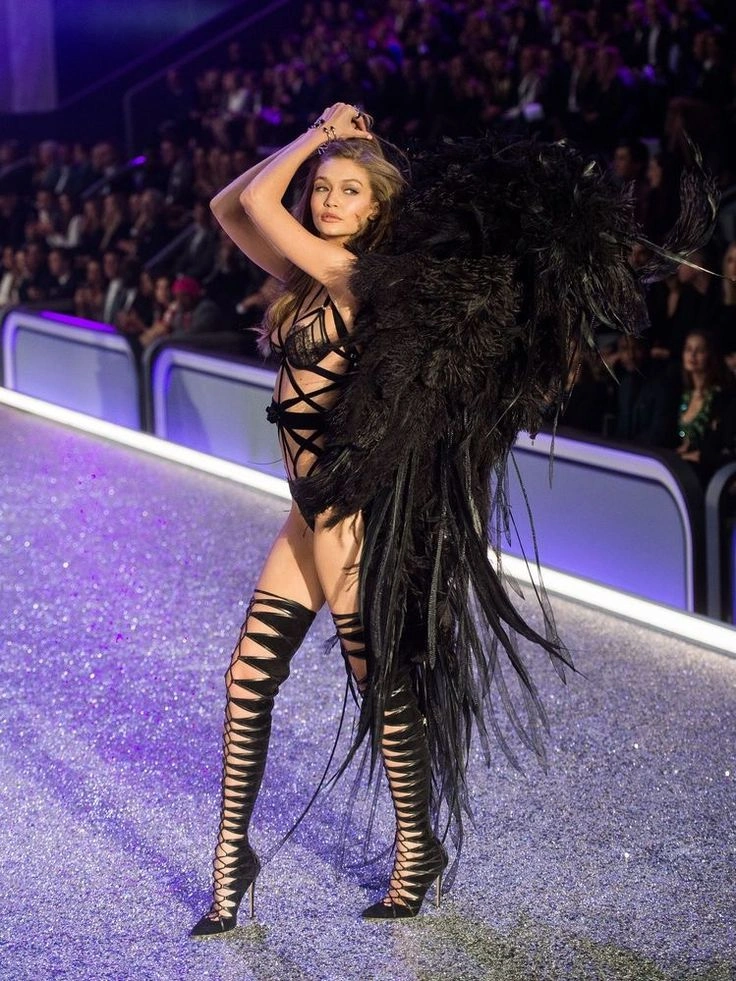
In contrast, the now-defunct Victoria’s Secret Fashion Show feels like a relic of the old world. What once symbolized glamour now reads like objectification in hindsight. Even the brand itself acknowledged this: rebranding with a new focus on “female empowerment” and replacing its Angels with ambassadors like Paloma Elsesser, Priyanka Chopra, and Adut Akech.
The audience has changed, and so has the mirror.
It’s not just the models, it’s the designers who are reshaping the gaze.
Female designers like Miuccia Prada, Maria Grazia Chiuri (Dior), and Stella McCartney are redefining sensuality through intellect and individuality rather than exposure.
Even Harris Reed, a gender-fluid designer, has reframed the concept of spectacle. His shows feature towering silhouettes and dramatic gowns, but they’re built to express identity, not to attract approval. “My work is about visibility,” he said in an interview with Vogue UK. “About taking up space: beautifully, unapologetically.”
It would be quite naive to say that the male gaze is completely gone. The fashion world still operates within capitalist structures that rely on attraction and aspiration. But what’s changing is ownership.
Women are reclaiming desire itself: not rejecting it, but redefining it. Wearing something sensual or revealing doesn’t mean it's dressing for men anymore; it can mean dressing for yourself. And that's the mentality people should have now.
The catwalks today, from Paris to Seoul to Lagos, they all tell a story far beyond hemlines and trends. They tell a story of women who are rewriting the script of visibility, one unapologetic step at a time.
And the new runway is not a place to be gazed at. It’s a place to exist: fiercely, freely, and fully.
