Why Do We All Need Subtitles Now?

Why Do We All Need Subtitles Now?
Why Do We All Need Subtitles Now?
Subtitles have moved from accessibility aids to everyday companions, kept on across devices as a quiet, stabilising backdrop. This essay explores how constant captions reshape leisure, work-life balance, and attention in
There is something faintly melancholic about the normalcy of subtitles. Once a specialised accessibility tool or a companion to foreign cinema, they now sit permanently switched on across laptops, televisions, and phones. Their ubiquity feels practical, even benign. Yet beneath this everyday adjustment lies a cultural shift worth lingering over, one that says as much about contemporary life as it does about media technology.
When Leisure Stops Being Leisure
Watching a film used to imply a certain stillness: a darkened room, sustained attention, the willingness to be carried by sound and image. Today, leisure rarely arrives intact. Streaming exists alongside emails, notifications, background chatter, the low hum of urban living. Subtitles emerge not merely as aids, but as stabilisers of textual anchors in environments that refuse silence.
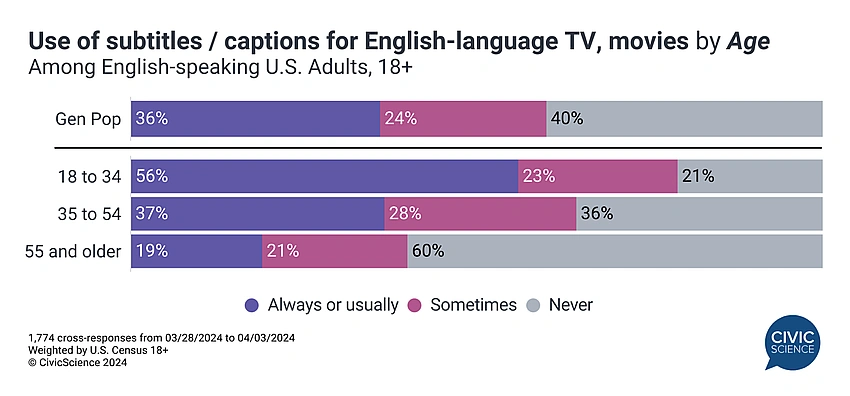
This is economic and social. In a culture where productivity bleeds into evenings and weekends, distraction is not accidental but structural. Leisure becomes fragmented, negotiated between obligations. Subtitles help us follow narratives in lives that seldom allow uninterrupted listening.
The Cognitive Load of Contemporary Media
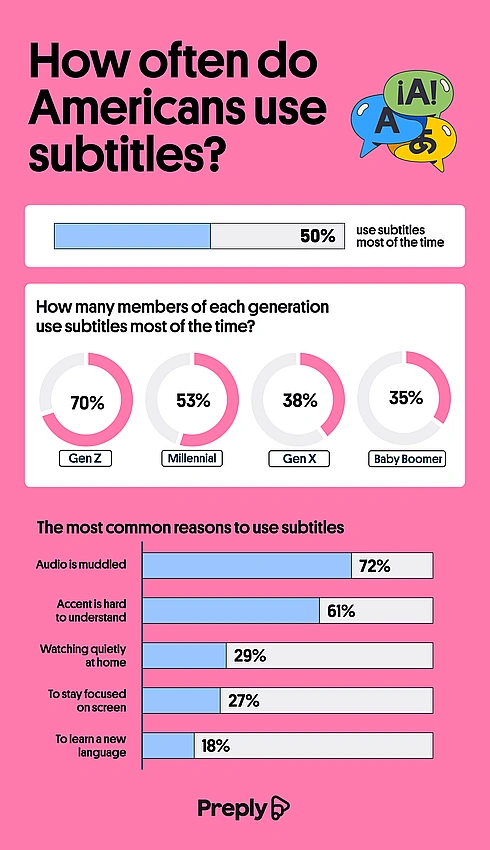
Modern sound design often privileges atmosphere over clarity. Dialogue is whispered, layered beneath music, textured with realism. Add to this the diversity of accents and multilingual scripts circulating globally, and comprehension becomes effortful. Subtitles, then, are less a preference than a strategy for managing cognitive load.
Research has shown that captions can improve comprehension and retention, even for hearing viewers. Words on screen reduce ambiguity, especially in noisy contexts or when attention is divided. What appears as convenience reflects a deeper fatigue: our senses working harder to extract meaning from increasingly dense audiovisual worlds.
Global Stories, Local Strain
There is, undeniably, something democratising about subtitles. They allow Korean dramas, Spanish thrillers, and German science fiction to travel across linguistic borders. They invite viewers into stories not originally meant for them, expanding cultural circulation beyond the tyranny of a single dominant language.
Yet the very conditions that make global access possible also intensify the strain on attention. We consume more, faster, across more contexts. Subtitles facilitate this flow, smoothing comprehension in a media landscape defined by excess.

Silence, Noise, and the Contemporary Sensorium
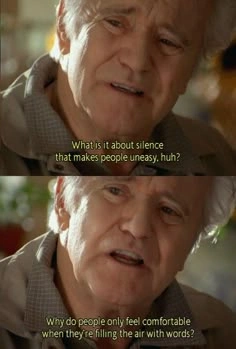
We inhabit a world saturated with sound: traffic, devices, overlapping conversations, ambient media. Even domestic spaces are rarely acoustically quiet. Watching without subtitles increasingly feels like swimming against the current of everyday noise.
Subtitles compensate for this sonic congestion. They translate not only language but environment, counteracting poor speakers, shared spaces, thin walls, public commutes. Their necessity gestures toward a broader sensory reality: silence itself has become scarce, almost luxurious.
Accessibility and Its Expanded Meanings
It would be reductive to frame subtitles solely through tragedy. Their widespread adoption also reflects a growing normalisation of accessibility. Captions benefit Deaf and hard-of-hearing viewers, language learners, neurodivergent audiences, and those navigating less-than-ideal listening conditions.

What has changed is that accessibility features no longer feel exceptional. They are folded into the default experience. This shift carries ethical significance: inclusion embedded within design rather than appended as an afterthought.
And yet, even here, an ambivalence lingers. When everyone “needs” subtitles, the distinction between accommodation and adaptation blurs. Are we witnessing greater inclusivity or collective adjustment to environments that make attentive listening increasingly difficult?
The Politics of Attention
Subtitles speak to a culture of divided attention. Many viewers report using them to maintain focus, to counteract distraction, to “catch every word.” The practice hints at a paradox: we turn to text to preserve immersion in an age that constantly erodes it.
Attention, once considered a personal faculty, now appears as a contested resource. Platforms compete for it; work colonises it; devices fracture it. Subtitles become prosthetics of concentration, assisting minds stretched thin across multiple demands.
A Small Text, A Larger Condition
The rise of subtitles is not a simple tale of preference or progress. It is entangled with how we live, work, and rest. With the erosion of silence, the density of media, the precarity of leisure. That tiny ribbon of text at the bottom of the screen is both a gift and a symptom.
A gift, because it opens access, sharpens comprehension, and allows stories to travel across bodies, languages, and circumstances. A symptom, because its necessity reminds us that sustained, unbroken, unhurried listening has become unexpectedly difficult.
Perhaps the question is not why we need subtitles now, but what their indispensability reveals: that leisure is increasingly negotiated, attention increasingly taxed, and quiet increasingly rare. Subtitles do not merely accompany our viewing; they quietly narrate the conditions under which viewing itself now occurs.
#SubtitlesEverywhere #ModernLeisure #StreamingCulture #AttentionEconomy #MediaTech
