UPI Fee Row Explodes: "Modi Tax" vs. Digital Future!

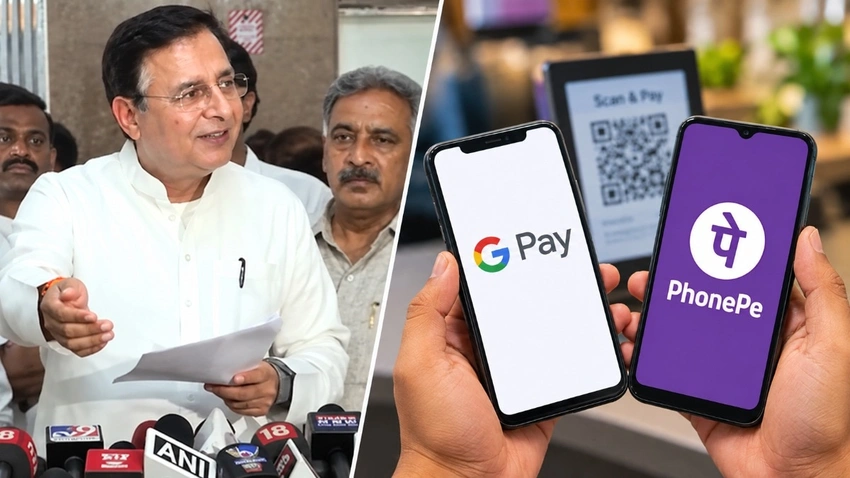
UPI Fee Row Explodes: "Modi Tax" vs. Digital Future!
A proposed 0.4% UPI fee ignites a fierce political battle in India! Rahul Gandhi calls it 'Modi Tax', BJP retaliates. Who pays for digital payments' future?
A proposed 0.4% merchant fee on select Unified Payments Interface (UPI) transactions exceeding ₹2,000 has plunged India into a heated political and economic debate. The move has sparked a major showdown, with the Congress party and its leader, Rahul Gandhi, branding it a "Modi Tax" and demanding an immediate rollback.
Rahul Gandhi didn't mince words, alleging the government is succumbing to US pressure and imposing additional burdens on the common people. This strong accusation has prompted a swift and equally strong rebuttal from the ruling BJP, which accuses Congress of misleading the public and insists that India's UPI policy remains entirely independent and sovereign.
The Reserve Bank of India (RBI), which put forward the framework, states that the fee is crucial for making digital payments financially sustainable. The argument is that these charges are necessary to support and maintain the robust infrastructure that underpins the massively popular UPI system. This perspective aligns with fintech voices who argue that the payment ecosystem requires sustainable funding to continue innovating and expanding.
However, the proposed fee has raised significant concerns among various stakeholders.
Retailers, for instance, have warned that these added costs could prove detrimental, potentially pushing small businesses and consumers back towards using cash, thereby undermining the progress made in digital adoption. PhonePe CEO Sameer Nigam has defended the framework, emphasizing the need for sustainability.
In contrast, former BharatPe co-founder Ashneer Grover has questioned the very premise of charging for UPI transactions, highlighting the public's expectation of free digital payments.
The broader question that looms over this entire controversy is fundamental: who should ultimately bear the cost of keeping the highly efficient and widely used UPI system operational? Is it the merchants, who often operate on thin margins? Should the government subsidize it entirely?
Or should the system itself find a way to generate its own revenue without impacting its widespread adoption and utility?
This debate continues to unfold, with significant implications for India's digital economy.
