Michigan's Political Battle: El-Sayed Navigates Islamophobia Amid Trump's Remarks
Michigan's Political Battle: El-Sayed Navigates Islamophobia Amid Trump's Remarks
Michigan's political landscape heats up as Democratic candidate Abdul El-Sayed faces a wave of Islamophobia. President Trump's controversial 'jihadist' comments stir national debate, impacting swing-state dynamics.
Michigan's political arena is abuzz as Democratic hopeful Abdul El-Sayed vies for a prominent position, navigating a complex landscape that includes a rising tide of Islamophobia. As Muslim politicians gain visibility across the nation, they increasingly confront bigotry, a challenge amplified by recent national rhetoric.
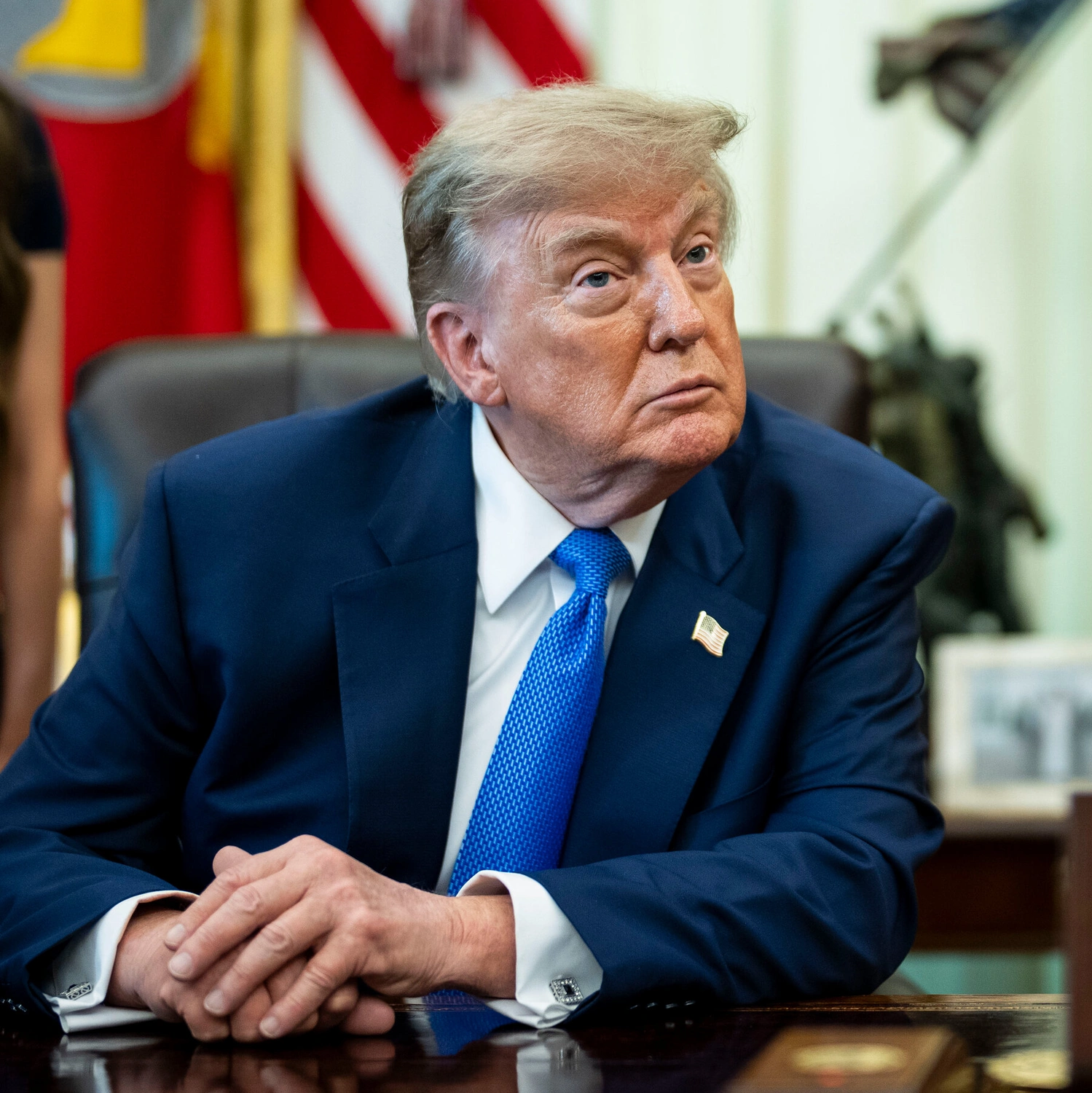
President Trump's controversial remarks have fueled these tensions, notably by characterizing Democratic candidates as "jihadists." He has also reportedly made disparaging comments about Somalis in the United States, suggesting "they’re not smart." These statements have intensified concerns among communities and political observers about the growing polarization and the impact of such language on public discourse and election outcomes.
For candidates like El-Sayed in crucial swing states such as Michigan, addressing these challenges head-on is paramount. Part of his strategy, according to reports, involves clearly articulating positions that aim to bridge divides, including the assertion that Jews have a right to a Jewish homeland. This approach seeks to reassure a broad spectrum of voters while countering the negative stereotypes and prejudice that have unfortunately entered the political fray.
The stakes are high in Michigan, a state often pivotal in national elections. The way voters respond to candidates like El-Sayed, and how political figures address issues of religious and ethnic identity, will undoubtedly shape not only the immediate election results but also the broader narrative of American democracy and inclusion.
