Exiled Prince Reza Pahlavi Pushes Democratic Iran, Eyes India Ties

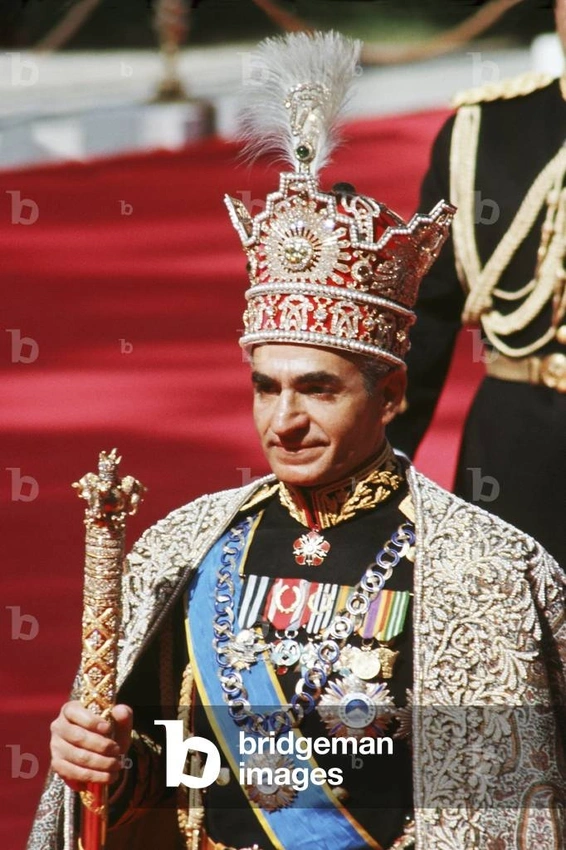
Exiled Prince Reza Pahlavi Pushes Democratic Iran, Eyes India Ties
Reza Pahlavi promotes a democratic Iran and closer cooperation with India, highlighting tech and renewable energy potential as he remains a vocal critic of the current regime.
Reza Pahlavi, the exiled crown prince of Iran, continues to shape the international conversation about his country’s political future. In recent public remarks, he reiterated his stance that the Islamic Republic regime should end, and he signaled that he could return to a Tehran in transition if a democratic order takes root. He has not shied away from urging intervention by global powers, including the United States, to accelerate changes he argues are urgently needed for Iran’s people. Supporters see him as a figure who could unify disparate opposition movements and restore Iran’s standing on the world stage; critics say his calls for external involvement risk unintended consequences inside Iran.
Amid the broader discourse, Pahlavi has also framed a post-revolution Iran as one that would seek closer ties with India. He has highlighted historic cultural links and mutual interests, arguing that a democratic Iran could become a reliable partner in technology, science, and renewable energy. In statements picked up by Indian media, he suggested that Tehran’s future collaboration with New Delhi could help both nations diversify energy sources and accelerate innovation. He has been quoted as envisioning a bilateral channel focused on sovereignty and shared prosperity, with India playing a central role in trade, education, and research collaboration.
The tone from Indian outlets, including a recent feature from a major Indian newspaper, paints a consistent picture: an exiled prince who believes political change is possible and who sees India as a natural ally in a rebalanced regional order. While observers caution that talk of intervention and a distant timetable for Iran’s transformation remains speculative, the interviews signal a potential realignment of expectations for bilateral cooperation once Iran achieves political freedom. In New Delhi’s policy circles, the conversation centers on how to engage a future Iran that respects sovereignty while pursuing shared technological and energy goals.
As this narrative unfolds, analysts say the practical impact will hinge on Iran’s internal dynamics and the international community’s willingness to respect sovereignty. Still, the prospect of deeper cooperation with India—especially in technology transfer and renewable energy—offers a tangible thread linking the two neighbors, even as they navigate complex regional tensions. The coming months will indicate whether these visions translate into concrete diplomacy on the ground or remain aspirational rhetoric.
