Manosphere: A Toxic Movement or a Masterful Money Machine?

Manosphere: A Toxic Movement or a Masterful Money Machine?
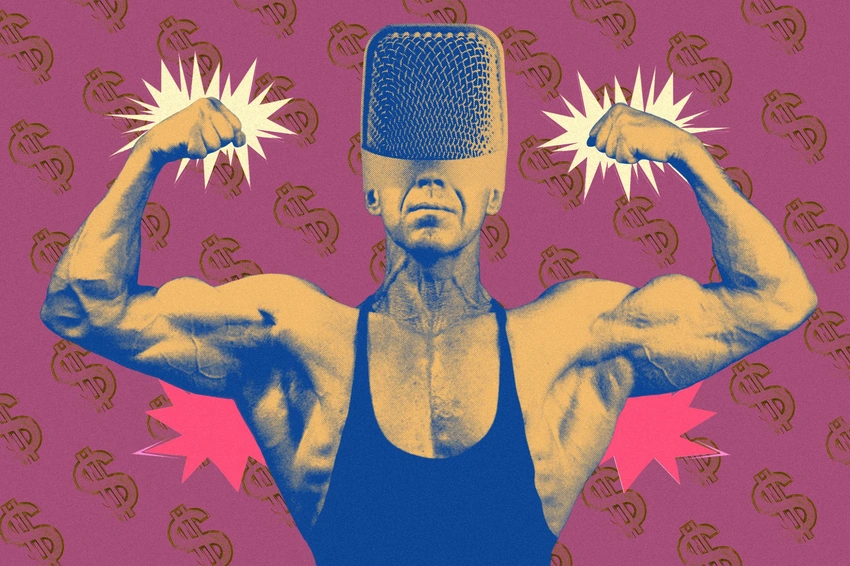
Forget the 'movement.' The Manosphere is a multibillion-dollar industry exploiting young men's insecurities, selling them empty promises and expensive 'solutions.' It's clever, but predatory.
Unpacking the 'Manosphere': Not a Movement, But an Industry
Let's be brutally honest about the so-called 'manosphere.' While it's often framed as a cultural phenomenon or a burgeoning social movement, that narrative misses the fundamental truth. It's a multibillion-dollar grievance industry . And it's operating with ruthless efficiency.
Think about it. We're seeing a clear pattern where many young men, perhaps feeling lost or unheard, are being expertly driven into a state of resentment. It's a calculated cultivation of discontent that creates a market for 'answers.' Once that fertile ground of frustration is established, the financial exploitation kicks in.
It's about profit, plain and simple.
The Product is You (and Your Wallet)
What are these influencers and gurus actually selling?
It’s a sophisticated ecosystem of monetized despair:
- Expensive Classes: Promising everything from dating success to financial freedom, often repackaging common sense or highly questionable advice into pricey, exclusive courses.
- Questionable Pills and Supplements: Marketed as quick fixes for low energy, confidence, or physical prowess, these often come with dubious scientific backing but hefty price tags.
- The Illusion of Clout: Selling access, recognition, or a sense of belonging within a seemingly exclusive community. This is particularly potent for those seeking identity or validation.
Each of these offerings is designed to capitalize on the very insecurities and grievances that are simultaneously being amplified. It’s a vicious cycle where the 'problem' is exacerbated to sell the 'solution.' The product isn’t truly self-improvement; it’s the illusion of it, wrapped in a package of grievance-fueled consumerism.
More Marketing Than Manifesto
We need to shift our perception. This isn't a grassroots movement bubbling up from genuine male disaffection (though that disaffection can be very real and deserves attention). Instead, it's a highly refined marketing strategy.
Influencers have mastered the art of audience segmentation, emotional manipulation, and direct-to-consumer sales, all while masquerading as thought leaders or saviors.
They understand that resentment is a powerful motivator, and they're expertly turning it into revenue.
When you see discussions around the 'manosphere,' always ask: Who benefits financially from this narrative?
More often than not, the answer points to a network of individuals and entities making significant bank off the back of manufactured grievances and exploited vulnerabilities.
It's time we recognize it for what it truly is: a clever, albeit deeply cynical, business model.
