Nepal Seeks Stronger India Ties, Rejects Third-Party Border Mediation

Nepal Seeks Stronger India Ties, Rejects Third-Party Border Mediation
Nepal's Foreign Minister Shisir Khanal advocates for resolving border disputes with India through existing bilateral mechanisms, emphasizing a future-focused partnership over past anxieties. A major step towards regional
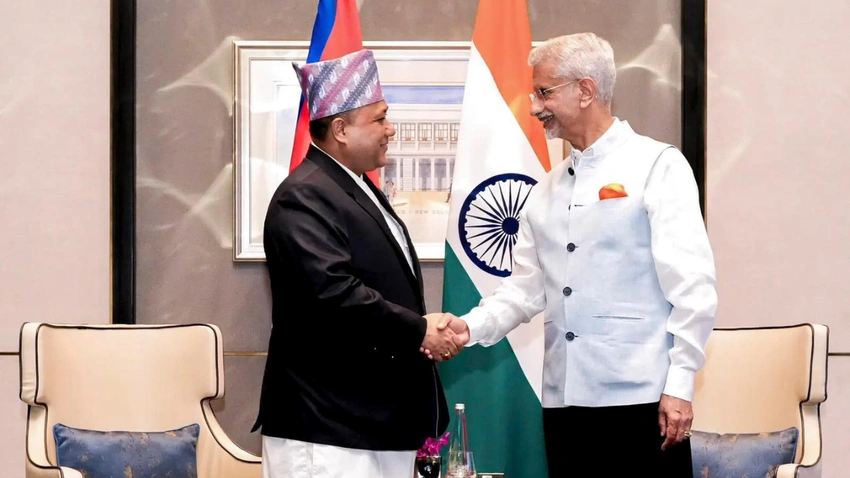
Nepal is keen on resolving its long-standing border disputes with India through established bilateral channels, firmly rejecting any external mediation. This clear stance was articulated by Nepal’s foreign minister, Shisir Khanal, during his recent visit to New Delhi, where he met with External Affairs Minister S. Jaishankar.
Khanal underscored Nepal’s commitment to shifting its relationship with India from "geopolitical friction" towards a more robust "development diplomacy." He highlighted the importance of a partnership not "constrained by the anxieties of the past" but instead driven by the promise of a shared future. This approach aligns with India’s consistent position against third-party involvement in their bilateral issues.
The discussions primarily focused on sensitive border regions such as Limpiyadhura, Lipulekh, and Kalapani, which Nepal has historically claimed. While Nepal’s Prime Minister Balendra Shah had previously alluded to potential roles for China and the UK in settling the dispute, Khanal clarified that Nepal's preference is for direct bilateral negotiations. He also mentioned Shah's reference to the Treaty of Sugauli of 1816 and Nepal's desire to access historical documents, possibly from the UK, to support its claims.
Beyond border issues, the foreign minister called for the revival of "dormant bilateral mechanisms" and high-level political exchanges to strengthen overall ties. His visit saw comprehensive discussions on various areas including trade, connectivity, energy cooperation, water resources management, and bolstering people-to-people connections. The overarching goal is to foster economic growth and innovation, moving past historical anxieties to build a resilient and forward-looking partnership.
