Why Boy Band Obsession Isn’t a Phase—It’s a Cultural Identity We Should Proudly Claim

Why Boy Band Obsession Isn’t a Phase—It’s a Cultural Identity We Should Proudly Claim
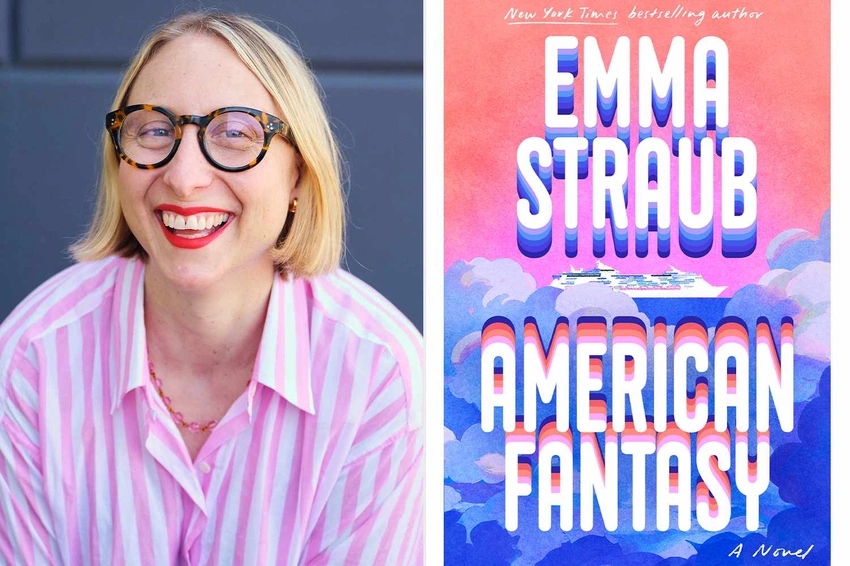
Stop apologizing for your bedroom posters. Author Emma Straub proves that our boy band nostalgia is a valid cultural identity and a vital part of growing up.
Remember the feeling of peeling the plastic off a new CD? Or the way your heart skipped when your favorite member of a boy band looked directly into the camera during a music video? For years, society has dismissed these moments as frivolous or silly. We were told it was just a phase, something we would eventually outgrow in favor of more serious interests.
But author Emma Straub is making a compelling case for a different reality in her latest work. By highlighting how these groups served as the guardian angels of puberty, she is giving a voice to a generation that was often mocked for its passions. These groups were not just pop stars. They were the safe spaces where many of us first learned about desire, community, and the power of shared enthusiasm.
The Weight of Our Memories
When we look back at our fangirl years, we are not just looking at old posters. We are looking at a foundational part of our identity. The passion we felt for a five piece harmony group was not a distraction. It was a training ground for deep emotional investment. This kind of intense focus and dedication is often what drives the most successful people in the creative and business worlds today.
Why We Need to Stop the Shame
- Community Building: Fangirls created some of the first massive social networks before modern internet platforms even existed.
- Emotional Safety: Boy bands offered a bridge between childhood and the complexities of adult relationships.
- Creative Inspiration: These obsessions often lead to fan fiction, digital art, and lifelong professional skills.
It is time to stop treating our past selves with irony or embarrassment. When we talk about embracing our inner fangirl, we are inviting ourselves to be more authentic. This is not about living in the past. It is about acknowledging that the joy we felt then is just as valid as any other cultural milestone.
A New Cultural Standard
We live in a world that often scrutinizes things enjoyed primarily by young women. By reclaiming this nostalgia, we are validating the experiences of millions. Whether the object of affection was the Beatles, New Kids on the Block, One Direction, or BTS, the medium might change but the magic remains the same.
So, dust off those old tracks and turn the volume up. Being a fangirl is a lifelong membership to a club that understands the transformative power of a perfect pop hook. It is not a phase. It is a beautiful, loud, and essential part of the human experience.
