France in turmoil as killing of activist sparks far-right vs far-left clashes

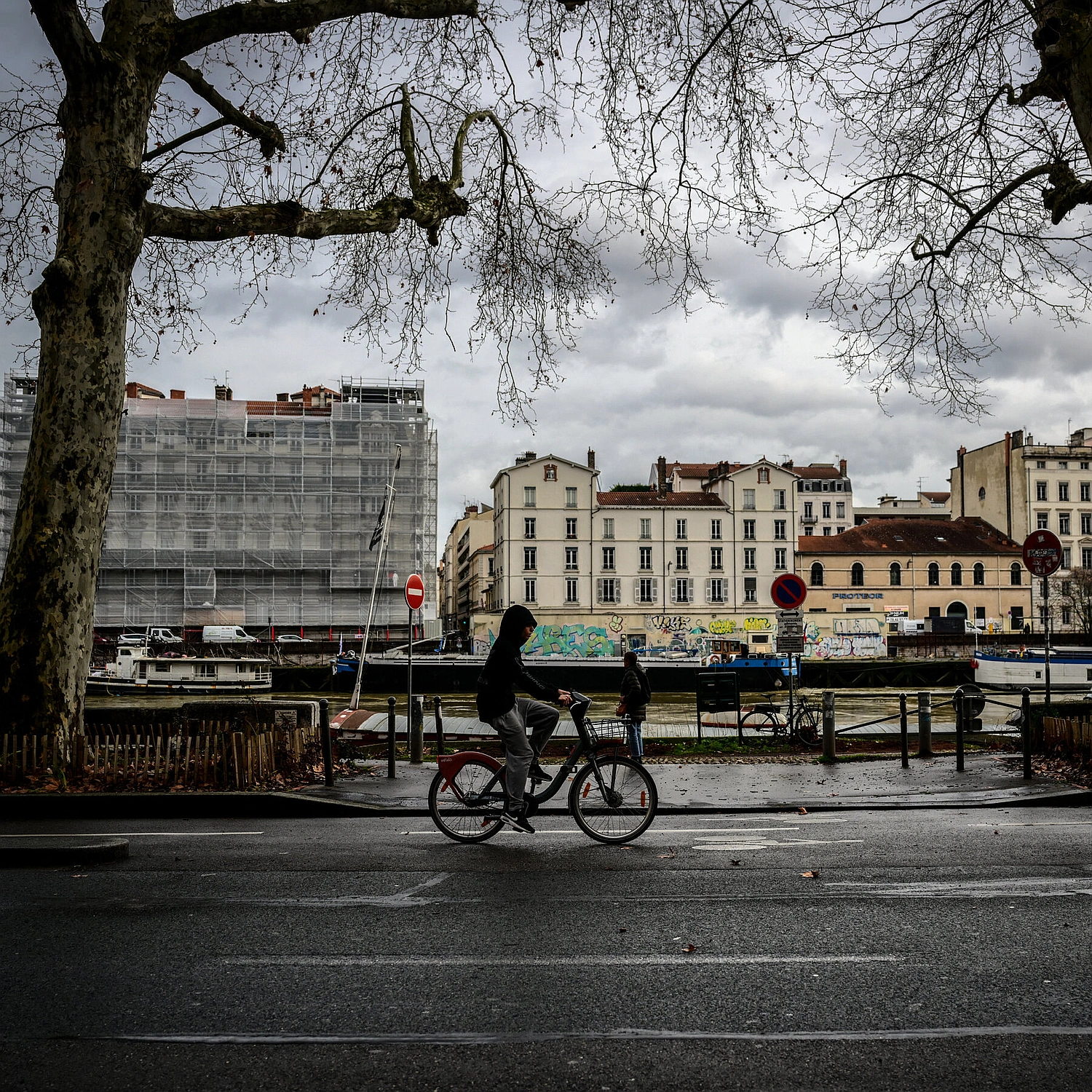
France in turmoil as killing of activist sparks far-right vs far-left clashes
Killing of Quentin Deranque inflames France's political divide as arrests mount and tensions rise ahead of local and national elections.
Quentin Deranque, a 23-year-old mathematics student, died after a brutal beating that prosecutors say involved at least six attackers during a protest in Lyon. The death has become a focal point in France’s fraught political climate, intensifying tensions between far-right and far-left groups as the country prepares for municipal elections next month and a presidential contest next year.
Authorities say 11 people are in detention in connection with the killing, a development that followed an initial wave of nine arrests. Among those detained is a parliamentary aide to a hard-left lawmaker, reflecting how partisan lines are gripping the investigation and fueling accusations from both sides. The case has drawn condemnations from La France Insoumise (LFI) figures and sparked demonstrations in support of Deranque, underscoring the country’s deep political fault lines.
The incident occurred as Deranque—described by supporters as a protector of the protest against a conference attended by Rima Hassan, a European Parliament member for LFI—was allegedly targeted amid clashes involving the anti-immigration Némésis collective. The group claimed Deranque had been there to protect its members and was attacked by opponents in what witnesses described as a chaotic confrontation. Investigators have not disclosed all motives, but the episode is being treated as a violent act with political overtones that could reverberate through the coming electoral calendar.
Politically, the killing has inflamed debates about immigration, extremism, and the integrity of political activism in France. Analysts say the case could influence voter sentiment in Lyon and beyond, with local elections around the corner and national polls pointing to the far-right National Rally potentially performing strongly in 2027. Public rallies have erupted in support of Deranque, while lawmakers from both sides call for calm and a thorough, transparent inquiry. The prosecutor’s office has promised a detailed update as the investigation continues, amid a climate where every new detail risks fueling further polarization.
As France grapples with these tensions, the cases being heard in Lyon illustrate how political violence lurks at the edges of a democratic system, challenging leaders to condemn violence unequivocally while ensuring due process for all suspects. The coming weeks will test France’s capacity to separate protest from coercion, and to navigate a political landscape where every election feels pivotal.
