The Legacy of Folklore: Taylor Swift and the Sound of 2020s


The Legacy of Folklore: Taylor Swift and the Sound of 2020s
The Legacy of Folklore: Taylor Swift and the Sound of 2020s
When people look back on the cultural landscape of the 2020s, certain works will feel inseparable from the decade itself. Not because they were the loudest, but because they captured something difficult to articulate. Taylor Swift’s folklore, released in July 2020, belongs firmly in that category.
The album arrived during one of the strangest moments in recent history. Much of the world was in lockdown. Public life had contracted into bedrooms, screens, and anxious routines. The dominant language of popular culture before the pandemic had often been built around spectacle, visibility, and relentless self-presentation. Then folklore appeared with almost no warning. It was quiet, grey-toned, introspective, and strangely literary.
More than five years later, its legacy feels larger than its commercial success. folklore did not simply become one of the defining albums of 2020. It helped reshape the emotional and aesthetic vocabulary of the decade itself.
 The Album That Matched the Mood
What made folklore so significant was its timing. While many artists attempted to maintain the energy of pre-pandemic pop, Swift leaned into uncertainty. The album abandoned the bright maximalism of Lover and instead embraced muted production, fragmented narratives, and fictional storytelling. Collaborations with Aaron Dessner of The National and long-time producer Jack Antonoff created a soundscape built around piano, acoustic textures, and restrained arrangements.
Listening to folklore in 2020 felt like opening a diary that belonged to nobody and everybody at once. Songs such as "Cardigan", "August", and "Epiphany" explored loneliness, memory, and longing without offering easy resolutions. The album reflected a world suspended in time.
This was perhaps its greatest achievement. Rather than providing escapism, folklore offered recognition. It gave listeners language for experiences that felt otherwise difficult to express.
The Rise of Literary Pop
One of the most enduring effects of folklore has been its influence on how mainstream audiences engage with songwriting. Swift had always been recognised as a lyricist, but this pushed her work further into the realm of narrative fiction. Characters appeared. Timelines overlapped. Songs spoke to one another. Listeners became readers as much as audiences.
The album encouraged a renewed appreciation for storytelling within popular music. In many ways, it blurred distinctions between contemporary pop, indie folk, and literary narrative. Critics and scholars alike became interested in analysing its interwoven stories and recurring motifs. The fact that folklore has become the subject of academic discussions speaks to how successfully it crossed the boundary between entertainment and literary text.
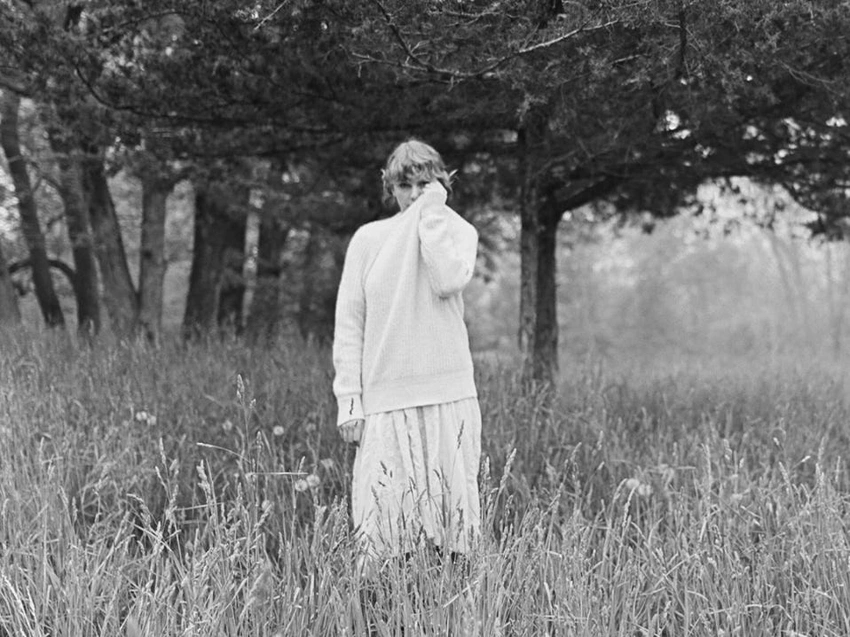 Its influence can be seen throughout the decade. A growing number of artists have embraced quieter songwriting, character-driven narratives, and emotionally detailed lyricism. What had once been considered niche indie aesthetics suddenly became central to mainstream culture.
Changing the Shape of Pop Stardom
For much of the 2010s, pop stardom was tied to visibility. Artists were expected to dominate social media, sustain constant publicity cycles, and perform a highly curated version of authenticity. folklore disrupted that model. Swift disappeared from the promotional machinery that usually accompanies major releases. There were no elaborate countdowns, no months-long campaigns, and very few interviews.
Instead, the music became the event.
The surprise release strategy was not entirely new, but folklore demonstrated how powerful it could be when paired with artistic reinvention. The album suggested that mystery and restraint could generate as much cultural attention as constant exposure. Its success encouraged a broader shift in how artists approached releases during the early 2020s.
 The Album That Expanded Taylor Swift
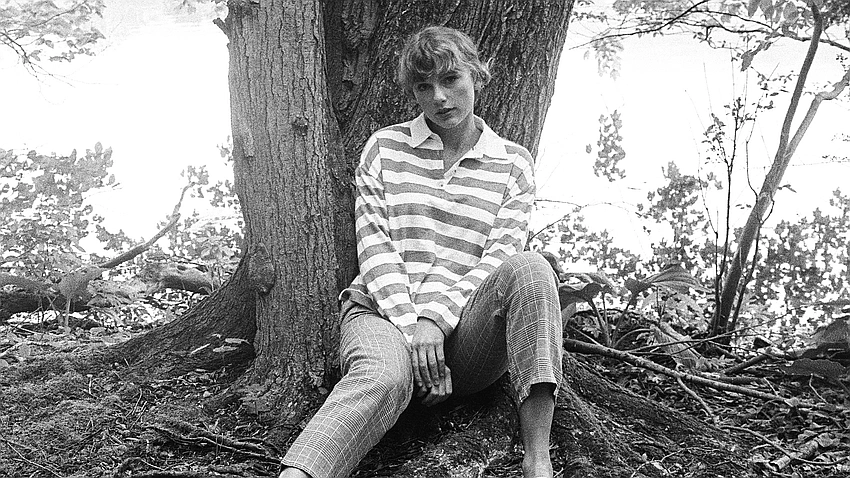
Perhaps the most remarkable aspect is how thoroughly it transformed Swift's own career.
By 2020, she was already one of the most successful musicians in the world. Yet folklore reframed public understanding of her work. Rather than being viewed primarily through the lens of pop stardom, she began to be discussed as an artist capable of moving between genres while maintaining a distinct authorial voice.
The album's critical acclaim culminated in Swift winning the Grammy Award for Album of the Year, making her the first woman to win the category three times. The achievement reinforced the idea that folklore was not merely a successful release but a pivotal cultural moment.
Its influence extended into her later work, the Eras Tour, and the broader mythology surrounding her career. Even now, many listeners identify folklore as the project that deepened their engagement with her music.
A Legacy of Intimacy
The lasting legacy of folklore is not simply that it was popular. Plenty of albums achieve commercial success. Few manage to alter the emotional atmosphere of a decade.
The album arrived at a moment when people were reconsidering what mattered. Its themes of memory, isolation, fantasy, grief, and connection reflected broader cultural concerns that continue to shape the 2020s. It helped normalise vulnerability within mainstream pop and contributed to a renewed interest in slower, more reflective forms of artistic expression.
In a decade defined by noise, acceleration, and endless digital performance, folklore succeeded by doing the opposite. It asked listeners to sit still, pay attention, and inhabit uncertainty.
That is why its influence persists. The album did not merely soundtrack the early 2020s. It helped define how the decade feels when remembered.
#TaylorSwift #Folklore #DecadeSound #MusicAnalysis #CulturalImpact
