India-US Trade Framework Seen as Hit to Strategic Autonomy

India-US Trade Framework Seen as Hit to Strategic Autonomy
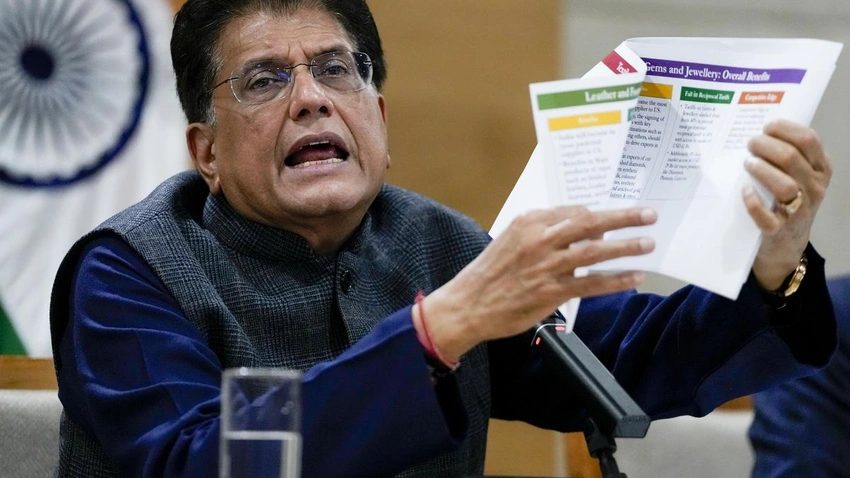
A new interim trade framework with the U.S. promises broad tariff cuts and multi-year purchases, but critics warn it could compromise India’s strategic autonomy.
A February 6 joint statement announced a framework for an Interim Agreement on reciprocal and mutually beneficial trade with the United States. Critics say the terms could tilt the balance in favor of a much larger economy, potentially undermining India's economic and strategic interests.
Under the framework, India would offer zero or reduced tariffs on all U.S. industrial goods and a wide range of U.S. food and agricultural products. The list includes dried distillers’ grains, red sorghum for animal feed, tree nuts, fresh and processed fruit, soybean oil, wine and spirits, and additional items. India would also seek to remove non-tariff barriers on U.S. exports of ICT goods, medical devices, and other agricultural products, according to the document. India has signaled an intention to purchase $500 billion worth of U.S. energy products, aircraft and aircraft parts, precious metals, technology products, and coking coal over the next five years as part of the framework.
The U.S. has long been the top destination for Indian goods, and in 2024-25 exports to the United States totaled about $86 billion, accounting for more than 19% of India's total exports of roughly $437 billion. Supporters argue the framework could unlock growth and attract investment, but opponents warn it risks exposing sensitive sectors to greater competition and reducing policy space.
As the framework is negotiated, questions remain about how minimally balanced the terms truly are and what safeguards will exist to protect critical industries and energy security. Observers say decisions on this framework could reshape India's foreign trade architecture and its geopolitical posture in the years ahead.
