Hair-pulling in 2026: Is it time to change the Premier League law?

Hair-pulling in 2026: Is it time to change the Premier League law?
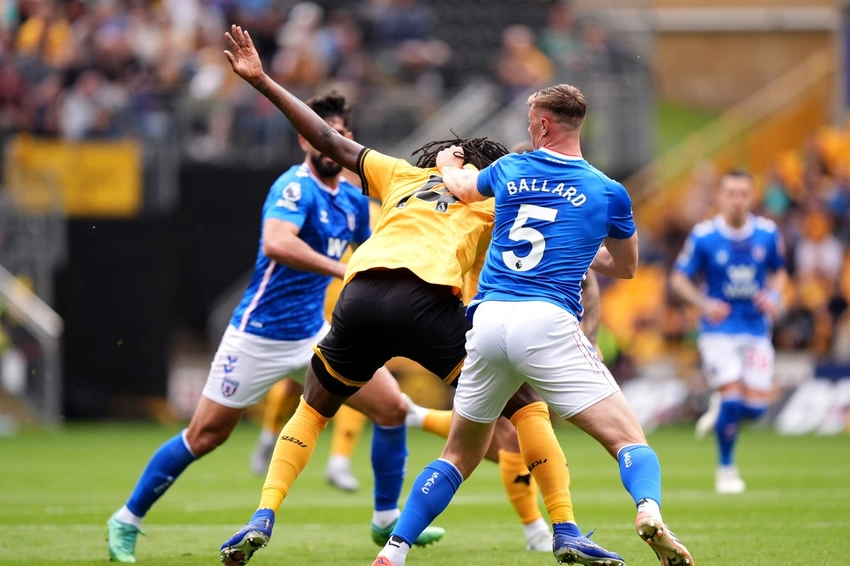
Dan Ballard's hair-pull red card sparks debate on whether the act should have its own category and different bans in the Premier League.
Dan Ballard’s red card for pulling an opponent’s hair has sparked a fresh debate about whether hair-pulling should sit in a separate category within Premier League discipline. The Sunderland defender is the third player this season to be sent off for hair-pulling, underscoring how the offence continues to divide observers over its severity.
Some incidents appear more accidental than violent, such as hair-pulls in aerial battles that leave referees with tough calls and fans asking for nuance in punishment. When Martinez of Argentina pulled the braids of Tolu Arokodare in a recent aerial duel, the incident was cited as an example of how some pulls do not clearly fit a single category of violence, prompting calls for a more graduated approach to bans.
Former top referee Darren Cann has argued that the current system lumps all hair-pulling into violent conduct, which can lead to inconsistent suspensions. He suggested creating a separate category for hair-pulling or implementing a sliding scale of bans—perhaps one to three games depending on the severity of the pull. Cann noted that there is precedent for nuance in football law, citing how biting or spitting carries separate treatment and different ban lengths, even though they’re still serious offences.
The discussion hasn’t stopped at officials’ desks. Coach and pundit voices, including Regis Le Bris, have questioned how hair-pulling rules are applied in real matches. Ballard’s red card in Sunderland’s draw with Wolves has amplified calls for clearer guidelines so that punishment reflects the level of force and intent involved. Until stakeholders agree on a new framework, the league faces ongoing disagreements about fairness and consistency in disciplinary decisions.
