Dorian Gray: The OG Beauty Filter Nightmare & Why It’s STILL Iconic!
Dorian Gray: The OG Beauty Filter Nightmare & Why It’s STILL Iconic!
Forget your sad TikTok trends- Oscar Wilde's 'The Picture of Dorian Gray' serves up the ultimate aesthetic tragedy. We're talking toxic beauty, corrupted souls, and why this Victorian drama feels *too* real for our scrol
Dorian Gray: The OG Beauty Filter Nightmare & Why It’s STILL Iconic!
Alright, buckle up buttercups, because we're not just 'discussing' The Picture of Dorian Gray today, we're dissecting it. Forget your fleeting TikTok trends and curated Instagram feeds- Oscar Wilde's masterpiece is the original, unfiltered, unhinged deep-dive into the cult of aestheticism, and frankly, it's the ultimate aesthetic tragedy. Like, ever.
This isn't some dusty classic you skimmed for English class. This is a mirror to our souls, a warning that landed like a Victorian mic drop and still echoes in every influencer's sponsored post. It's not just a cautionary tale; it's a screaming siren about what happens when you chase beauty and pleasure above everything else.
And trust me, it gets dark.
The OG Devil's Bargain: Vanity Edition
Dorian Gray, a vision of youth and beauty, wishes his portrait would age instead of him. Sounds like a dream, right? Eternal youth, flawless skin- the ultimate beauty hack!
But this isn't some harmless face filter; this is a literal soul-swapping pact that makes Faust look like a walk in the park. His wish is granted, and the painting becomes the hideous canvas of his sins, while Dorian remains perpetually, unnervingly beautiful.
Talk about commitment to the bit! It's about the relentless pursuit of superficial perfection. Wilde basically predicted our entire social media culture, where everyone's trying to keep up appearances while their inner lives... well, let's just say they're not always as picture-perfect.
Lord Henry: The Ultimate 'Problematic Fave' Influencer
And who's to blame for this spiraling mess?
Enter Lord Henry Wotton, the original chaos agent, the OG problematic influencer. He doesn't just suggest ideas; he seduces Dorian with them.
His hedonistic philosophy, his 'cultivate your senses' spiel, his witty but ultimately soul-destroying advice- it's all pure poison, delivered with the charm of a snake charmer.
It's a cultural pattern . Think about how easily we're swayed by charismatic voices online, how quickly we adopt new philosophies (or diets, or aesthetics) without questioning the long-term cost. Lord Henry is that voice, whispering sweet nothings of self-indulgence, and Dorian, bless his beautiful, naive heart, drinks it all in.
'The only way to get rid of a temptation is to yield to it,' he famously says.
And yield, Dorian does.
The Real 'Glow Up' Nobody Wants
As Dorian descends into a life of moral decay, drug addiction, and casual cruelty, his perfect face remains untouched.
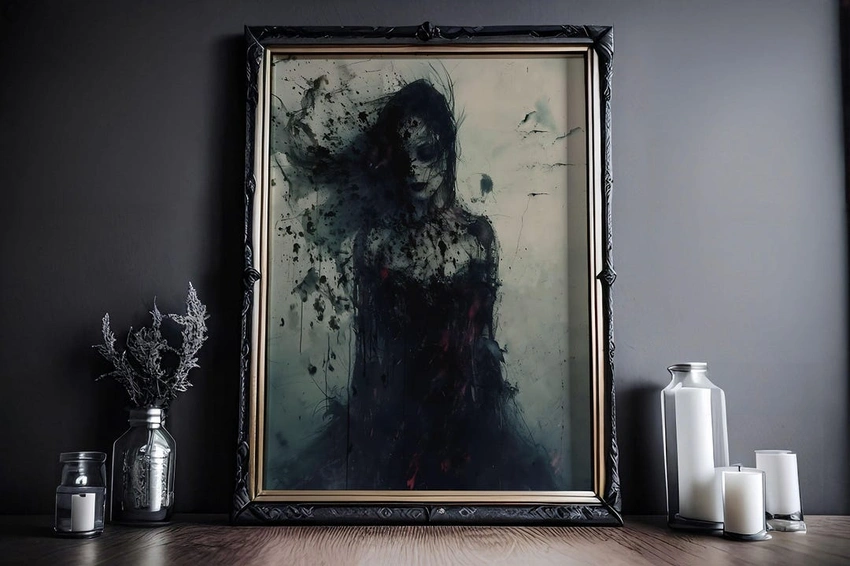
Meanwhile, the portrait- the true reflection of his soul- becomes a grotesque horror show. It's the ultimate 'glow up' gone wrong.
He's got the external perfection everyone craves, but his inner self is rotting faster than week-old leftovers.
This is why it's the ultimate aesthetic tragedy. It's not just about a pretty boy making bad choices. It's about the failure of aestheticism when divorced from morality.
Wilde, a champion of aestheticism himself, brutally exposes its dark underbelly, showing that beauty alone cannot sustain a soul, and in fact, can become a prison.
The painting isn't just a symbol; it's a witness to every whispered lie, every broken heart, every moral compromise.
Why Are We STILL Obsessed?
So, why does this Victorian tale still hit different in the age of Instagram filters and plastic surgery? Because we're all, to some extent, chasing Dorian's dream. We want to present a flawless version of ourselves to the world, often at the expense of authenticity, kindness, or even our own mental health.
We curate, we filter, we project, and sometimes, our 'portraits' online become far removed from our reality.
The Picture of Dorian Gray forces us to confront the uncomfortable truth: if our external perfection hides an internal rot, what have we truly gained? It's a timeless, brutal mirror, reflecting our enduring anxieties about beauty, youth, and the true cost of living a life devoid of genuine connection and moral integrity.
