Danube Drought Crisis: Nuclear Plants in Hungary & Romania on Brink!

Danube Drought Crisis: Nuclear Plants in Hungary & Romania on Brink!
Extreme drought has pushed nuclear power plants in Hungary and Romania to the brink. Discover how record-low Danube levels are creating an energy crisis in Europe. #DanubeDrought
Europe is grappling with a severe environmental and energy crisis as extreme drought conditions have pushed the mighty Danube River to historically low levels, directly threatening the operation of crucial nuclear power plants in Hungary and Romania. This unprecedented situation highlights the vulnerability of essential infrastructure to climate change and extreme weather events.
Hungary's Prime Minister Péter Magyar revealed that the country came "within millimetres" of being forced to shut down one of its nuclear power plants. The drastic reduction in the Danube's water levels, essential for cooling the reactors, brought the nation perilously close to an energy catastrophe. Such a shutdown would have significant implications for Hungary's power supply and economic stability, underscoring the urgent need for solutions to adapt to the changing climate.
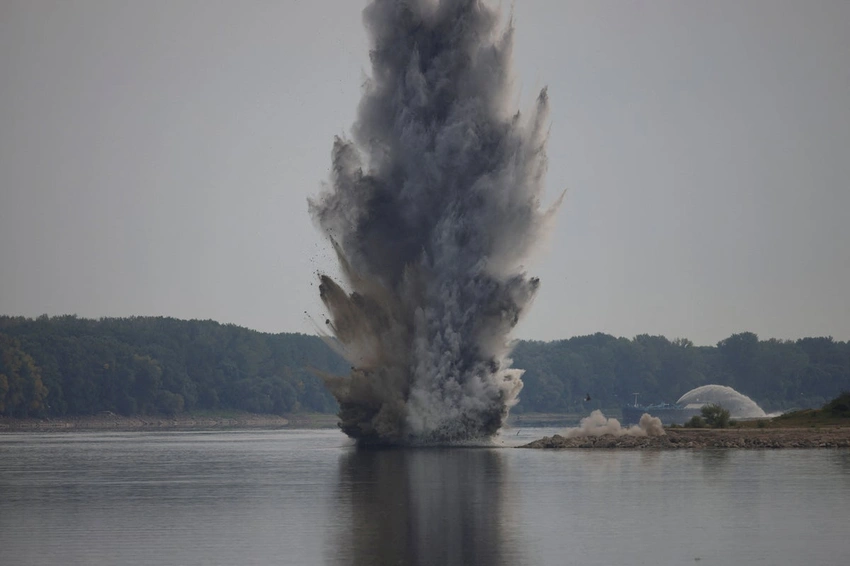
Meanwhile, neighboring Romania has already taken drastic measures to safeguard its energy production. The Romanian naval forces recently conducted controlled explosions in the drought-stricken Danube. The purpose of these unusual actions was to blast away underwater rock formations, thereby diverting water flow towards the Cernavoda nuclear power plant. This critical intervention aims to ensure that the plant receives adequate water for its cooling systems, preventing a potential reduction in output or even a shutdown.
The Cernavoda plant is a cornerstone of Romania's energy grid, and its stable operation is vital for the country's power security. The efforts to manipulate the river's path demonstrate the extraordinary lengths nations are willing to go to maintain essential services amidst ecological challenges.
The ongoing drought and its impact on the Danube also serve as a stark reminder of the interconnectedness of natural resources and energy production. As water levels continue to fluctuate due to prolonged dry spells and heatwaves across Europe, the region faces an escalating risk of energy instability and calls for a re-evaluation of long-term energy strategies, including resilience planning for climate-related events. This crisis isn't just about water; it's about the future of Europe's energy landscape.
