The Brutal Math of Quitting 20 Million Barrels of Oil Overnight

The Brutal Math of Quitting 20 Million Barrels of Oil Overnight
Everyone loves the idea of an overnight green revolution, but replacing 20 million barrels of oil a day is a mathematical nightmare. Here is why the energy transition will be much messier than we want to admit.
Let us get real for a second about our global energy appetite. We all scroll through social media and see shiny promises of a rapid, seamless shift to green energy. But there is a massive elephant in the room, and it comes down to simple, brutal math.
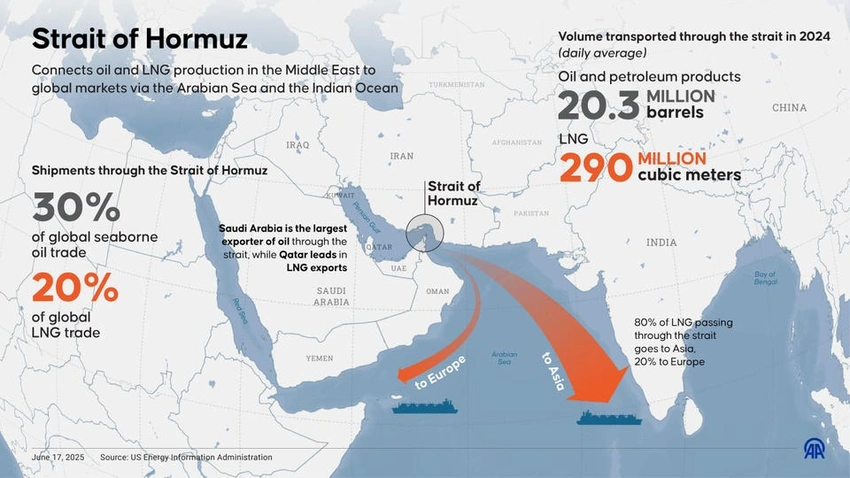
Right now, more than 20 million barrels of oil and liquefied natural gas flow through the Strait of Hormuz every single day. That is not just fuel for cars. That is the lifeblood of global shipping, aviation, manufacturing, and agriculture. If that supply were suddenly cut off, could we just flip a switch and replace it?
The short answer is absolutely not.
The Scale Problem
When we talk about replacing 20 million barrels a day, we are talking about an astronomical amount of energy. Building enough solar panels, wind turbines, and battery storage to offset even a fraction of that daily flow takes years, billions of dollars, and massive amounts of raw materials. We cannot just manifest infrastructure out of thin air.
Why the Hype Misses the Mark
We love a good tech narrative. We want to believe that innovation will instantly solve our fossil fuel dependency. But the transition away from fossil fuels is not a software update. It is a slow, heavy, physical overhaul of the entire global economy. Here is what stands in the way of a quick fix:
- Grid Capacity: Our current electrical grids cannot handle a sudden massive surge in demand.
- Supply Chains: Mining the lithium, cobalt, and copper needed for a total green overhaul faces severe bottlenecks.
- Global Demand: Even as renewables grow, our total global energy demand keeps rising.
Embracing the Messy Reality
This does not mean we should give up on renewable energy. Far from it. We need to push harder than ever for sustainable solutions. However, we have to stop pretending that quitting oil overnight is a realistic policy. The transition is going to be incredibly messy, highly expensive, and much slower than the internet optimists suggest.
If a major geopolitical event suddenly pinched off the daily flow of 20 million barrels, the world would not smoothly pivot to wind and solar. We would face crippling shortages and economic chaos. True sustainability means looking at the hard numbers, acknowledging our current vulnerabilities, and preparing for a marathon instead of a sprint.
