PM Modi chairs energy-security meeting as West Asia tensions mount

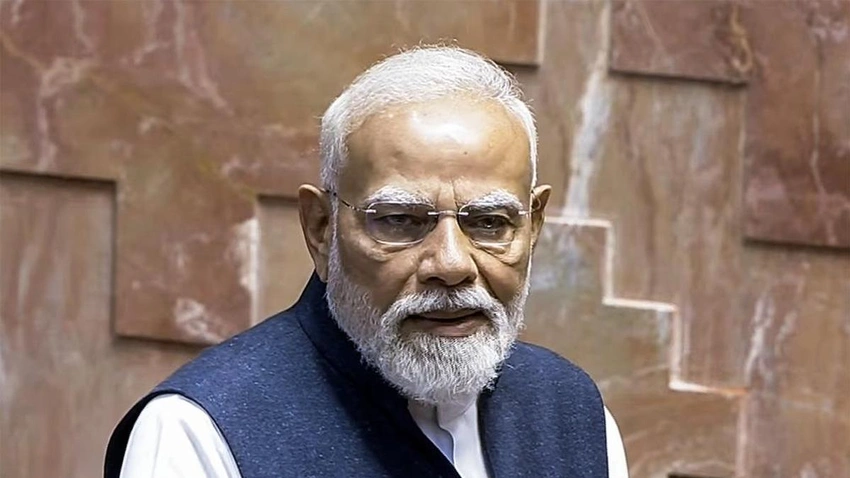
PM Modi chairs energy-security meeting as West Asia tensions mount
India reviews energy readiness amid West Asia tensions, maping short-, medium-, and long-term measures to secure fuel supplies and diversify imports.
West Asia tensions are prompting India to reassess its energy and commodity supply chains. Prime Minister Narendra Modi chaired a Cabinet Committee on Security (CCS) meeting to review the evolving crisis and to map mitigating steps across immediate and longer horizons. The government said the discussions examined the ongoing conflict’s short-, medium-, and long-term impact on the economy and on India, and outlined counter-measures to manage the crisis. The CCS emphasized a whole-of-government approach, with a Group of Ministers (GoM) and a group of secretaries to work closely across ministries and with stakeholders to implement the agreed measures.
A key takeaway was the need to diversify sources of major imports—fertilisers, chemicals, pharmaceuticals, and petrochemicals—to reduce vulnerability to any single route or supplier. Fertiliser stocks were highlighted as particularly important ahead of the upcoming Kharif season, with the government also considering alternate fertiliser sources to ensure continued availability and food security. The discussion noted constraining factors in energy supply, including the LNG sector, following disruptions in the region linked to heightened tensions.
The CCS also underscored keeping coal stocks at power plants to maintain uninterrupted electricity supply, recognizing coal as a critical component of power readiness. In parallel, six allied nations reportedly expressed willingness to assist in ensuring safe passage through the Hormuz Strait, signaling diplomatic and logistical efforts to keep energy routes open despite regional volatility.
Overall, the meeting aimed to ensure uninterrupted supply, stable logistics, and efficient distribution across the country, with sectoral groups tasked to work on concrete, time-bound actions. The government’s coordinated approach signals an intent to shield the economy from abrupt shocks while maintaining momentum on essential import channels and domestic production.
