Is Sea Moss the Secret to Eternal Glow or Just Really Expensive Algae?

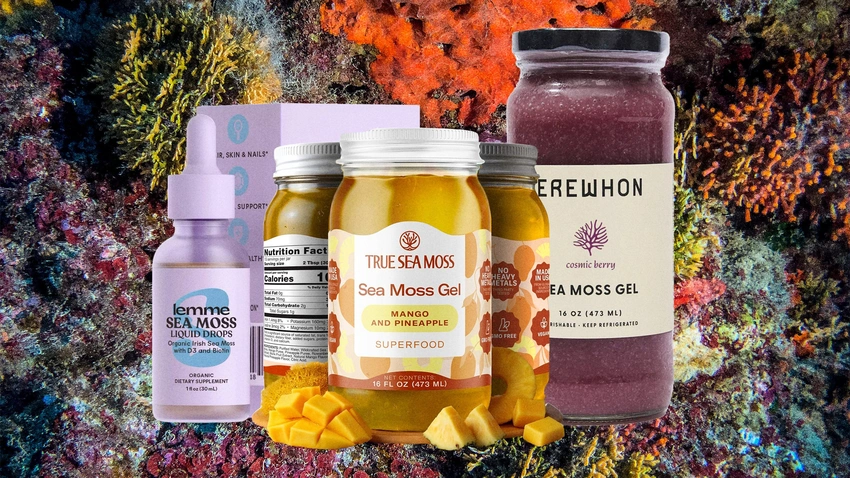
Is Sea Moss the Secret to Eternal Glow or Just Really Expensive Algae?
From celeb smoothies to viral TikToks, sea moss is everywhere. We're breaking down whether this miracle seaweed is worth the hype or if it's just another wellness fad.
The Sea Moss Craze: Miracle Algae or Just Slick Marketing?
If you have scrolled through your social media feed lately, you have probably seen someone blending a thick, translucent gel into their morning smoothie. No, it is not a DIY face mask gone wrong. It is sea moss, the latest darling of the wellness world. Celebrities and influencers are shouting from the rooftops about its power to transform hair, boost energy, and even clear up skin. But before you run out to buy a jar of seaweed goo, let us take a second to separate the science from the hype.
What exactly is the deal?
Sea moss, also known as Irish moss, is a type of red algae that grows along the rocky Atlantic coasts. It has been used for centuries in places like Ireland and the Caribbean, often as a thickening agent or a home remedy for common ailments. Today, the internet has rebranded it as a nutritional powerhouse. Proponents claim it contains 92 of the 102 minerals the human body needs. That sounds like a lot of minerals, right?
The promised benefits include: * Thicker hair and glowing skin due to its high sulfur and collagen-promoting properties. * Improved thyroid function thanks to a healthy dose of iodine. * Better digestion because it acts as a prebiotic for your gut. * Enhanced immunity through its various vitamins and antioxidants.
Is it actually a miracle?
While it is true that sea moss is nutrient-dense, the wellness industry often takes a grain of truth and turns it into a mountain of marketing. Most of these glowing health claims are based on anecdotal evidence rather than rigorous clinical trials. Yes, your favorite influencer might look amazing, but they probably also have a personal trainer, a private chef, and a high-end skincare routine that costs more than your rent.
There are also a few things to keep in mind before jumping on the bandwagon. Since sea moss absorbs minerals from its environment, it can also pick up heavy metals like lead or mercury if it is harvested in polluted waters. Furthermore, too much iodine can actually backfire and cause thyroid issues rather than fixing them.
The Verdict
If you enjoy the ritual of adding a spoonful of gel to your breakfast bowl, there is likely no harm in it. It is a great source of fiber and minerals. However, sea moss is not a magic eraser for a poor lifestyle. It is a supplement, not a cure-all. If you are looking for better health, the old-fashioned basics like sleep, hydration, and a balanced diet still reign supreme. Let us stop treating every new algae as a messiah and start looking at the bigger picture of our health.
