Possible Epstein Suicide Note Surfaces as Victims Seek Damages in Albany

Possible Epstein Suicide Note Surfaces as Victims Seek Damages in Albany
New details surface about a suspected suicide note in Jeffrey Epstein's case, allegedly left with a cellmate and now sealed in courthouse records, as victims push for punitive damages in Albany.
The Epstein case continues to unfold in unexpected ways, with new questions about whether a suicide note exists and what it might say. Reports suggest the note was left with Epstein's cellmate, Nicholas Tartaglione, and that it was discovered by an inmate weeks before Epstein was found injured in his cell. The document, if it exists, has not been made public and is reportedly locked away in a courthouse, fueling speculation about its contents and potential impact on ongoing civil actions. The lack of public access to such materials leaves lawyers, lawmakers, and victims weighing how new information could influence liability and settlements without disrupting legal processes.
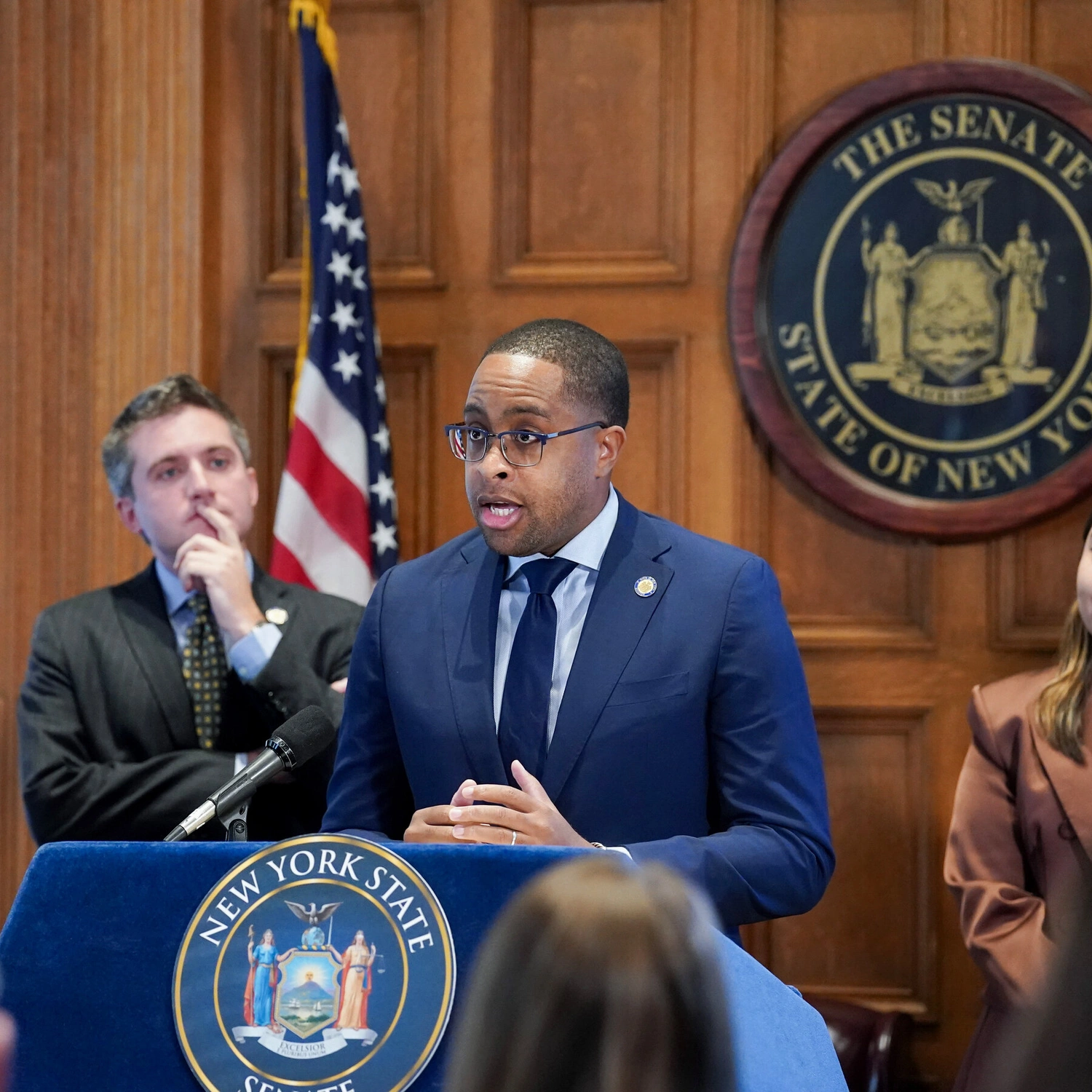
Meanwhile, the push for accountability in Epstein’s case is moving forward in a different arena. Two Epstein victims are slated to testify at the State Capitol in Albany next week in support of a bill that would enable them to seek punitive damages from his estate. The proposed legislation would give survivors an avenue to pursue additional remedies beyond compensation, potentially shifting the leverage in civil litigation tied to Epstein’s wealth and the parties involved in his networks. The Albany hearing underscores how civil and criminal threads of the Epstein case remain tightly entwined, even as key materials remain shielded from public view.
Experts say that if a suicide note exists and could be disclosed, it might influence civil claims by shaping narratives around responsibility, intent, and the scope of the estate’s liability. Yet officials emphasize that court rules and privacy protections govern when and how such documents can be accessed, especially in matters touching sensitive testimony and private individuals. The ongoing tension between transparency and legal safeguards fuels debate about victims’ rights and the public’s right to know more about the circumstances surrounding Epstein’s final days.
As Albany prepares for the upcoming hearing, observers will be watching not only for potential revelations but also for how lawmakers respond to survivors’ requests for stronger remedies. Any disclosures, should they occur, could alter the momentum of civil cases and potentially influence settlements with other parties linked to Epstein’s estate. The evolving narrative continues to keep this high-profile case in the public eye, reinforcing the broader conversation about accountability and justice for those affected by Epstein’s actions.
