VC or Bootstrap: Is 'Big Tech' Money Still the Goal?


VC or Bootstrap: Is 'Big Tech' Money Still the Goal?
In today's volatile market, founders are rethinking traditional funding paths. Is venture capital still the holy grail, or is bootstrapping the smarter, more resilient choice for startups?
The startup world has long chased the siren song of venture capital. Billions poured into promising ventures, the dream of becoming the next 'unicorn' fueled by 'Big Tech' money, it was the ultimate validation. But in a market now characterized by inflation, rising interest rates, and geopolitical instability, that once-clear path is blurring.
Is securing large VC rounds still the ultimate goal, or are founders finding strength in self-reliance?
The Shifting Tides of Venture Capital
For years, VC funding was synonymous with rapid growth and market domination. It provided not just capital, but also mentorship, networks, and credibility. Founders could afford to prioritize expansion over immediate profitability, aiming for massive scale before worrying about the bottom line.
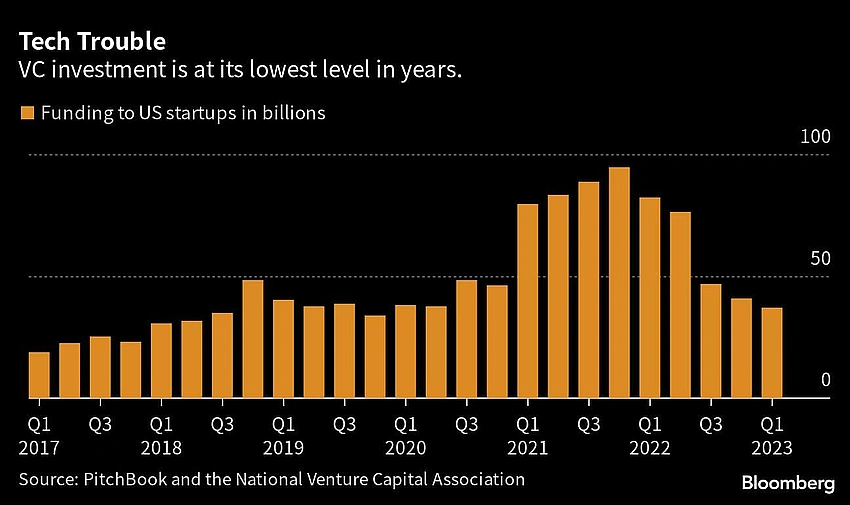
However, the golden age of easy money has cooled considerably.
VCs are now scrutinizing burn rates, demanding clearer paths to profitability, and favoring sustainable growth over hyper-growth at any cost. This shift means the 'Big Tech' money comes with tighter strings and higher expectations than before, especially in a downturn.
The Resurgence of the Bootstrapped Ethos
Suddenly, bootstrapping, building a company with minimal external capital, relying on self-funding or early revenue, looks incredibly attractive. It forces founders to be lean, customer-focused, and revenue-driven from day one. This resilience is a powerful asset when market conditions are unpredictable.
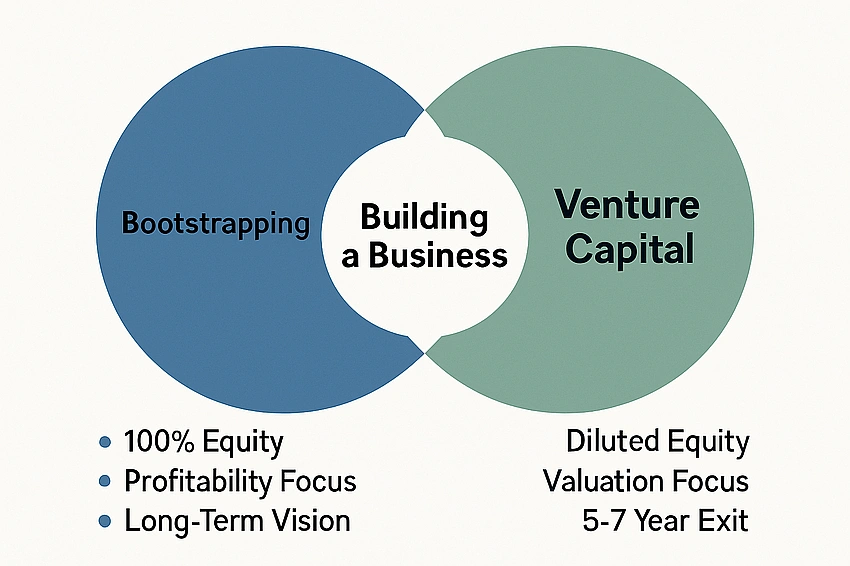
Bootstrapping means retaining full ownership and control, making decisions aligned with your long-term vision, not a fund's exit timeline. It cultivates a different kind of growth: slower, perhaps, but often more stable and profitable. As one founder put it, “Bootstrapping teaches you to run a business, not just raise money.”
The Hybrid Advantage
It's not always an either/or scenario. Many founders are now exploring hybrid approaches. This might involve bootstrapping to product-market fit, proving a sustainable business model, and then seeking strategic, smaller rounds of VC money from investors who align with their mission and aren't demanding a 10x return in three years.
This measured approach allows founders to leverage the benefits of external capital, scaling operations, hiring key talent, expanding marketing efforts, without sacrificing their foundational independence or getting trapped in a relentless growth-at-all-costs cycle that might not be suitable for their business model or the current economic climate.
Which Path Makes Sense for You?
Your funding strategy must align with your business model, personal goals, and the current market realities. If your venture requires massive infrastructure or rapid user acquisition to achieve network effects, VC might still be necessary. But if you can build a viable product with less upfront capital and generate revenue early, bootstrapping offers unparalleled freedom and resilience.
Ultimately, the goal isn't just to raise money; it's to build a sustainable, impactful business. In a volatile market, perhaps the real 'big tech' lesson isn't about how much money you can raise, but how effectively you can build value, stay profitable, and adapt to change.
It's about empowering founders to choose the path that best serves their vision, not just the prevailing trend.


Login to comment.
No thots yet. Be the first to share your thoughts!