Nepal 2026 Elections: Gen Z Pushes for Change

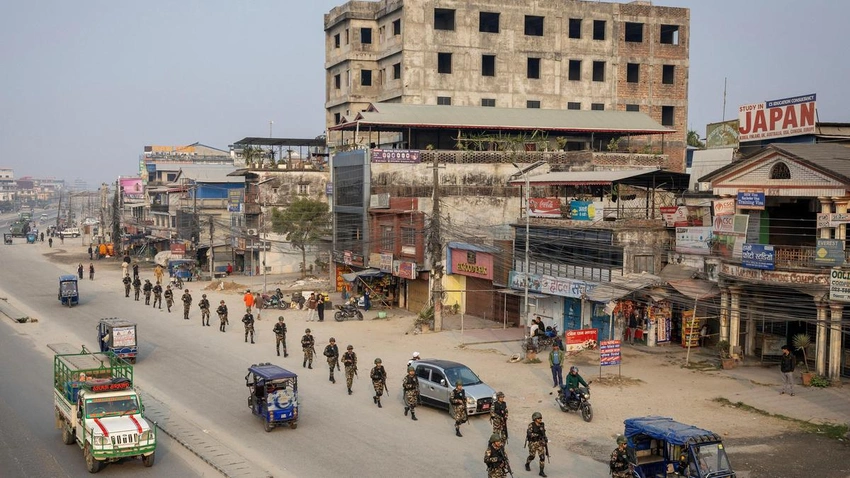
Nepal 2026 Elections: Gen Z Pushes for Change
Nepal heads to a landmark general election amid a youth-led push for accountability and reform, reshaping the political map after protests and corruption concerns.
Nepal will vote on March 5, 2026, to elect the 275-member House of Representatives, in a landmark general election that many see as a turning point for the country’s political future. About 19 million people are eligible to vote, including roughly one million newly registered voters, in a nation of around 30 million people. This surge in youth participation comes as the Gen Z generation seeks accountability, clean governance, and economic reform after years of perceived misgovernance and patronage politics.
The election follows a youth-led uprising that brought the country to a critical juncture, with protests on September 8 last year resulting in 77 deaths, including 19 people killed by police on the first day. The vote is widely viewed as a corrective measure that could redraw Nepal’s political map and give voice to demands for systemic changes across the political establishment.
Voters will elect the 275-member House of Representatives, Nepal’s lower chamber of parliament. The body comprises 165 members elected through First-Past-The-Post (FPTP) and 110 through Proportional Representation (PR). Voters cast two ballots: one for an individual candidate under FPTP and another for a party under PR. The PR seats are allocated using the Sainte-Laguë method, and a party would need at least 138 seats to form a government on its own.
The stakes are high for both established parties and new entrants, as the election is seen as a chance to break the revolving-door politics that has long defined Nepal’s governance. Supporters argue the ballot offers a path to accountability and broad-based reform, while critics warn that coalition politics could dilute strong mandates and delay decisive action on unemployment and the economy.
If no party reaches the simple majority, coalitions will shape the government, potentially leading to a period of negotiation and compromise. Regardless of the outcome, the election is framed as a watershed moment in which Nepal’s youth could redefine political priorities and enforce greater transparency and inclusive growth.

Login to comment.
No thots yet. Be the first to share your thoughts!