Scrobble Showdown: Bots Out, BTS Army Mad – Who's Really Charting?

Scrobble Showdown: Bots Out, BTS Army Mad – Who's Really Charting?
Last.fm just booted bots, sparking fury in the BTS Army! Is true fan power or automated 'scrobbles' really driving the charts? Dive into the music industry’s latest controversy.
The Real Score: Bots Out, BTS Army Reacts – What Drives Music Charts?
The digital music landscape just got a lot more interesting, and a single move from a long-standing platform is forcing us to ask: Is it pure fan fervor or automated armies pushing artists to the top? I’m talking about Last.fm’s recent decision to ditch the bots, a move that has sent shockwaves, particularly through the highly organized BTS Army.
For almost two decades, Last.fm operated under the corporate wings of giants like CBS and later the broader Paramount Skydance umbrella. This platform became the go-to for music lovers wanting to track every single “scrobble” of their listening history. Last month, as many, including Endgadget, reported, Last.fm finally broke free, becoming an independent entity. The promise was simple: the service would continue as always, letting users share their listening journey with the world. But there was one significant change that quickly became the center of a raging debate: no more bots.
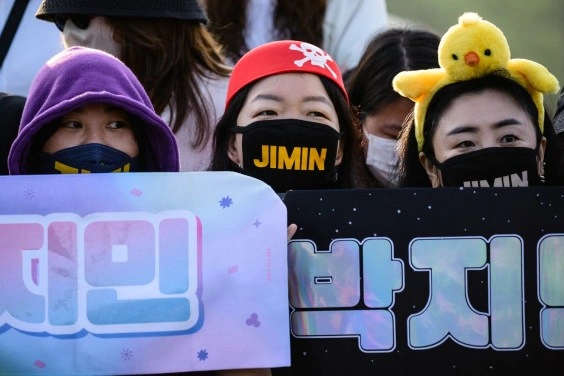
Now, you might think, ‘Great, clean up the data!’ And for many, that’s exactly what it is. However, for a specific, incredibly powerful fan community – the BTS Army – this decision is anything but simple. The outrage is palpable. Why? Because the perception, and perhaps the reality, is that these bots were part of their strategy to amplify their favorite group’s presence on platforms, whether for chart domination, fan engagement, or simply a show of overwhelming support.
This isn’t just about a few digital records being deleted. It’s about the integrity of music metrics. When we look at global charts, streaming numbers, and even personal listening trends, how much of that is organic, driven by millions of individuals genuinely enjoying the music, and how much is artificially inflated? The Last.fm saga with the BTS Army brings this question into sharp relief.
Think about the implications. If a platform that has been a cornerstone of music data for twenty years cleans its house of automated activity, what does that say about the data we’ve been consuming? Are we underestimating the real, ground-up power of fanbases, or have we been overestimating it, unknowingly factoring in synthetic engagement?
The music industry thrives on buzz, on momentum, and undeniably, on chart performance. Artists and labels pour resources into understanding and leveraging these metrics. If a significant portion of what appears to be monumental fan activity is, in fact, orchestrated by automated scripts, it fundamentally changes the game. It warps our understanding of true popularity, makes genuine breakthroughs harder to spot, and potentially misdirects investment and attention.
The shift by Last.fm provides a rare, transparent glimpse into the behind-the-scenes machinations of fandom in the digital age. It’s a wake-up call for platforms to re-evaluate their data integrity, and for fans to reflect on the difference between genuine, passionate support and the manipulation of metrics. The BTS Army’s strong reaction, though understandable from a strategic fan perspective, opens up a crucial dialogue: Are we celebrating true fan fervor, or just clever bot programming? This question isn’t going away anytime soon, and the answers will redefine how we measure success in music.
