EU's Under-13 Social Media Ban: Protection or Digital Overreach?

EU's Under-13 Social Media Ban: Protection or Digital Overreach?
The EU is proposing a ban on social media for under-13s and restricted access for 13-15 year olds. Is this a necessary shield against Big Tech or a step too far in digital regulation?
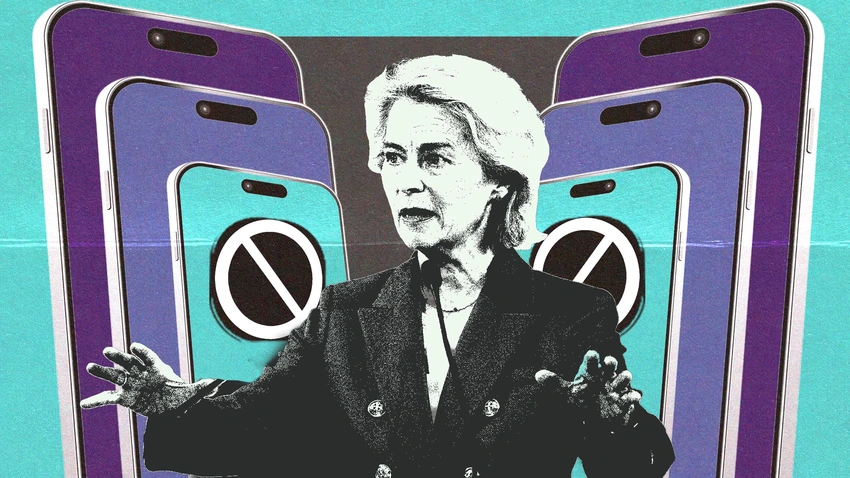
The European Union is making a bold move, proposing a complete ban on social media for children under 13 across its member states. For those aged 13 to 15, personal accounts will be out, replaced by mini accounts set up and supervised by parents, offering limited features and a mere one hour of daily access.
On top of this, platforms will face 'safe design' obligations for users up to 18, with further action on addictive features promised in the Digital Fairness Act.
This isn't just about limiting screen time; it's a direct challenge to Big Tech's pervasive influence. Ursula von der Leyen, President of the Commission, didn't mince words, describing the platforms’ impact as the “capture [of] their attention, their focus, their minds.” She highlighted the severe consequences of unchecked social media use, citing sleep loss, anxiety, self-harm, and even deaths among European children. “Europe has the power to act; it is us who decide the rules, not Big Tech,” she asserted, pushing back against the perception of Big Tech’s unassailable power.
Undoubtedly, the intent behind the EU Kids Act is commendable. Protecting children from potentially harmful content, addictive design, and even the creation of AI-generated sexualized images using their photos is a moral imperative. Many will see this as a necessary intervention, a way to reclaim childhoods from the relentless algorithms.
However, the path to implementation is fraught with challenges. The very notion of 'banning' access raises immediate questions about practical enforcement. As Joanna Conway, a digital regulation partner, points out, “A key issue is how to carry out the age checks and it's not straightforward.” Other nations, like Australia, have seen their under-16 bans circumvented with ease.
How will the EU make age verification accurate without infringing on privacy rights or harming user experience?
Then there's the thorny issue of parental oversight. While designed to protect, the proposed system for 13-15 year olds, which mandates parental supervision on limited accounts, could be problematic.
Arnav Joshi, a technology lawyer, warns that
anything that has deep dive, God-mode style parental access can have a bit of a chilling effect on how children actually use that service and could have issues in terms of their own right to privacy .
This introduces a tension between safeguarding children and respecting their burgeoning autonomy and privacy rights, even at a young age. While the EU's tiered approach is lauded for its proportionality compared to blanket bans elsewhere, it still demands a delicate balance.
Where do we draw the line?
While the motivation is clear, to create a safer digital environment for the youngest users, the means spark a vital debate. Is this a crucial and overdue protection for a vulnerable demographic, or does it risk becoming an overreach that complicates privacy, stifles digital literacy development, and proves incredibly difficult to enforce?
The EU has thrown down the gauntlet, but the real test will be in how these ambitious plans navigate the complexities of technology, privacy, and human behavior.

Login to comment.
No thots yet. Be the first to share your thoughts!