Why Project Freedom Failed to Secure Free Navigation in Hormuz

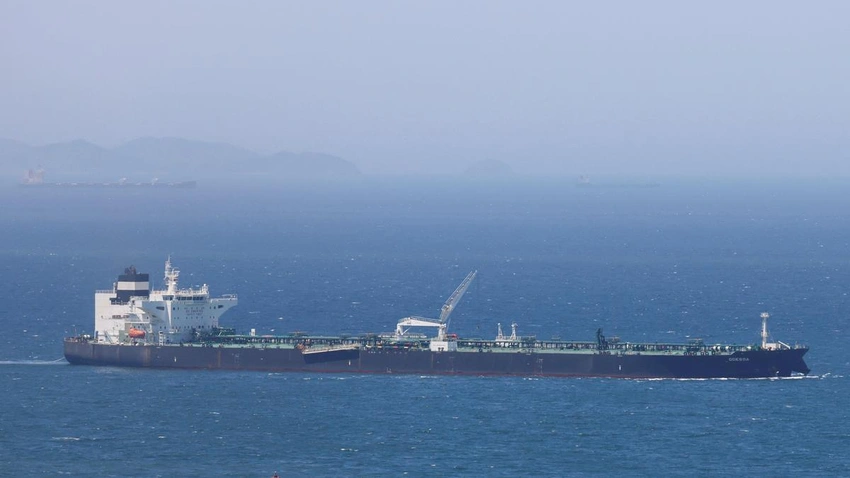
Why Project Freedom Failed to Secure Free Navigation in Hormuz
The US paused Project Freedom after a day, citing progress with Iran, leaving Hormuz shipping at risk and industry wary of what comes next.
The United States announced Project Freedom on May 4 with the aim of ending the Iranian blockade of the Strait of Hormuz and ensuring safe passage for merchant traffic. The plan appeared to get off the ground but was suspended the very next day as merchant ships and U.S. Navy vessels came under attack. Officials said the pause was due to progress in negotiations with Iran, yet many observers noted the obvious risk of escalation and questioned whether the plan could succeed without a broader political breakthrough.
Iran warned that it could escalate if Washington pressed to claim stakes in the strait or to deny Tehran a dominant role in the Persian Gulf. The episode underlines a broader pattern: diplomacy and military posture fighting for control of a chokepoint that shapes global energy markets. It’s a stark reminder of how different the situation is from three decades ago, when the United States could intervene more directly during the Tanker Wars to keep ships moving.
As the operation rolled out, the United States said two U.S.-flagged merchant ships had crossed the strait freely, a signal intended to reassure shippers. Iran had previously indicated that only the area near its coast would be free of mines, with a broad danger zone stretching toward Oman.
Industry reaction was cautious. Major carriers, including Hapag-Lloyd, said their risk assessments stayed unchanged and that Hormuz remains closed for now. The plan reportedly did not call for escorting ships individually, unlike the era of Earnest Will in the 1980s, when the U.S.-led effort used a convoy approach to deter Iranian attempts to seize control of the strait.
Media talk in some circles has floated a revival option—'Project Freedom plus'—if a new Iranian agreement falters. But for now, opponents point to continued blockade and ongoing tensions, while shipping executives press for more guarantees before re-opening routes.
In short, the episode exposes the fragility of a critical sea lane and the difficulty of reconciling diplomacy with the harsh realities of naval power, sanctions, and economic stakes in the Persian Gulf.
