Remembering Dame Jenni Murray, Broadcasting Icon of Woman’s Hour

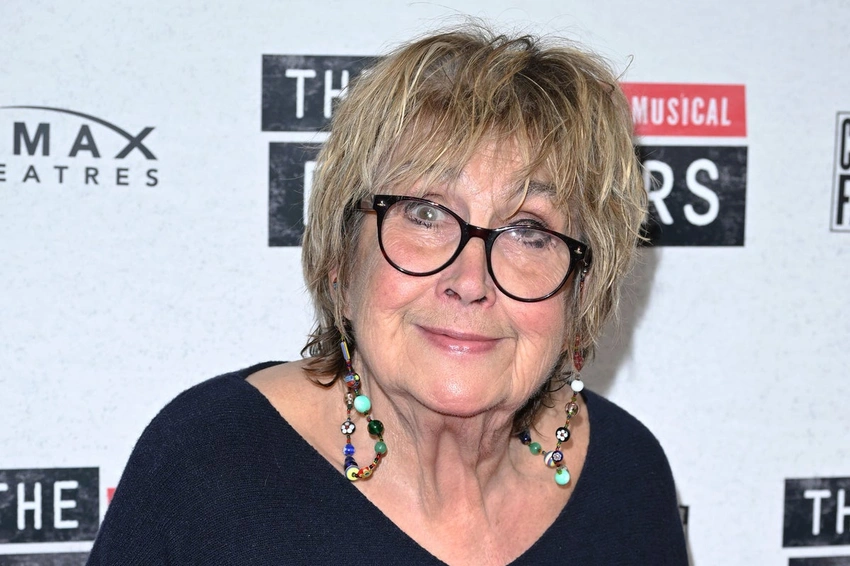
Remembering Dame Jenni Murray, Broadcasting Icon of Woman’s Hour
Dame Jenni Murray, longest-serving host of Woman’s Hour, dies at 75. Tributes pour in for a pioneering broadcaster and champion of women.
Jenni Murray, the long-serving host of BBC Radio 4’s Woman’s Hour, has died aged 75, leaving a lasting imprint on British broadcasting. Murray took the helm of Woman’s Hour in 1987 and remained its most enduring presenter until stepping away in 2020, building a warm, inquisitive voice that guided countless conversations on women’s lives and public life.
Over more than three decades, Murray interviewed a wide range of influential figures—from world leaders to authors and actors. Her conversations with Margaret Thatcher and Hillary Clinton were among many moments that highlighted the programme’s reach and relevance. Alongside high-profile interviews, she championed everyday topics and the experiences of everyday listeners, helping to normalize discussions about work, family, health, and equality. In 2006 she disclosed on air that she had been diagnosed with breast cancer; she later returned to the programme after treatment, a testament to her resilience and dedication to the show.
Her contribution to broadcasting was recognized with a damehood in 2011 and multiple Sony Awards, as well as a place in the Radio Academy Hall of Fame. Colleagues praised her warmth, intelligence and courage, noting how she created a safe space for listeners and a platform where women could share their stories with confidence. Tim Davie, the BBC’s outgoing director general, described Murray as a broadcasting icon, while Mohit Bakaya, the controller of Radio 4, lauded her as formidable, warm, and beloved by audiences.
Born in Barnsley, Murray’s career began in local radio in Bristol before moving to national programmes such as BBC Two’s Newsnight and Radio 4’s Today, culminating in her legendary tenure on Woman’s Hour. Her work helped shape a generation of listeners and set a standard for thoughtful, issue-driven broadcasting that balanced rigor with empathy.
As the public remembers Murray, her legacy endures in the many conversations she started, the leaders she interviewed, and the lives she touched. Her story remains an inspiration to aspiring broadcasters and a reminder of the power of radio to connect, inform, and uplift.
