LA News Helicopter Crash Kills Three, Highlights Risks of 'Eye-in-the-Sky' Journalism

LA News Helicopter Crash Kills Three, Highlights Risks of 'Eye-in-the-Sky' Journalism
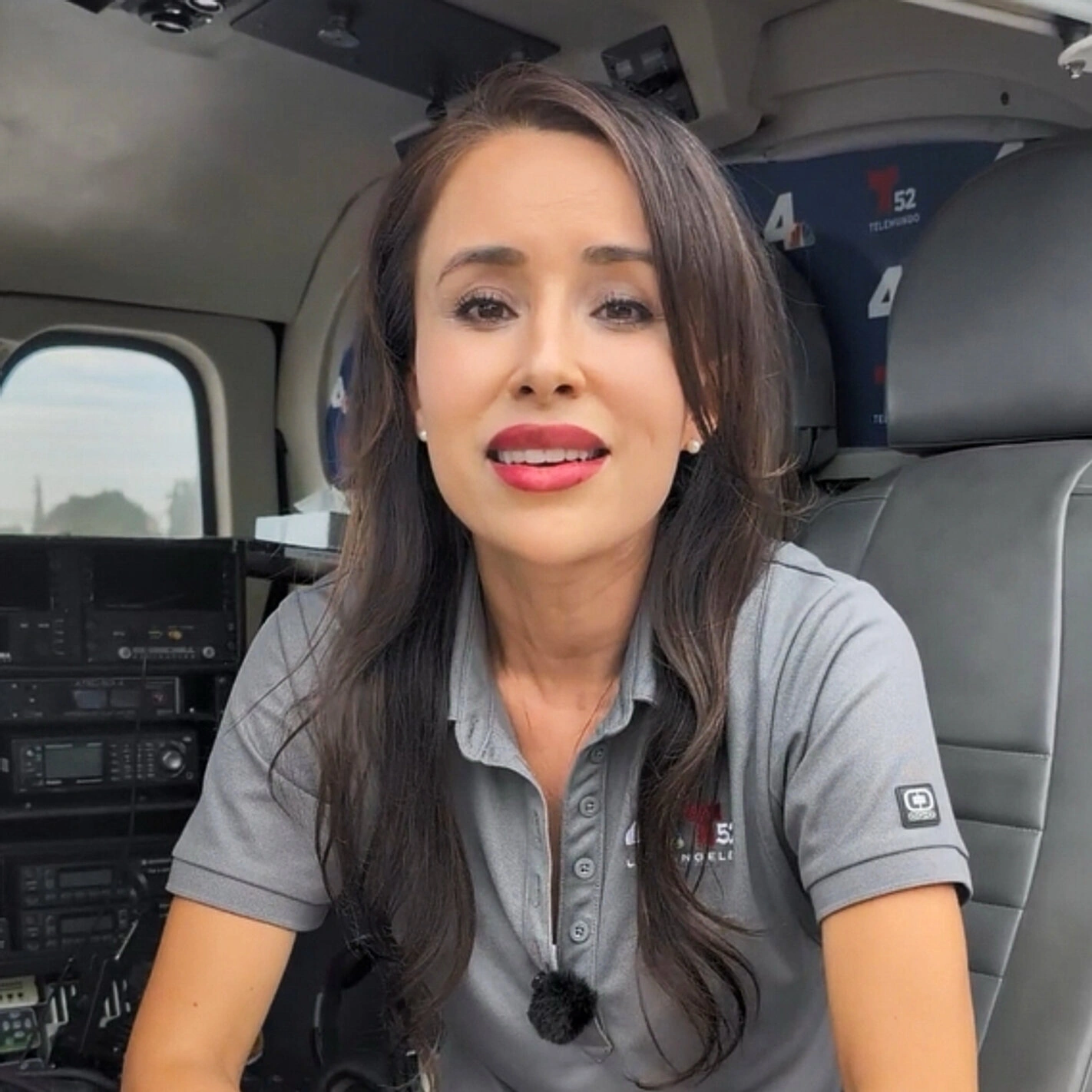
A devastating news helicopter crash in Los Angeles tragically claimed three lives, including veteran aerial journalist Eliana Moreno. The incident highlights the inherent dangers in 'eye-in-the-sky' reporting, a practice
Los Angeles, the birthplace and arguably the epicenter of 'eye-in-the-sky' news reporting, was recently shaken by a tragic helicopter crash that claimed three lives. On Tuesday, a news helicopter covering a collision between an SUV and a city bus went down, bursting into flames and killing two people aboard and one pedestrian on the ground.
The victims were identified as NBC4 Los Angeles aerial journalist Eliana Moreno, pilot George Marciniw, and pedestrian Edy Gutierrez Mejia. Moreno, affectionately known as "Eli in the Heli," had been an aerial journalist since 2010. Her dedication to the demanding craft, which requires quick thinking, editing, shooting video, and intimate city knowledge, was evident in her social media posts.
Just days before the tragedy, she posted about her long hours, stating, "I can't complain though because I have the best job in the world." This horrifying incident adds to a somber statistic: at least eight fatal news helicopter crashes in the U.S. since 2000, resulting in 16 deaths. The crash underscores the significant risks faced by those who bring news from above, a practice that has been integral to Los Angeles journalism for nearly seven decades.
The concept of news helicopters was born in Los Angeles out of a desire to beat the competition.
In 1958, KTLA-TV chief engineer John Silva invented the "Telecopter." Frustrated by traffic and the race to be the first on the scene, Silva conceived of a news mobile unit in a helicopter to bypass gridlock and cover stories faster than rivals.
The project was top secret, requiring Silva to ingeniously reduce 2,000 pounds of camera equipment to under 400 pounds and figure out how to beam live footage from the air to ground receivers. The Telecopter debuted on July 24, 1958, preempting regular programming to broadcast live views from above the city. It was an instant success, captivating audiences and ushering in a new era of big money for local television stations through advertising.
The invention earned Silva two Emmy awards and fundamentally broadened the scope of television news.
From tracking wildfires and mudslides to the iconic O.J.
Simpson chase, news helicopters have provided invaluable public service, advising millions on how to stay safe and delivering real-time coverage of major events.
However, the allure of live aerial reporting has always been intertwined with significant dangers. In 1977, a KNBC news helicopter crashed due to fuel exhaustion after covering a wildfire in Santa Barbara, an early reminder of the inherent hazards.
The recent crash serves as a stark reminder of the brave individuals like Eliana Moreno and George Marciniw who put their lives on the line to bring crucial information to the public, continuing a legacy of innovation and risk that began over sixty years ago in the skies above Los Angeles.
#LANewsCrash #HelicopterSafety #JournalismRisks #EyeInTheSky

Login to comment.
No thots yet. Be the first to share your thoughts!