Hidden Horrors: Why Spielberg’s New Poster is a Masterclass in Marketing Psychology

Hidden Horrors: Why Spielberg’s New Poster is a Masterclass in Marketing Psychology
Hidden Horrors: Why Spielberg’s New Poster is a Masterclass in Marketing Psychology
Ever noticed a tiny detail that totally changed your mood? Spielberg’s Disclosure Day poster proves that what you almost miss is the most important part of movie marketing.
The Art of the Hidden Hook
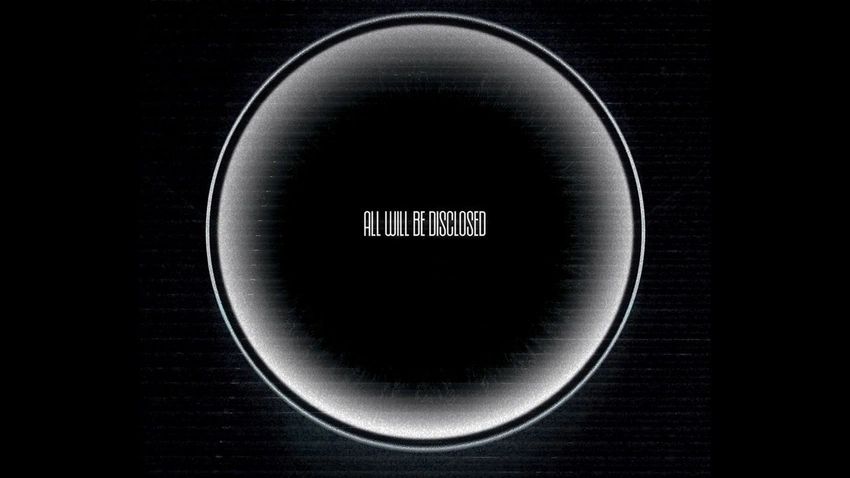
In the age of endless scrolling, a movie poster has about half a second to grab your attention. Most studios play it safe with big faces and predictable color palettes. But every so often, a design comes along that plays a different game. Take the recent buzz around Steven Spielberg's Disclosure Day poster. At first glance, it feels like a standard thriller setup. It is clean, professional, and perhaps even a bit underwhelming.
Then you look closer.
There is a tiny, unsettling detail hidden in the composition that completely changes the vibe. Suddenly, a corporate-looking image feels like a horror story waiting to happen. This is not just clever art; it is a masterclass in marketing psychology. By burying something creepy in an otherwise mundane image, the designers are forcing the audience to engage rather than just consume.
Why Subtlety Wins
Modern audiences are savvy. We have seen every explosion and every dramatic pose a thousand times. When a poster hides a secret, it turns the viewer into a detective. This creates a sense of reward. When you finally spot that weird shadow or the out-of-place reflection, you feel like you have cracked a code.
This shift in design says a lot about current audience expectations:
- We want depth: We are tired of surface-level marketing that tells us exactly what to think.
- We want a mood: A poster should tell us how a movie feels, not just what happens in it.
- We want to share: Hidden details are perfect for social media bait.
The Mood is the Message
Design as mood is about setting the emotional thermostat before a single trailer even drops. Spielberg has always been a master of wonder, but he also knows how to lean into the uncanny. By using a creepy detail to disrupt a clean design, the marketing team ensures that the film stays in your head. It creates a lingering sense of unease that a loud, busy poster never could.
In the end, the best marketing does not scream at you. It whispers something strange and waits for you to notice. Whether it is a ghost in the background or a subtle distortion of reality, these details prove that in design, what you almost miss is often the most important part.
