Trump-Saudi Nuclear Deal Sparks Alarm Over Missing Safeguards!
Trump-Saudi Nuclear Deal Sparks Alarm Over Missing Safeguards!
Breaking: US signs controversial nuclear pact with Saudi Arabia, omitting key safeguards against weapons development. Is this a nuclear proliferation risk? Dive into the details!
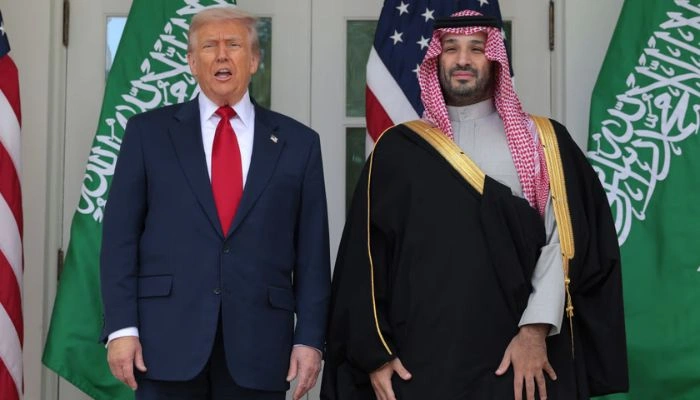
The Trump administration has finalized a controversial 30-year nuclear agreement with Saudi Arabia, a deal critics warn could significantly increase the risk of nuclear weapons proliferation. This "123 Agreement," signed by Energy Secretary Chris Wright and Saudi Energy Minister Prince Abdulaziz bin Salman, aims to pave the way for U.S. companies to assist Saudi Arabia in developing a multi-billion dollar civilian nuclear energy program.
However, what makes this pact particularly contentious is its deliberate omission of crucial safeguards that have been standard in previous U.S. nuclear cooperation agreements. Foremost among these missing provisions is the "Gold Standard," which typically prohibits signatory nations from enriching uranium or reprocessing spent nuclear fuel. These processes are dual-use technologies, essential for producing fuel for civilian reactors but also critical for creating fissile material for nuclear weapons.
Adding to the concerns, the agreement also bypasses the "Additional Protocol." This international safeguard grants the International Atomic Energy Agency (IAEA) enhanced authority to conduct inspections, including access to undeclared nuclear sites. Without this protocol, the international community's ability to monitor Saudi Arabia's nuclear activities for military deviations is severely curtailed.
While the agreement doesn't mandate the transfer of U.S. enrichment technology, it establishes a legal framework that could allow cooperation on parts of the nuclear fuel cycle, including the potential for Saudi Arabia to pursue its own uranium enrichment capabilities. This possibility has raised alarms among non-proliferation experts and lawmakers.
The administration, however, defends the deal, arguing that it will unlock billions of dollars for the U.S. nuclear industry and strengthen strategic ties with Saudi Arabia, particularly in the context of ongoing tensions with Iran. The agreement is anticipated to be submitted to Congress for review in the coming days, where it is expected to face considerable scrutiny and debate.
