AAP eyes Ashok Mittal to replace Chadha as Rajya Sabha deputy leader

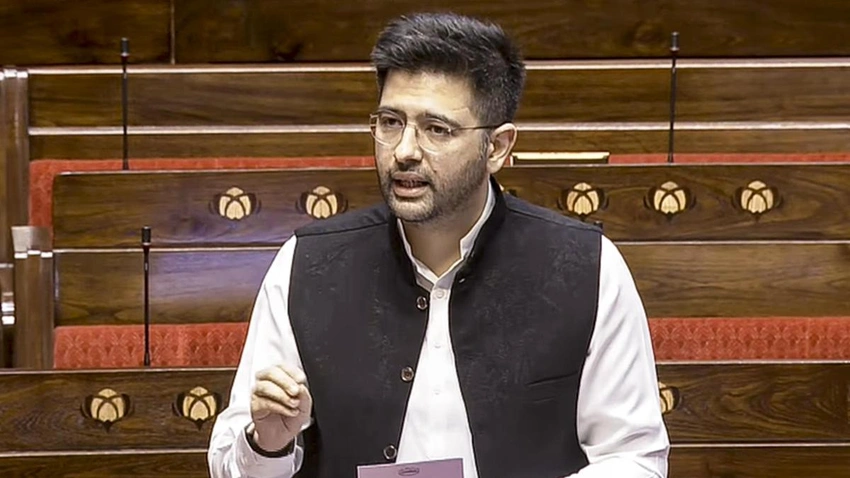
AAP eyes Ashok Mittal to replace Chadha as Rajya Sabha deputy leader
The AAP moves to replace Raghav Chadha with Ashok Mittal as deputy leader in Rajya Sabha, signalling a major leadership shift within the party.
The Aam Aadmi Party has requested the Rajya Sabha secretariat to remove Raghav Chadha as the party's deputy leader in the House and cease allocating him speaking time from AAP's quota. Sources indicate that Rajya Sabha MP Ashok Kumar Mittal, founder of Lovely Professional University, is being considered as his replacement. Such a shift would mark a significant reallocation of leadership duties within the party's parliamentary presence and could recalibrate how AAP engages on the floor of the upper house. Mittal's entry would bring a high-profile figure with a strong educational background into a central negotiating space where party spokespeople, policy advocates, and strategists clash over national priorities. If confirmed, the change could influence the cadence of debates, question sessions, and the party's overall parliamentary messaging. The move, while still pending formal approval, points to an ongoing effort by AAP to refine its leadership lineup in Rajya Sabha as it navigates complex policy issues and cross-party negotiations. In Parliament, where every speaking slot and ideological stance matters, such a transition could reshape how AAP presents its case on education, governance, and reform — topics where Mittal’s university leadership experience may inform the party's proposals and outreach. The Rajya Sabha currently houses 10 AAP members, including seven from Punjab and three from Delhi, underscoring the party's diverse regional footprint and the broader implications of any leadership reshuffle for its parliamentary strategy. As discussions advance, observers will be watching closely for official confirmation, timing, and the formal process that will accompany any potential replacement, along with how Chadha's public role within the party evolves amid these internal changes. The development illustrates how party leadership dynamics can shift quickly in a high-stakes political environment, where strategy, policy, and public perception are tightly interwoven.
