Avalanche Deaths in Sierra Nevada Spark Backcountry Safety Debate

Avalanche Deaths in Sierra Nevada Spark Backcountry Safety Debate
Eight skiers died in California's Sierra Nevada, prompting questions about safety, liability, and how climate change may be reshaping avalanche risk.
Eight skiers have died in an avalanche in California's Sierra Nevada this season, with one more skier unaccounted for in Nevada County as rescuers press on through harsh winter conditions. The losses have left mountain communities and backcountry enthusiasts grappling with how such events happen and who should bear responsibility for safety in a landscape where risk is elevated by weather and terrain.
In California, backcountry skiing operates in a patchwork of guidelines and expectations. Many in the sport accept a certain level of personal risk, but professionals who guide clients through alpine terrain argue they have a duty to assess terrain, tailor routes to conditions, and provide safety briefings. With limited statewide laws governing the activity, the debate over responsibility and best practices has gained urgency as fatalities mount.
Scientists and forecasters point to climate-influenced instability in snowpacks. Some studies indicate that warmer conditions can produce heavier, wetter snowfall, even as the number of snowy days declines. This pattern can create fresh layers that fail to bond with old snow, forming unstable slabs that trigger avalanches with little warning. The Sierra Nevada incidents echo similar risk patterns observed elsewhere, where abrupt shifts from calm to severe winter weather intensify avalanche danger even during drought-to-snow transitions.
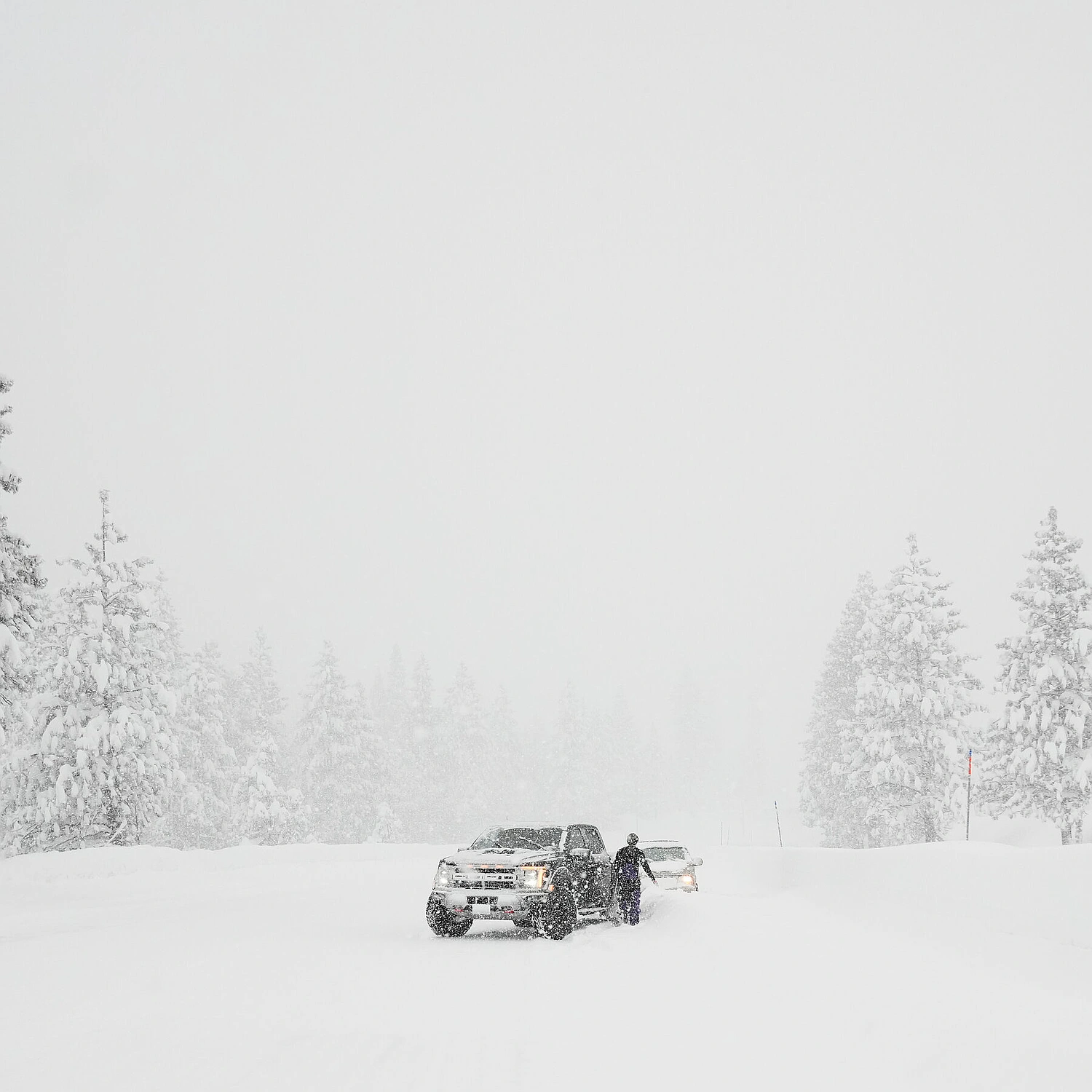
Rescue teams have faced blizzard conditions and treacherous slopes while conducting searches, underscoring how quickly conditions can deteriorate and how difficult it is to recover missing climbers in the backcountry. The events have intensified calls for clearer safety standards, improved forecasting, and broader education for travelers who venture into high-risk terrain. In the broader context, Alpine regions in Europe have faced comparable challenges this season, reinforcing the perception of a global trend toward sharper, less predictable avalanche risk amid changing climate patterns.
For skiers, the takeaway is ongoing vigilance: heed avalanche forecasts, travel with trained guides when possible, carry proper safety gear, and be prepared for rapid shifts in conditions. As winters continue to behave erratically in a warming world, a cautious, well-informed approach to backcountry travel remains essential.
